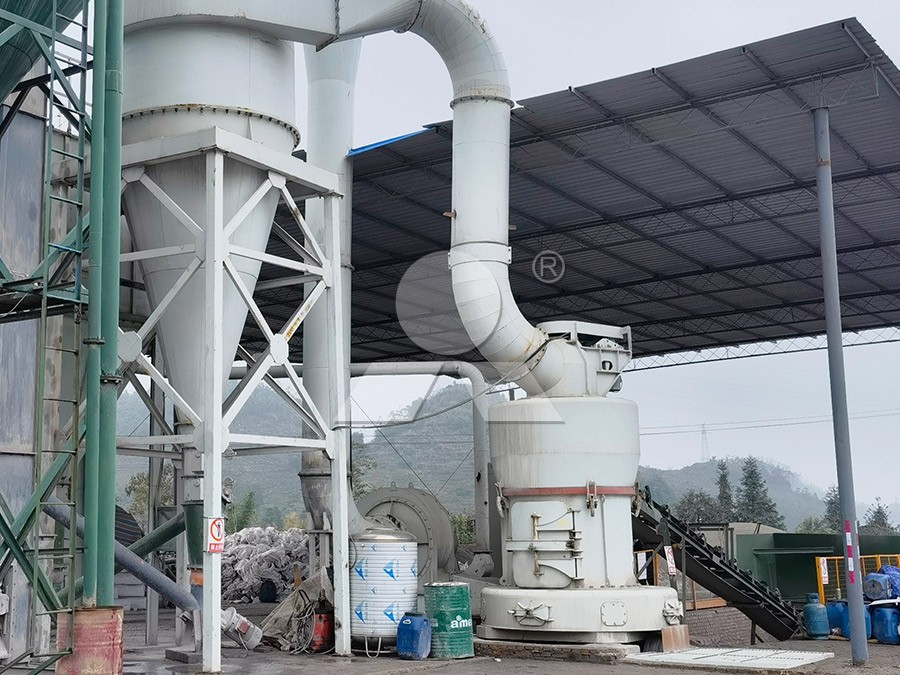
Current Development Status of Mica Powder Production Technology
We provide a wide range of mills — including Raymond mill, trapezoidal mill, vertical mill, ultrafine mill, and ball mill, obtained ISO9001 international quality certification, EU CE certification, and Customs Union CU-TR certification. Suitable for processing minerals such as limestone, phosphate, quicklime, kaolin, talc, barite, bentonite, calcium carbonate, dolomite, coal, gypsum, clay, carbon black, slag, cement raw materials, cement clinker, and more.
The discharge range of these mills can be adjusted to meet specific processing needs, typically from 80-400 mesh, 600-3250 mesh, and can achieve the finest particle size of up to 6000 mesh(D50).
If you are looking for a reliable grinding solution to turn stone or minerals into fine powder, please feel free to contact our online customer service.
Current Development Status of Mica Powder Production Technology
The production of high-quality mica powder is a critical process for numerous industries, including cosmetics, paints, plastics, and construction materials. The technological advancements in grinding and milling equipment have significantly enhanced the efficiency, fineness, and environmental friendliness of mica powder production. This article explores the current state of this technology and highlights key innovations.
Technological Evolution in Grinding Systems
Traditional grinding methods, such as ball mills and Raymond mills, have long been the workhorses of mineral processing. While effective for coarse to medium grinding, these systems often struggle with energy efficiency, heat generation, and achieving consistent ultra-fine finishes below 10 microns. The industry’s shift towards higher-value applications has necessitated the development of more advanced, specialized milling technology.
Modern systems now integrate crushing, drying, grinding, classifying, and conveying into a single, streamlined process. This not only reduces the plant’s footprint but also minimizes energy loss and operational complexity. A pivotal development has been the move towards vertical mill designs, which utilize gravity and centrifugal force for more efficient grinding with lower energy consumption compared to horizontal ball mills.
Key Advancements Driving the Industry
Several core technological improvements are defining the current generation of milling equipment:
- Precision Particle Size Control: Advanced cage-type or turbine powder selectors allow for precise calibration of final product fineness, often adjustable between 325 to 2500 meshes, to meet specific application requirements.
- Energy Efficiency: New roller and ring grinding curves, combined with optimized mechanical structures, have slashed energy consumption by 30% to 50% compared to previous generation mills.
- Environmental Compliance: Integrated pulse dust collectors and silencers ensure that operations meet stringent international environmental standards, containing dust and reducing noise pollution effectively.
- Durability & Maintenance: Innovations like external lubrication systems, reversible roller structures, and the elimination of internal screws and bearings in the grinding chamber have drastically reduced maintenance downtime and increased machine longevity.
Spotlight on Advanced Equipment: The MW Ultrafine Grinding Mill
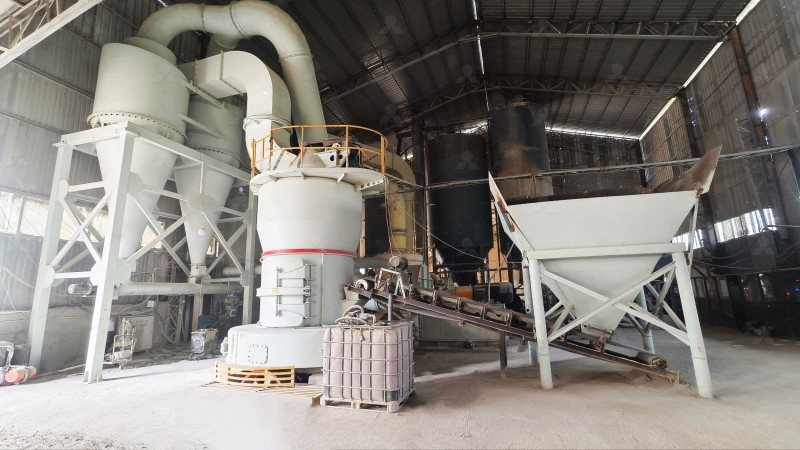
For operations demanding the highest level of fineness and consistency, the MW Ultrafine Grinding Mill represents a peak in current technology. This machine is specifically engineered for customers who need to make ultra-fine powder from minerals like mica. It handles an input size of 0-20 mm and offers a capacity range of 0.5-25 tph.
Its design adresses common pain points: it is equipped with an efficient pulse dust collector and muffler, making the entire production process cleaner and quieter. A key feature is its German-technology, cage-type powder selector, which enables precise fineness adjustment between 325-2500 meshes with a screening rate that can achieve d97≤5μm in a single pass. Furthermore, the absence of rolling bearings and screws in the grinding chamber eliminates common failure points, allowing for worry-free, continuous 24/7 operation.
Another Notable Solution: The LUM Ultrafine Vertical Grinding Mill
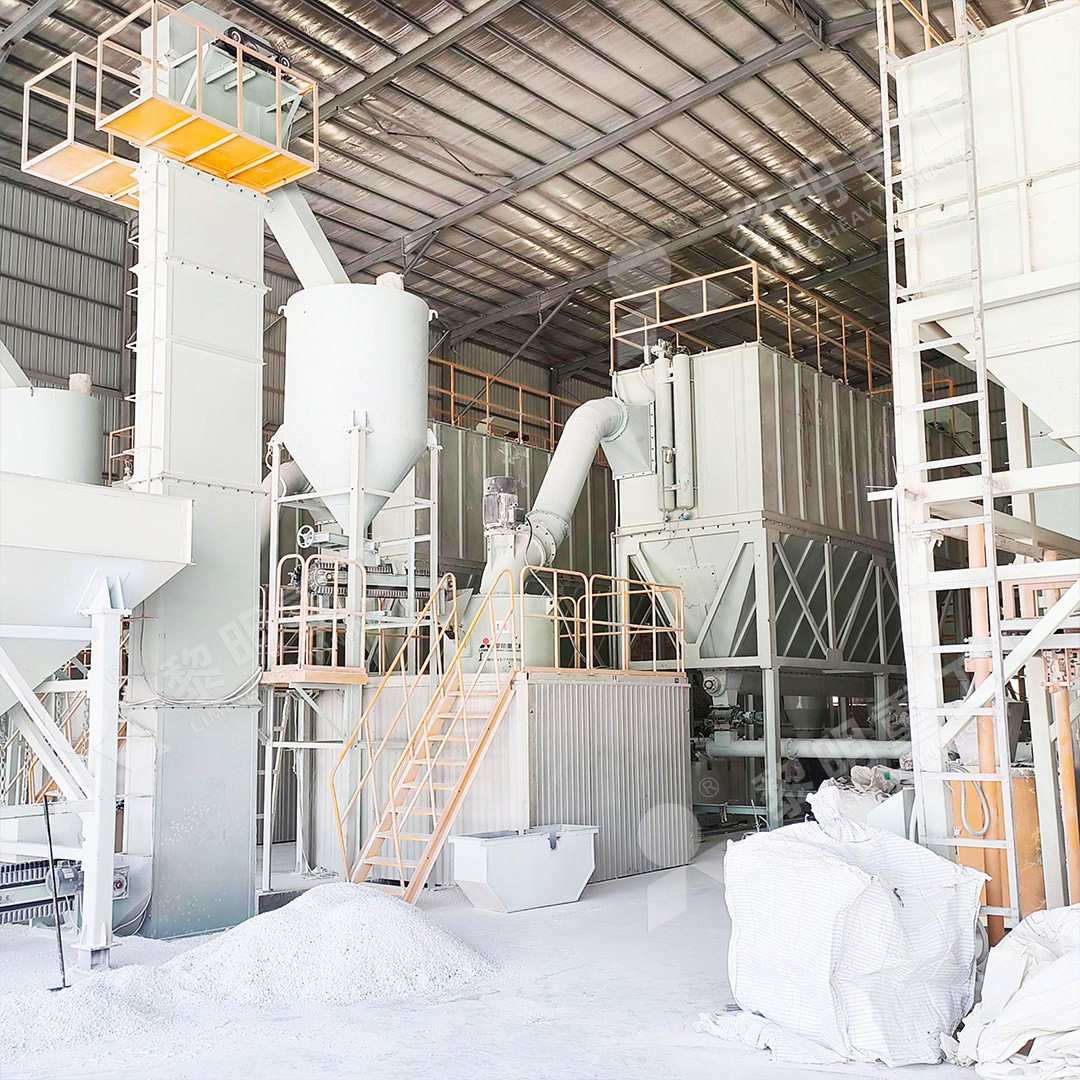
Another formidable player for ultra-fine mica production is the LUM Ultrafine Vertical Grinding Mill. Boasting a compact input size of 0-10 mm and a capacity of 5-18 tph, this mill integrates the latest grinding roller and powder separating technologies. Its unique roller shell and lining plate grinding curve design promotes easier material layer formation, enabling a high rate of finished product from a single pass. This not only boosts efficiency but also improves the whiteness and cleanliness of the final mica powder—a critical quality parameter. Its multi-head powder separating technology, controlled by a PLC system, ensures high precision and fast switching between different production demands, all while reducing energy consumption by 30%-50%.
Future Outlook and Conclusion
The trajectory of mica powder production technology is clearly aimed toward greater intelligence, sustainability, and precision. The integration of digital control systems (PLC) allows for remote monitoring and adjustment of key parameters like grinding pressure and rotor speed, paving the way for fully automated “smart mills.” The focus on reducing carbon footprint without compromising on product quality will continue to drive innovation.
In conclusion, the evolution from traditional milling to advanced, integrated systems like the MW and LUM mills has revolutionized mica powder production. These technologies offer manufacturers the ability to produce superior, consistent products more efficiently and responsibly than ever before, ensuring they remain competitive in a demanding global market.