
How Does a SAG Mill Operate in a Mining Plant? | Process & Principle Explained
We provide a wide range of mills — including Raymond mill, trapezoidal mill, vertical mill, ultrafine mill, and ball mill, obtained ISO9001 international quality certification, EU CE certification, and Customs Union CU-TR certification. Suitable for processing minerals such as limestone, phosphate, quicklime, kaolin, talc, barite, bentonite, calcium carbonate, dolomite, coal, gypsum, clay, carbon black, slag, cement raw materials, cement clinker, and more.
The discharge range of these mills can be adjusted to meet specific processing needs, typically from 80-400 mesh, 600-3250 mesh, and can achieve the finest particle size of up to 6000 mesh(D50).
If you are looking for a reliable grinding solution to turn stone or minerals into fine powder, please feel free to contact our online customer service.
How Does a SAG Mill Operate in a Mining Plant? | Process & Principle Explained
In the world of mineral processing, the Semi-Autogenous Grinding (SAG) mill is a true workhorse, a critical piece of equipment that bridges the gap between primary crushing and final fine grinding. Understanding its operation is key to optimizing any mining operation’s comminution circuit. Let’s break down the process and principle behind this industrial giant.
The Core Principle: A Mix of Impact and Abrasion
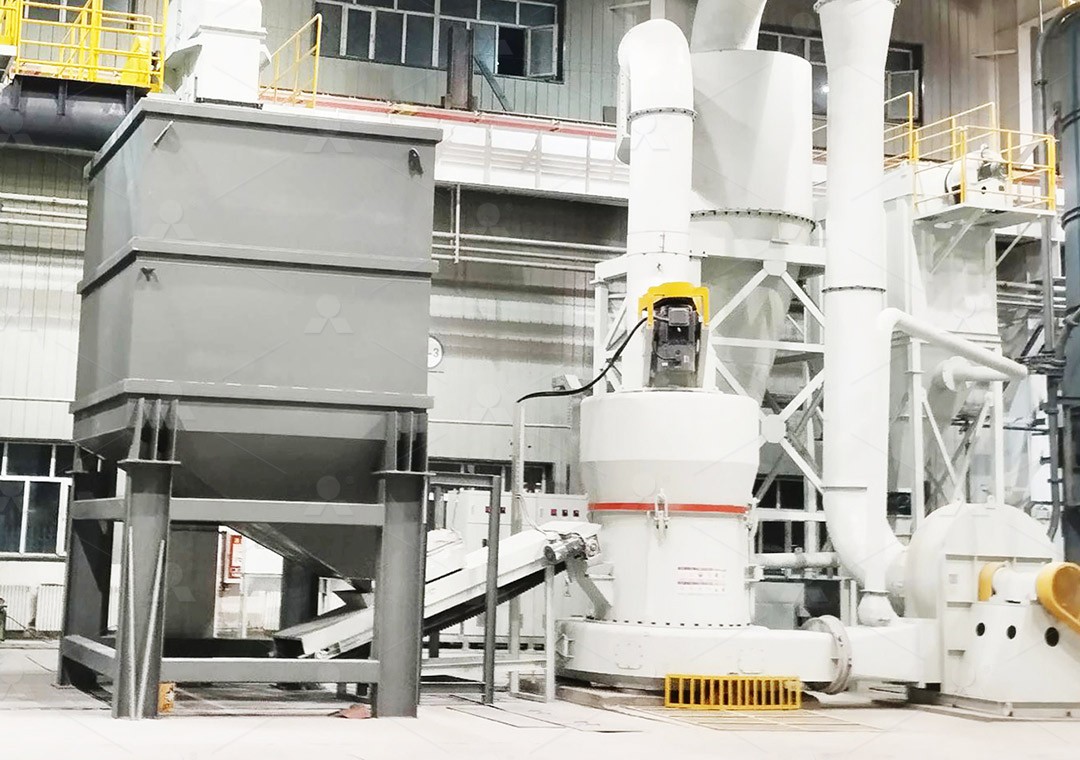
Unlike a standard ball mill that relies soley on steel balls for grinding, a SAG mill utilizes the ore itself as the primary grinding medium. Large rocks (typically up to 300mm) are fed into the rotating mill. As the mill turns, these rocks are lifted by the mill’s liners and then cascade down, creating a crushing impact on other particles at the toe of the load. A smaller charge of steel balls (around 6-12% of the mill volume) is added to assist in grinding, particularly for tougher fractions. This combination of rock-on-rock impact and ball-on-rock abrasion is what makes the SAG mill so efficient for primary grinding stages.
The Step-by-Step Operational Process
- Feed Introduction: Crushed run-of-mine (ROM) ore, often blended with water to create a slurry, is continuously fed into the mill through a trunnion or feed chute.
- Rotation and Lift: The massive drum, powered by a wrap-around GMD (Gearless Mill Drive) or traditional girth gear and pinion, rotates at a predetermined speed. Internal liner plates lift the charge (ore + balls) as the mill turns.
- Cascading and Grinding: At a certain height, the lifted material cascades down. The falling rocks fracture other rocks through impact, while the grinding balls grind finer particles through abrasion.
- Discharge: The continuously ground material, now a finer slurry, discharges out the opposite end of the mill. Grates with specific-sized slots act as a screen, allowing only sufficiently ground particles to pass through and exit the mill.
- Classification: The discharged slurry flows to a classifier (like a hydrocyclone). Oversize material is returned to the SAG mill for further grinding (this is the ‘closed circuit’), while the fine, product-sized slurry proceeds to the next stage, often a ball mill for final finishing.
Key Advantages and Why They Matter
SAG mills offer significant benefits. They eliminate the need for secondary and tertiary crushing stages, simplifying the entire flow sheet and reducing capital costs. They are incredibly versatile, capable of handling a wide range of ore hardness. However, efficient operation is paramount, as they are massive consumers of energy. This is where the entire grinding circuit’s efficiency comes into play.
Beyond SAG: The Need for Fine Grinding
While SAG mills excel at coarse grinding, many modern mining operations require ultra-fine powders to liberate valuable minerals for extraction. This is where advanced, energy-efficient fine grinding technologies become essential. For operations looking to enhance their downstream processing with reliable, high-yield fine milling, our MW Ultrafine Grinding Mill is a premier choice.
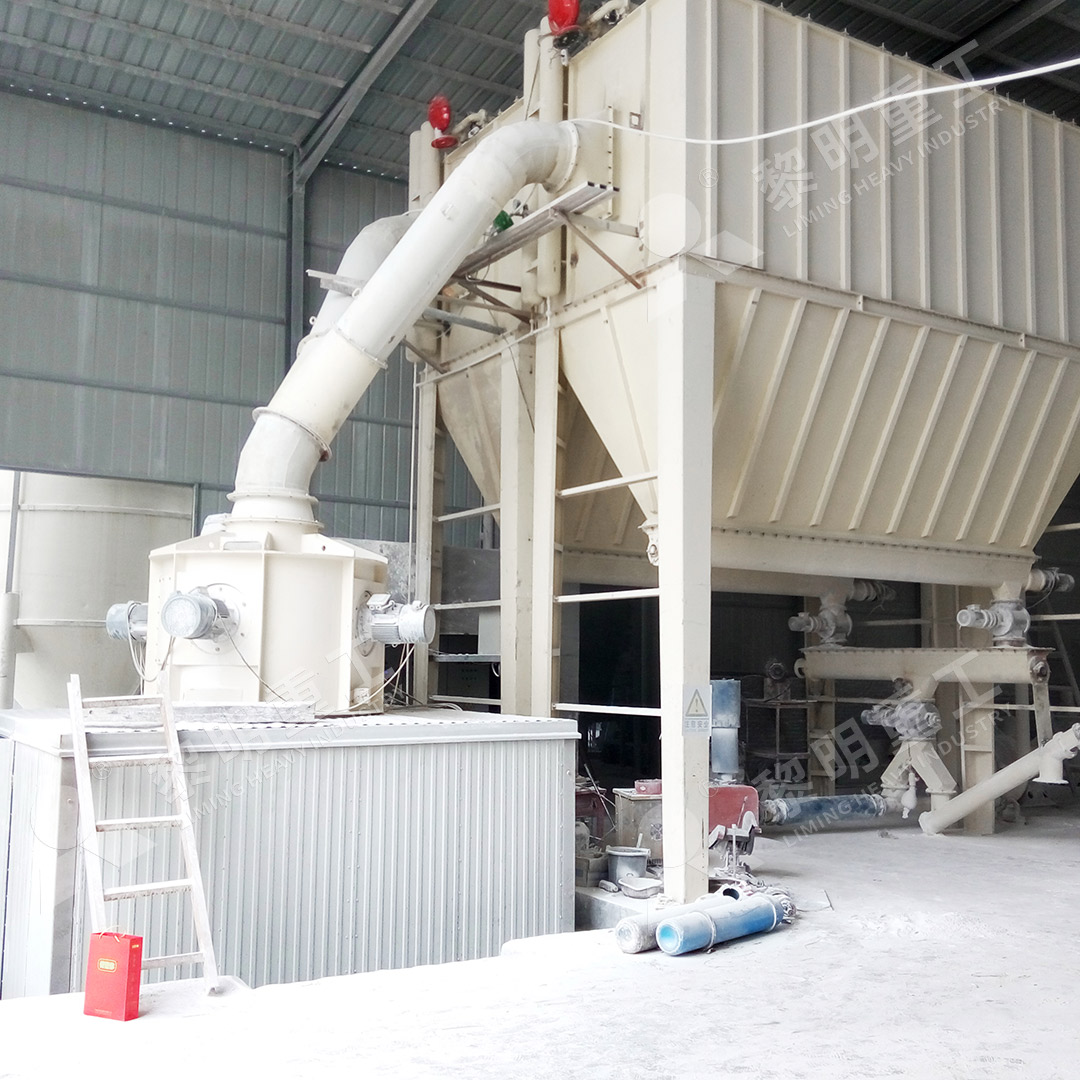
Designed for producing ultra-fine powder, the MW series mill is a game-changer. It handles an input size of 0-20 mm with a capacity ranging from 0.5 to 25 tph. Its cage-type powder selector, leveraging German technology, allows for precise fineness adjustment between 325 and 2500 meshes. A key feature for maintence-free operation is the absence of rolling bearings and screws in the grinding chamber, eliminating common failure points. Furthermore, its efficient pulse dust collector and muffler ensure the production process is both eco-friendly and quiet, meeting stringent environmental standards. For operations processing limestone, calcite, dolomite, or even specialized materials for cosmetics and food additives, the MW mill provides higher yield with lower energy consumption.
In conclusion, the SAG mill is the rugged primary grinder of the mining world, reducing large rocks to millimetre-sized particles through a powerful combination of impact and abrasion. For operations that need to push further into the realm of ultra-fine powders, integrating a specialized solution like our MW Ultrafine Grinding Mill can optimize the entire circuit, boosting final recovery rates and overall profitability.