How to Convert Stearic Acid into Cream Using a Roll Mill
We provide a wide range of mills — including Raymond mill, trapezoidal mill, vertical mill, ultrafine mill, and ball mill, obtained ISO9001 international quality certification, EU CE certification, and Customs Union CU-TR certification. Suitable for processing minerals such as limestone, phosphate, quicklime, kaolin, talc, barite, bentonite, calcium carbonate, dolomite, coal, gypsum, clay, carbon black, slag, cement raw materials, cement clinker, and more.
The discharge range of these mills can be adjusted to meet specific processing needs, typically from 80-400 mesh, 600-3250 mesh, and can achieve the finest particle size of up to 6000 mesh(D50).
If you are looking for a reliable grinding solution to turn stone or minerals into fine powder, please feel free to contact our online customer service.
How to Convert Stearic Acid into Cream Using a Roll Mill
Hey folks, let’s dive into the nitty-gritty of turning stearic acid into a smooth, luxurious cream using a roll mill. This process is crucial in cosmetics, pharmaceuticals, and food industries where fine, consistent textures are non-negotiable. Stearic acid, a fatty acid derived from animal or vegetable fats, acts as a thickening and emulsifying agent. But to get that silky finish, you gotta grind it down to ultra-fine particles—and that’s where roll mills come into play.
First off, stearic acid typically starts as coarse flakes or granules. You’ll need to pre-process it to a manageable size, say below 20mm, to feed into the mill. The roll mill applies shear and compression forces through rotating rollers, breaking down the particles through mechanical action. This step is vital because finer particles blend more uniformly with other ingredients like oils, water, and preservatives, resulting in a stable, homogenous cream without grittiness.
Now, here’s where things get technical. The grinding efficiency depends on factors like roller speed, gap setting, and temperature control—stearic acid can melt around 70°C, so cooling might be necessary to prevent clumping. After milling, the powdered stearic acid is mixed with other components in a separate vessel under controlled conditions to form the cream base. Proper milling ensures the cream has a smooth texture, enhances its stability, and improves skin absorption.
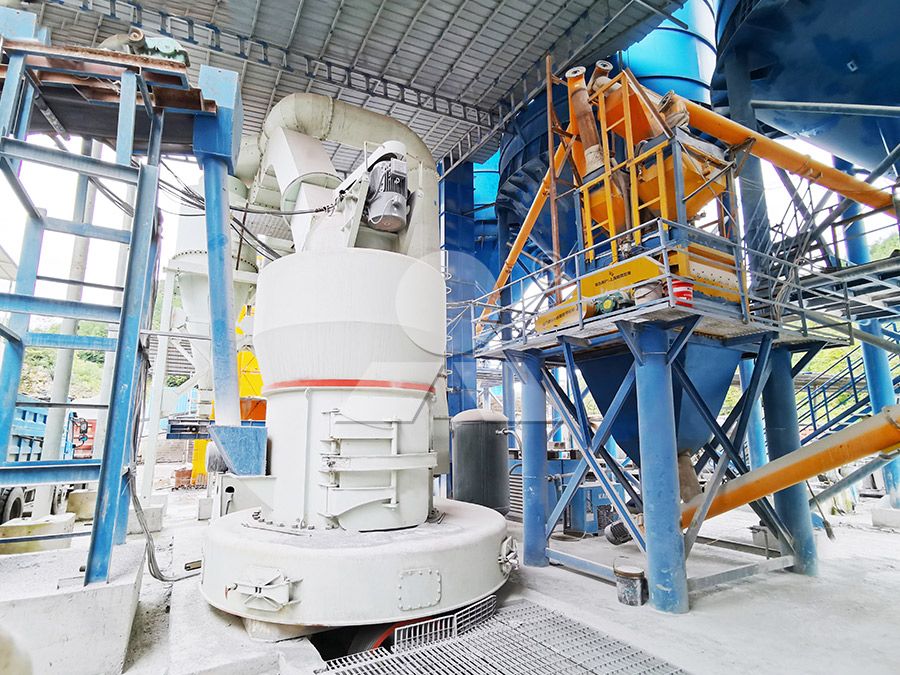
For this kinda job, you need a mill that’s both precise and reliable. I’d recommend checking out our MW Ultrafine Grinding Mill. It’s a beast for ultra-fine powder production, handling input sizes up to 20mm with a capacity ranging from 0.5 to 25 tph. What makes it stand out? It’s designed for minimal dust and noise, thanks to its efficient pulse dust collector and muffler. Plus, it’s eco-friendly—no nasty environmental impacts. The MW mill uses advanced grinding curves and a cage-type powder selector for fineness between 325-2500 meshes, perfect for achieving that creamy consistency. And hey, no rolling bearings or screws in the grinding chamber mean less maintenance headache and more uptime.
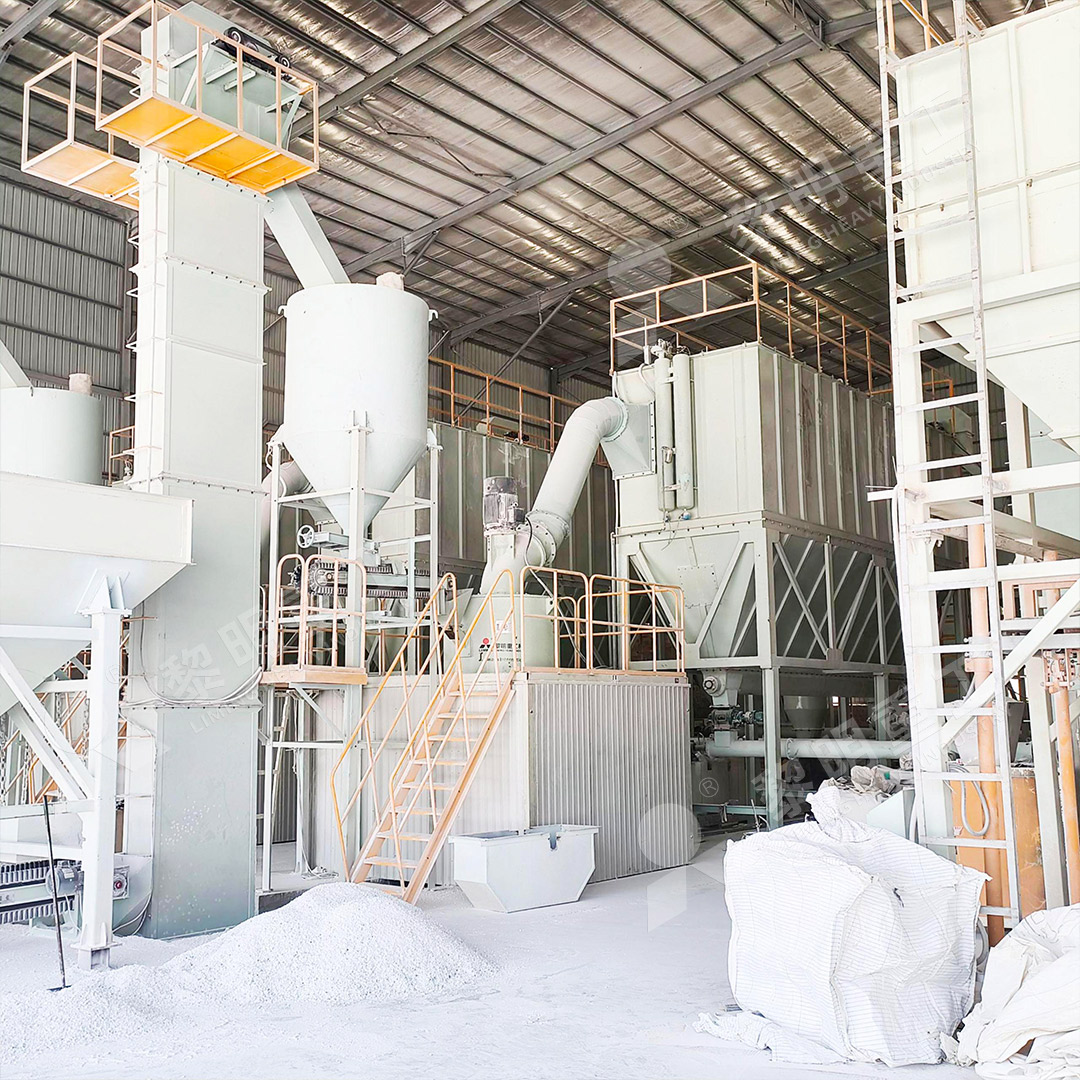
If you’re dealing with even finer requirements or vertical integration, our LUM Ultrafine Vertical Grinding Mill is another top pick. It handles inputs up to 10mm with a capacity of 5-18 tph, featuring German powder separating tech and higher yielding rates. Its reversible structure makes maintenance a breeze—just slide the roller out for checks. Both mills are digitalized for precision and come with full spare parts support, so you’re covered for worry-free operation.
In summary, converting stearic acid into cream with a roll mill is all about precision grinding. Choose the right equipment, monitor the process parameters, and you’ll end up with a product that’s smooth as butter. Remember, a good mill isn’t just a machine—it’s your partner in quality. Give our MW or LUM mills a shot, and you won’t be disappointed!