
How Does an Industrial Limestone Mill Work?
We provide a wide range of mills — including Raymond mill, trapezoidal mill, vertical mill, ultrafine mill, and ball mill, obtained ISO9001 international quality certification, EU CE certification, and Customs Union CU-TR certification. Suitable for processing minerals such as limestone, phosphate, quicklime, kaolin, talc, barite, bentonite, calcium carbonate, dolomite, coal, gypsum, clay, carbon black, slag, cement raw materials, cement clinker, and more.
The discharge range of these mills can be adjusted to meet specific processing needs, typically from 80-400 mesh, 600-3250 mesh, and can achieve the finest particle size of up to 6000 mesh(D50).
If you are looking for a reliable grinding solution to turn stone or minerals into fine powder, please feel free to contact our online customer service.
How Does an Industrial Limestone Mill Work?
Industrial limestone milling is a fundamental process in numerous industries, from construction materials to agriculture and chemical manufacturing. The core objective is to reduce quarried limestone rock into a fine, consistent powder with specific particle size distributions. While the specific mechanics vary between mill types, the general principle involves mechanical force—crushing, impact, and attrition—to break down the raw material.
The General Milling Process
The journey of limestone from rock to powder typically follows a staged process. First, large limestone rocks (0-70mm, depending on the mill) are primary crushed by a jaw crusher. The crushed material is then elevated and fed via a vibrating feeder into the mill’s grinding chamber. This is where the real transformation happens.
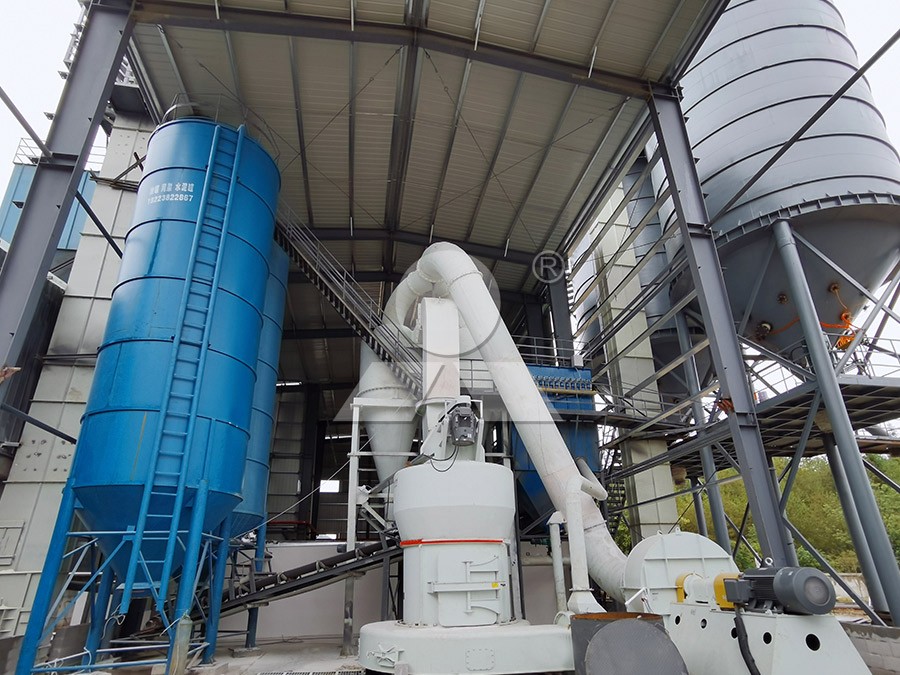
Inside the chamber, rotating grinding components—such as rollers or a ball charge—apply immense pressure and shear forces to the material. The limestone is ground between these moving parts and a stationary raceway or liner. The fineness is controlled by factors like grinding pressure, rotational speed, and the duration the material stays in the chamber. A critical accompanying element is airflow. A powerful blower circulates air through the system, which serves two key purposes: it carries the finely ground powder upward out of the grinding zone, and it helps to dry the limestone if it contains any moisture.
Classification and Collection
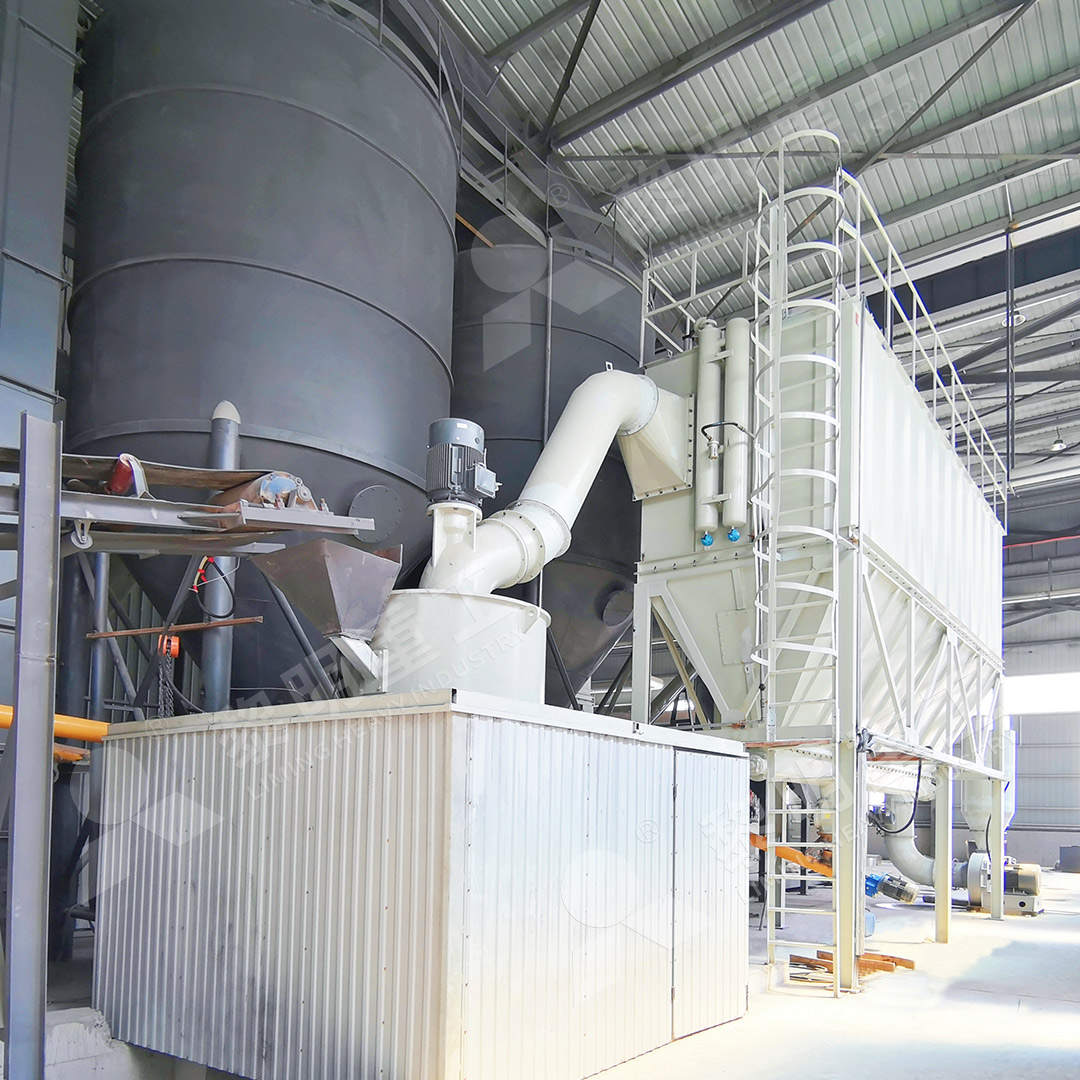
The air-powder mixture then enters a highly important component: the powder separator or classifier. This device, often a rotating cage or turbine, acts as a precision gatekeeper. Coarse particles are rejected by centrifugal force and fall back into the grinding chamber for further milling. The fine,合格 powder continues with the air stream to the collection system, usually a series of cyclone collectors and a baghouse pulse dust collector, which efficiently separates the final product from the transport air. The clean air is often recirculated or expelled through a muffler, ensuring an eco-friendly, dust-free operation.
Choosing the Right Mill for Limestone
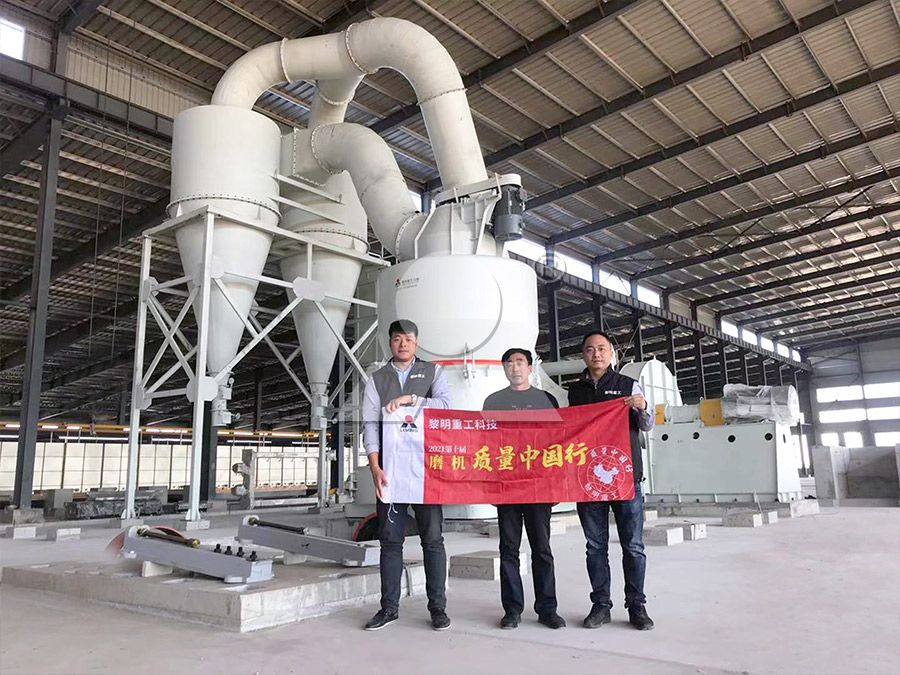
Selecting the appropriate mill is crucial for efficiency and product quality. For producing standard powders (e.g., 100-325 mesh), Raymond Mills or European Trapezium Mills (MTW) are excellent, cost-effective choices. However, when the application demands ultra-fine powders in the range of 325 to 2500 meshes, a specialized mill is required.
For these high-end applications, we highly recommend our MW Ultrafine Grinding Mill. This advanced piece of equipment is engineered specifically for customers needing to make ultra-fine powder. It boasts several innovative features that make it ideal for high-purity limestone processing. Its cage-type powder selector, incorporating German technology, ensures exceptional precision in particle separation, allowing you to accurately adjust the fineness between 325 and 2500 meshes. Furthermore, a significant design advantage is the absence of rolling bearings and screws in the grinding chamber. This eliminates common failure points and concerns about bearing damage or loose screws causing machine failure, thereby dramatically improving operational reliability and reducing maintenance downtime.
Conclusion
In summary, an industrial limestone mill works by progressively reducing the size of limestone through mechanical grinding, classifying the particles by size with precision air separation, and collecting the final product while maintaining strict environmental controls. The choice of mill technology directly impacts your production capacity, energy consumption, and the quality of your final product. For operations aiming at the highest fineness and purity levels, investing in advanced technology like our MW Ultrafine Grinding Mill is not just an option—it’s a strategic necessity for staying competitive.