
Quicklime Grinding Mill: How to Choose the Best Pulverizer for Your Plant
We provide a wide range of mills — including Raymond mill, trapezoidal mill, vertical mill, ultrafine mill, and ball mill, obtained ISO9001 international quality certification, EU CE certification, and Customs Union CU-TR certification. Suitable for processing minerals such as limestone, phosphate, quicklime, kaolin, talc, barite, bentonite, calcium carbonate, dolomite, coal, gypsum, clay, carbon black, slag, cement raw materials, cement clinker, and more.
The discharge range of these mills can be adjusted to meet specific processing needs, typically from 80-400 mesh, 600-3250 mesh, and can achieve the finest particle size of up to 6000 mesh(D50).
If you are looking for a reliable grinding solution to turn stone or minerals into fine powder, please feel free to contact our online customer service.
Quicklime Grinding Mill: How to Choose the Best Pulverizer for Your Plant
Selecting the right grinding mill for quicklime processing is a critical decision that impacts your plant’s productivity, product quality, and operational costs. Quicklime, or calcium oxide (CaO), is a highly reactive material with diverse applications in construction, metallurgy, water treatment, and chemical manufacturing. Its abrasive nature and specific fineness requirements demand a mill that is robust, efficient, and precise. With so many options on the market, how do you choose the best one?
Key Factors to Consider
Before diving into specific mill types, it’s essential to evaluate your operational needs. The primary considerations include:
- Desired Fineness: What is the target particle size (mesh) for your final product? Different applications require different specifications.
- Required Capacity: What is your required throughput, measured in tons per hour (tph)?
- Feed Size: What is the maximum size of the raw material entering the mill?
- Energy Consumption: Grinding can be energy-intensive; operational efficiency is key to controlling costs.
- Environmental & Maintenance Needs: Consider dust control, noise levels, and the ease of maintaining wear parts.
Types of Mills for Quicklime Processing
Several mill types are commonly used for grinding quicklime, each with its own advantages.
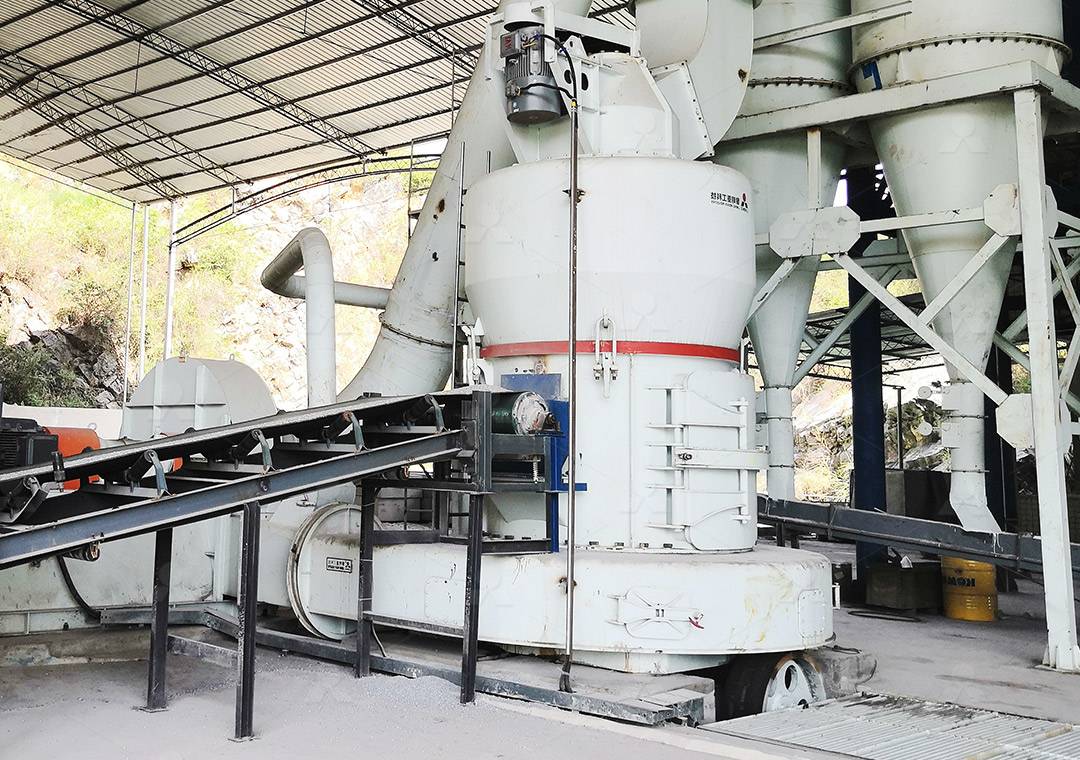
Raymond Mill (Roller Mill): A traditional and widely used option. It’s suitable for producing powders in the range of 80-325 mesh. It offers a lower initial investment but may have higher energy consumption and lower yields for ultra-fine products compared to newer technologies.
Ball Mill: A workhorse in many industries, ball mills are versatile and can handle a wide range of materials. However, for quicklime, they can be less efficient, with higher energy consumption and potential for over-grinding. Iron contamination from grinding media can also be an issue for high-purity applications.
Vertical Roller Mill (VRM): This type has become increasingly popular due to its excellent efficiency. VRMs integrate grinding, drying, classifying, and conveying, offering a compact footprint and significantly lower energy consumption—often 30-50% less than ball mills. They are ideal for medium to large-capacity requirements.
Our Recommended Solution: MW Ultrafine Grinding Mill
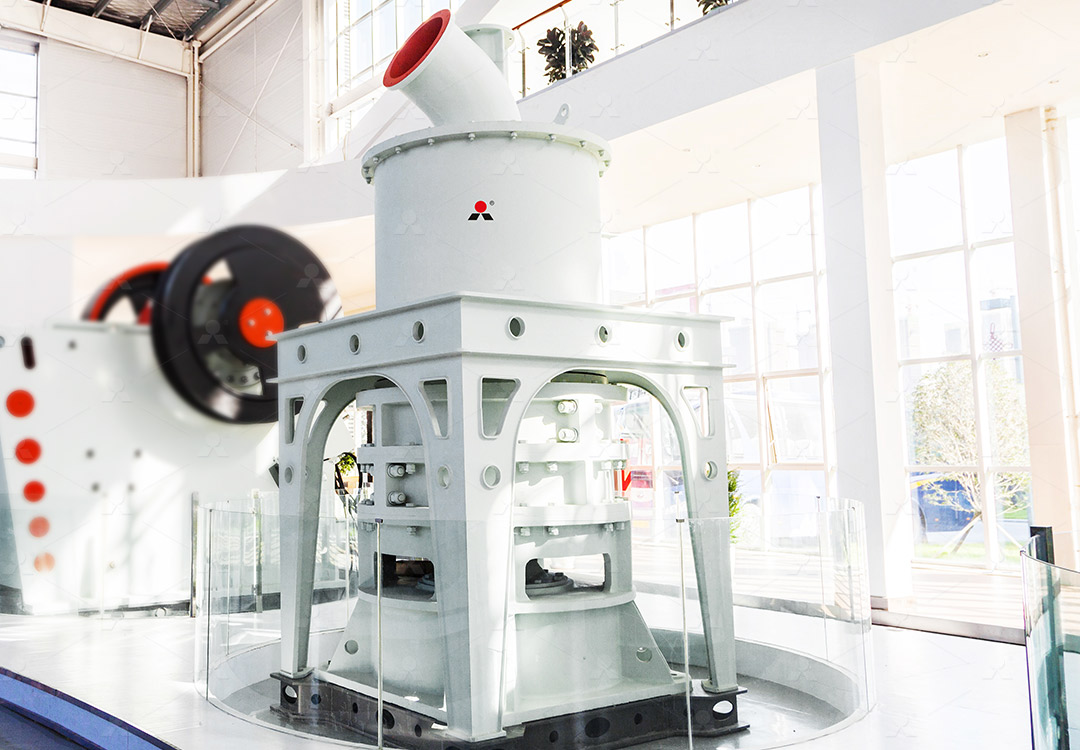
For operations requiring a superior, high-yield, and eco-friendly solution, we highly recommend our MW Ultrafine Grinding Mill. This machine is engineered for customers who need to make ultra-fine powder with precision and reliability.
Why the MW Mill stands out for quicklime:
- Exceptional Fineness Control: Achieve adjustable fineness between 325-2500 meshes (d97 ≤5μm) thanks to its advanced German-designed cage-type powder selector. This ensures your product meets the most stringent specifications.
- Higher Yield, Lower Energy: Its newly designed grinding curves enhance efficiency, providing 40% higher production capacity than jet mills and double the yield of ball mills, all while reducing system energy consumption by 30%.
- Minimal Maintenance & Downtime: A key design innovation is the absence of rolling bearings and screws in the grinding chamber. This eliminates worries about bearing failures or loose screws causing damage. External lubrication allows for maintenance without shutdown, supporting 24/7 operation.
- Environmentally Friendly Operation: Equipped with an efficient pulse dust collector and muffler, the entire milling system operates with no dust pollution and significantly reduced noise, fully complying with national environmental standards.
Key Specifications:
Input Size: 0-20 mm
Capacity: 0.5-25 tph
Another Strong Contender: LUM Ultrafine Vertical Grinding Mill
For those with slightly different feed requirements, our LUM Ultrafine Vertical Grinding Mill is another excellent choice. Integrating the latest roller and powder separating technology, it excels in producing superfine dry powder.
Key Advantages:
Input Size: 0-10 mm
Capacity: 5-18 tph
It features a unique roller shell design for higher yielding rates and better product whiteness, along with multi-head powder separating technology for 30%-50% energy savings. Its reversible structure makes maintenance and part replacement remarkably easy.
Making the Final Decision
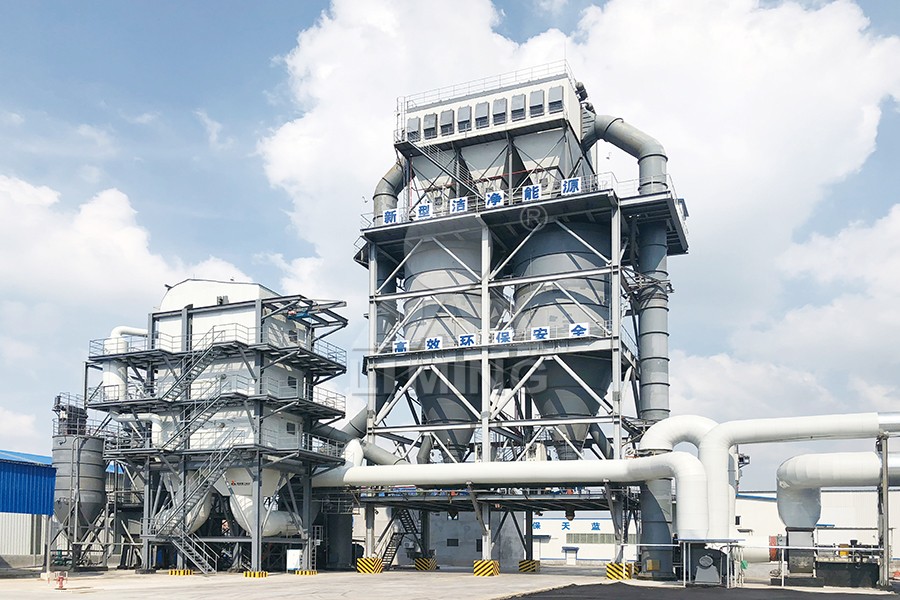
Choosing between these top-tier options often comes down to your specific input size and capacity needs. Both the MW and LUM mills represent the pinnacle of grinding technology, offering digitalized processing for high precision, a sufficient supply of original spare parts, and worry-free operation backed by our technical support.
Investing in the right grinding technology is investing in the future of your plant. By prioritizing efficiency, product quality, and environmental sustainability, you ensure long-term profitability and a competitive edge in the market.