
Used Hammer Mills for Bentonite Grinding: A Buyer’s Guide for Sale Options
We provide a wide range of mills — including Raymond mill, trapezoidal mill, vertical mill, ultrafine mill, and ball mill, obtained ISO9001 international quality certification, EU CE certification, and Customs Union CU-TR certification. Suitable for processing minerals such as limestone, phosphate, quicklime, kaolin, talc, barite, bentonite, calcium carbonate, dolomite, coal, gypsum, clay, carbon black, slag, cement raw materials, cement clinker, and more.
The discharge range of these mills can be adjusted to meet specific processing needs, typically from 80-400 mesh, 600-3250 mesh, and can achieve the finest particle size of up to 6000 mesh(D50).
If you are looking for a reliable grinding solution to turn stone or minerals into fine powder, please feel free to contact our online customer service.
Used Hammer Mills for Bentonite Grinding: A Buyer’s Guide for Sale Options
So, you’re in the market for a used hammer mill to grind bentonite, huh? Smart move. Bentonite clay is a beast to work with—its moisture content, abrasiveness, and specific fineness requirements demand robust and reliable equipment. While a brand-new mill might be out of budget, a well-maintained used hammer mill can be a fantastic cost-effective solution. But buyer beware! Not all used mills are created equal. Let’s break down what you need to know before pulling the trigger on a sale.
Why Consider a Used Hammer Mill?
Let’s be real, the primary driver is cost. A quality used hammer mill can often be acquired for a fraction of the price of a new one, significantly reducing your initial capital investment. This is especially appealing for startups or operations looking to expand their capacity without breaking the bank. For bentonite, which is notoriously tough on equipment, starting with a used machine can be a lower-risk way to establish your process line.
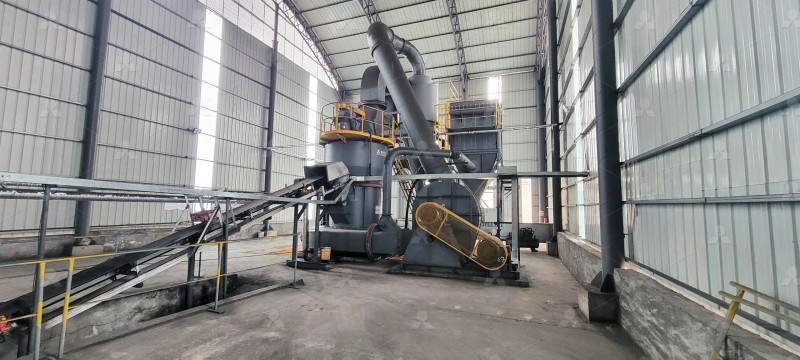
Key Considerations When Buying Used
Don’t just jump on the first cheap listing you see. Here are the critical factors to scrutinize:
- Wear and Tear: Bentonite is abrasive. Inspect the hammers, screens, and liners for excessive wear. Ask for maintenance logs. Replacing all the wear parts on a cheap mill could suddenly make it an expensive proposition.
- Capacity Match: Ensure the mill’s historical capacity (in tons per hour) aligns with your production goals. A mill that’s too small will bottleneck your operation; one that’s too large will waste energy.
- Drive System: Check the motor, belts, and bearings. A worn-out bearing can lead to catastrophic failure. Listen for unusual noises during a test run.
- Source of the Mill: Where did it come from? A mill used for grinding similar non-abrasive materials might be in better shape than one used for something like silica or ore.
Beyond the Hammer Mill: The Ultrafine Option
While hammer mills are great for initial size reduction, many modern applications demand a much finer, more consistent bentonite powder. This is where considering an upgrade, even to a used ultrafine grinding mill, can be a game-changer for your product quality and efficiency.
If you’re looking to produce high-value bentonite products with superior consistency, you should seriously consider our MW Ultrafine Grinding Mill. This machine is an absolute workhorse designed for customers who need to make ultra-fine powder. It’s not just about fineness; it’s about doing it efficiently and cleanly.
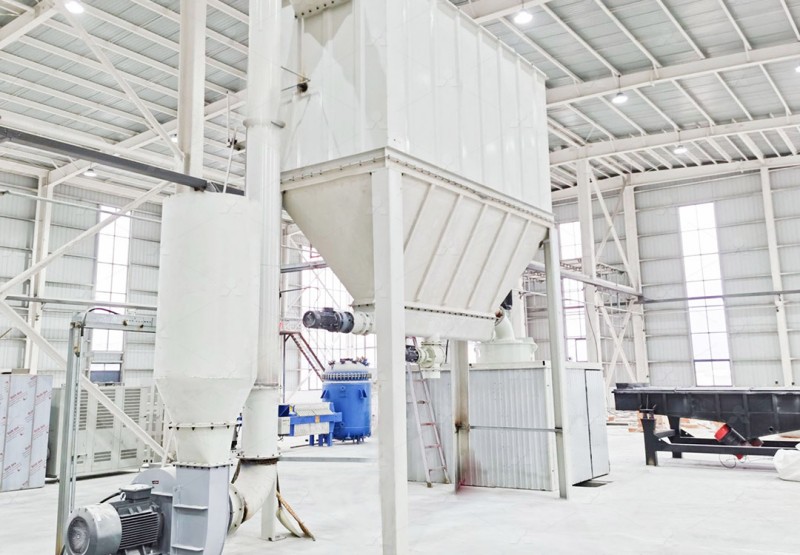
Here’s why the MW Mill stands out, even against used options:
- Higher Yielding, Lower Energy Consumption: Its newly designed grinding curves make it 40% more efficient than jet mills. Your operating costs plummet.
- Precise Fineness Control: You can dial in the fineness between 325 and an incredible 2500 meshes, perfect for specialized bentonite applications. The screening rate is superb.
- Built to Last: A genius design feature—no rolling bearings or screws in the grinding chamber. You’re free from worries about bearing failures or loose screws causing downtime. Lubrication is done externally without stopping production.
- Eco-Friendly Operation: It comes equipped with an efficient pulse dust collector and silencer, making the entire process cleaner and quieter. No dust pollution, meeting all environmental standards.
Specs at a glance: Input Size: 0-20 mm | Capacity: 0.5-25 tph. It’s a versatile unit that can handle not just bentonite but also barite, marble, talc, and more.
Another Top-Tier Recommendation: The LUM Ultrafine Vertical Mill
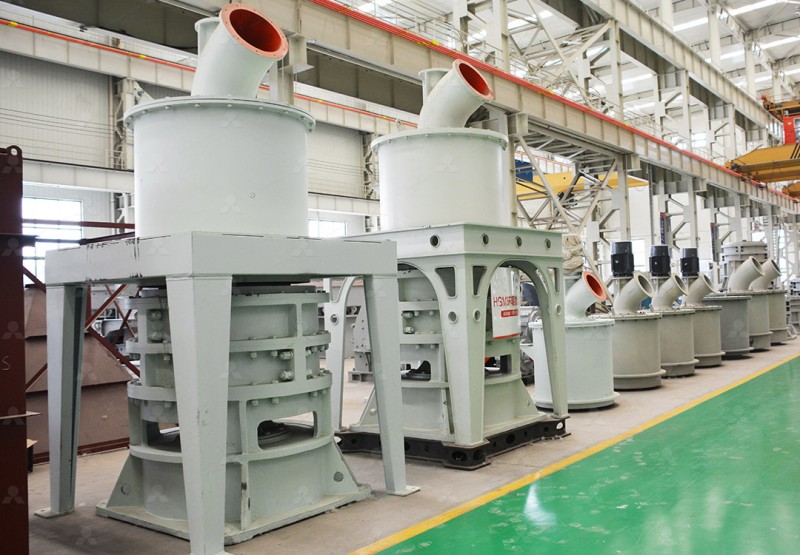
For operations prioritizing energy savings and easy maintenance, our LUM Ultrafine Vertical Grinding Mill is another stellar choice. It uses advanced grinding roller and powder separating technology for exceptional efficiency.
Its key advantage is the reversible structure. Ever tried to maintain a heavy grinding roller? It’s a nightmare. With the LUM mill, the roller can be easily swung out of the body for quick checking and replacement, drastically reducing shutdown time and losses. That’s a huge operational advantage.
Final Word of Advice
Buying used can be a brilliant strategy. Do your homework, inspect thoroughly, and don’t be afraid to ask for a trial with your material. But also keep your mind open to investing in newer technology like our MW or LUM mills. The gains in productivity, energy savings, and minimal downtime often lead to a faster return on investment and a superior final product than a used hammer mill ever could. Sometimes, the best “sale option” is the one that saves you the most money in the long run.
Happy grinding!