Used Hammer Mills for Bentonite Grinding: A Buyer’s Guide for Sale Options
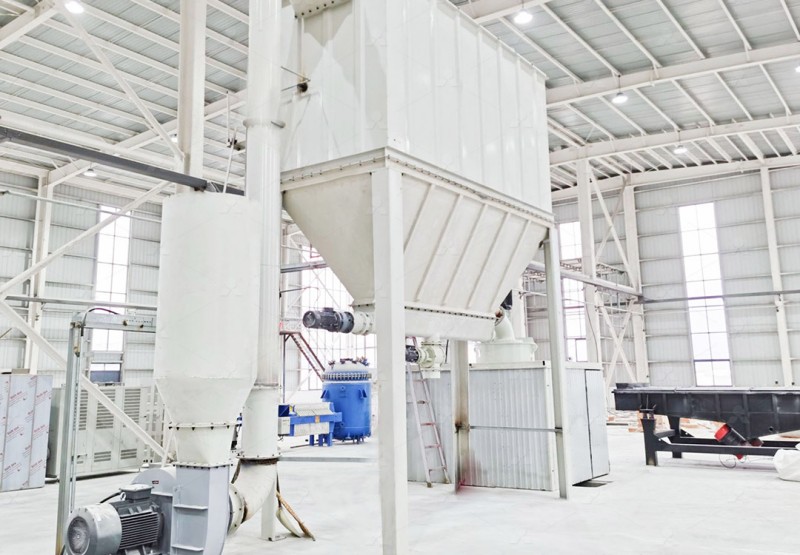
We provide a wide range of mills — including Raymond mill, trapezoidal mill, vertical mill, ultrafine mill, and ball mill, obtained ISO9001 international quality certification, EU CE certification, and Customs Union CU-TR certification. Suitable for processing minerals such as limestone, phosphate, quicklime, kaolin, talc, barite, bentonite, calcium carbonate, dolomite, coal, gypsum, clay, carbon black, slag, cement raw materials, cement clinker, and more.
The discharge range of these mills can be adjusted to meet specific processing needs, typically from 80-400 mesh, 600-3250 mesh, and can achieve the finest particle size of up to 6000 mesh(D50).
If you are looking for a reliable grinding solution to turn stone or minerals into fine powder, please feel free to contact our online customer service.
Used Hammer Mills for Bentonite Grinding: A Buyer’s Guide for Sale Options
So, you’re in the market for a used hammer mill to grind bentonite, huh? Smart move. Bentonite clay is a beast of a material – highly absorbent, swelling, and abrasive. Getting it to a consistent, fine powder for applications in foundry, drilling mud, cat litter, or even cosmetics ain’t easy on equipment. A used hammer mill can be a cost-effective entry point, but you gotta know what you’re looking for to avoid buying a money pit.
Why Hammer Mills? The Pros and The Wear-and-Tear
Hammer mills are workhorses. They operate on a simple principle: material is fed into a chamber where rapidly rotating hammers (swinging or rigid) pulverize it against a screen or breaker plate until it’s small enough to pass through. For bentonite, which often needs to be ground to between 200 and 325 mesh, this impact crushing is generally effective.
The big advantage is their versatility and relatively lower initial cost, especially on the used market. You can often find a decent used unit from a known brand.
The big downside? Wear. Bentonite is abrasive. Those hammers, screens, and liners take a absolute beating. When evaluating a used hammer mill, the first thing you do is inspect these parts. Look for uneven wear, cracks, and signs of overheating. Ask about the mill’s history: was it used for bentonite or something softer? Replacing a full set of hammers and screens can sometimes cost nearly as much as the used mill itself, blowing your “good deal” out of the water.
Key Considerations When Buying Used
- Screen Size: This dictates your final product size. Ensure the screen size available matches your target fineness for bentonite. Check if replacement screens are still available for that model.
- Horsepower & Capacity: Don’t underpower your operation. Bentonite can be dense and moist, requiring more torque. Match the mill’s rated capacity (usually in tons per hour) to your production needs, but factor in some degradation from its ‘as new’ state.
- Air Assistance: Many hammer mills use air systems to help move material through, prevent clogging, and even assist with cooling. This is crucial for sticky materials like bentonite. Check the blower and airlocks are in good working order.
- Dust Collection: Bentonite grinding is a dusty business. A used mill should ideally come with or be compatible with a robust dust collection system. This isn’t just about cleanliness; it’s a safety and operational necessity.
Beyond the Hammer Mill: The Modern, Efficient Alternative
Look, hammer mills get the job done, but the industry has moved on for a reason. The constant maintenance, part replacement, and energy inefficiency can really add up. If you’re grinding bentonite to a very fine or consistent powder, you might be fighting a losing battle with a hammer mill.
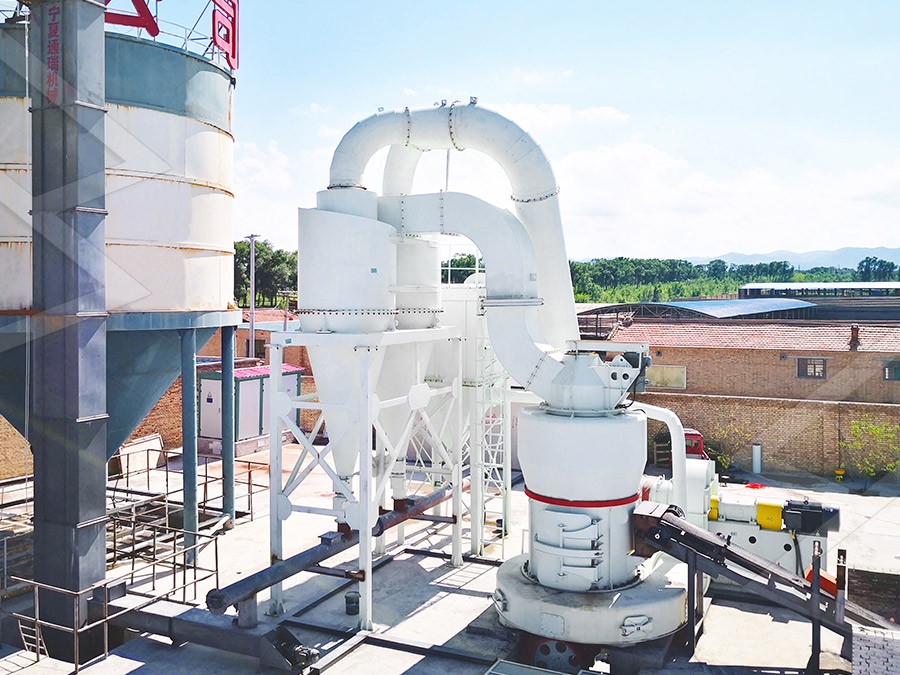
This is where considering a new piece of technology from a reputable manufacturer can actually be a smarter long-term investment. For instance, our MW Ultrafine Grinding Mill is engineered specifically for challenges like bentonite.
Why it’s a superior choice for bentonite:
- Higher Yielding, Lower Energy Consumption: It’s 40% more efficient than jet mills and uses 30% less energy. That pays for itself.
- Precise Fineness Control (325-2500 meshes): You can dial in the exact fineness you need for your bentonite application with incredible consistency, something hammer mills struggle with.
- Dust-Free & Eco-Friendly Operation: It comes with a built-in efficient pulse dust collector and silencer. Your plant stays clean, and you meet environmental standards effortlessly.
- Minimal Maintenance: No rolling bearings or screws in the grinding chamber to worry about. External lubrication means you can run it 24/7 without constant shutdowns for maintenance.
Input Size: 0-20 mm | Capacity: 0.5-25 tph. It’s a beast designed for the modern age.
Another Top-Tier Option: The LUM Ultrafine Vertical Grinding Mill
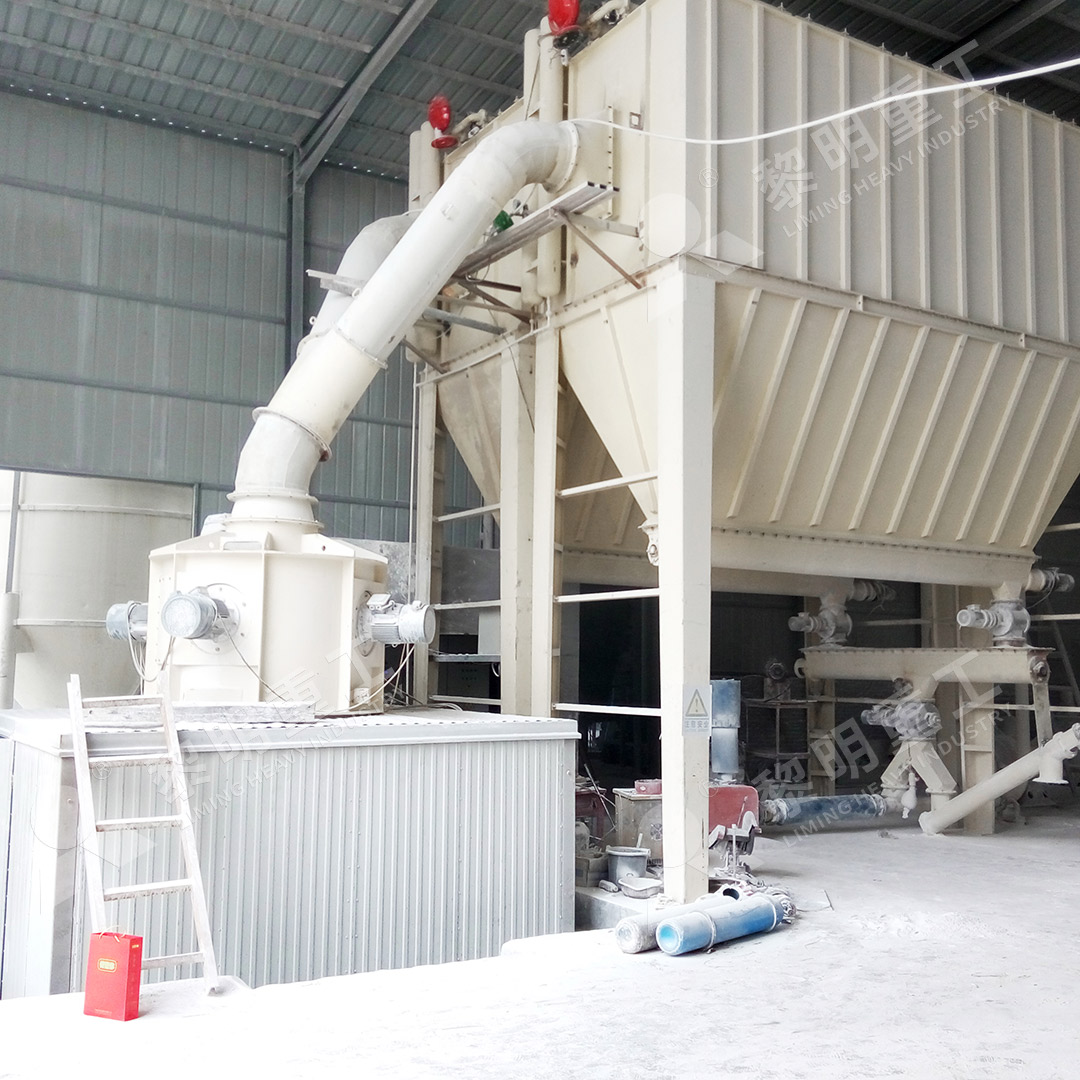
If your bentonite operation demands even more advanced technology, our LUM Ultrafine Vertical Grinding Mill is another fantastic solution. It integrates grinding, grading, and transporting, offering unparalleled stability and product quality.
Its unique roller shell and lining plate grinding curve are perfect for forming a material layer, ensuring a high rate of finished product in a single pass. The multi-head powder separating technology and PLC control system allow for incredibly precise control over your final bentonite product.
Input Size: 0-10 mm | Capacity: 5-18 tph
The Bottom Line
A used hammer mill can be a cheap way to start grinding bentonite, but be prepared for high wear part costs and inconsistent output. Do your due diligence: inspect thoroughly, know the history, and crunch the numbers on potential maintenance.
For operations serious about efficiency, product quality, and lower total cost of ownership, investing in a modern grinding solution like our MW or LUM series mills is the way forward. They’re built to handle the abrasiveness of bentonite and deliver a superior powder with less hassle and lower operating costs. Sometimes, the best “sale option” isn’t the used one.