How to Process Gold Ore Using a Ball Mill: Step-by-Step Guide
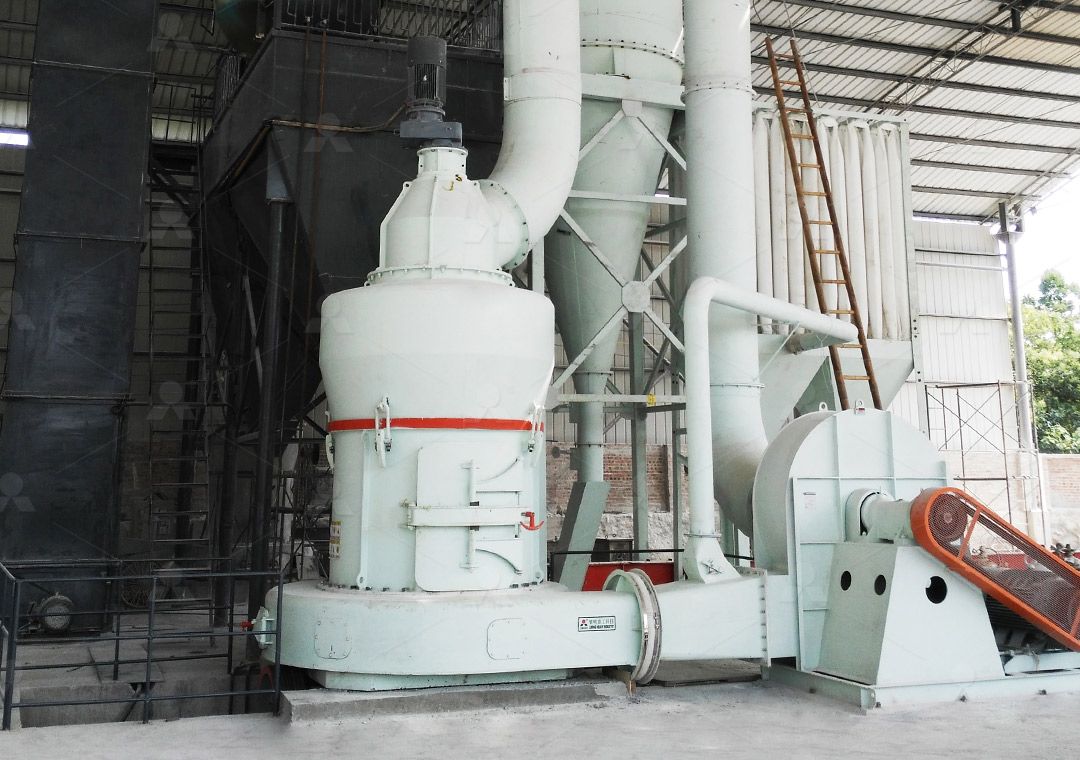
We provide a wide range of mills — including Raymond mill, trapezoidal mill, vertical mill, ultrafine mill, and ball mill, obtained ISO9001 international quality certification, EU CE certification, and Customs Union CU-TR certification. Suitable for processing minerals such as limestone, phosphate, quicklime, kaolin, talc, barite, bentonite, calcium carbonate, dolomite, coal, gypsum, clay, carbon black, slag, cement raw materials, cement clinker, and more.
The discharge range of these mills can be adjusted to meet specific processing needs, typically from 80-400 mesh, 600-3250 mesh, and can achieve the finest particle size of up to 6000 mesh(D50).
If you are looking for a reliable grinding solution to turn stone or minerals into fine powder, please feel free to contact our online customer service.
How to Process Gold Ore Using a Ball Mill: Step-by-Step Guide
Processing gold ore is a complex but rewarding endeavor that requires the right equipment and techniques. While the traditional ball mill has been a workhorse in the industry for decades, understanding its operation and knowing when to upgrade to more advanced technology is key to maximizing efficiency and yield. This guide will walk you through the essential steps of using a ball mill for gold ore, while also introducing a superior alternative for ultra-fine grinding needs.
Step 1: Ore Preparation and Crushing
Before the ore even reaches the ball mill, it must be properly prepared. Large rocks containing gold need to be reduced to a manageable size. This is typically done using a jaw crusher or a gyratory crusher to achieve a size of about 1-2 inches. This primary crushing stage is crucial for efficient grinding later on.
Step 2: Feeding the Ball Mill
The crushed ore is then conveyed to a holding bin or hopper, which feeds the ball mill. A consistent and controlled feed rate is vital. Too much ore overloads the mill, reducing its efficiency, while too little leads to excessive wear on the grinding media (the balls) without sufficient production. The ideal feed size for a standard ball mill is typically less than 25mm.
Step 3: The Grinding Process
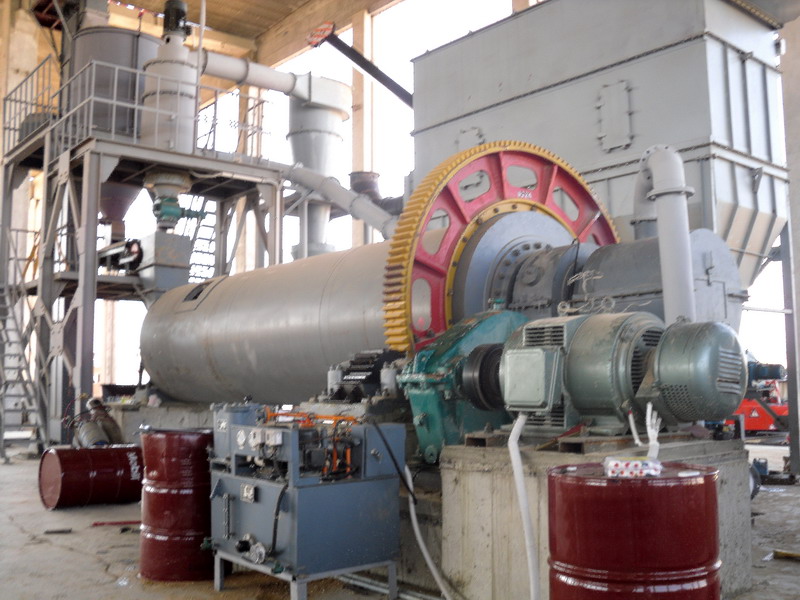
Inside the rotating ball mill, the ore is mixed with water to create a slurry. The steel balls inside the chamber are lifted by the mill’s rotation and then cascade down, impacting the ore and breaking it down through a combination of impact and abrasion. The goal is to liberate the gold particles from the surrounding waste rock (gangue). The grinding continues until the particles reach the desired fineness, often to the consistency of fine sand or silt.
Step 4: Discharge and Classification
Once ground, the slurry discharges from the mill. It’s common to use a spiral classifier or a series of screens to separate the finely ground material from any larger particles that need to be sent back to the mill for further grinding (this is called a closed-circuit system). This ensures a consistent product size for the next stage of gold recovery.
Step 5: Gold Extraction
The final, finely ground slurry is now ready for extraction. The most common method for free-milling gold ores is cyanidation, where the gold is dissolved into a solution. Other methods include gravity separation (using centrifuges or shaking tables) or flotation. The choice depends on the nature of your specific ore.
Limitations of Ball Mills and a Modern Alternative
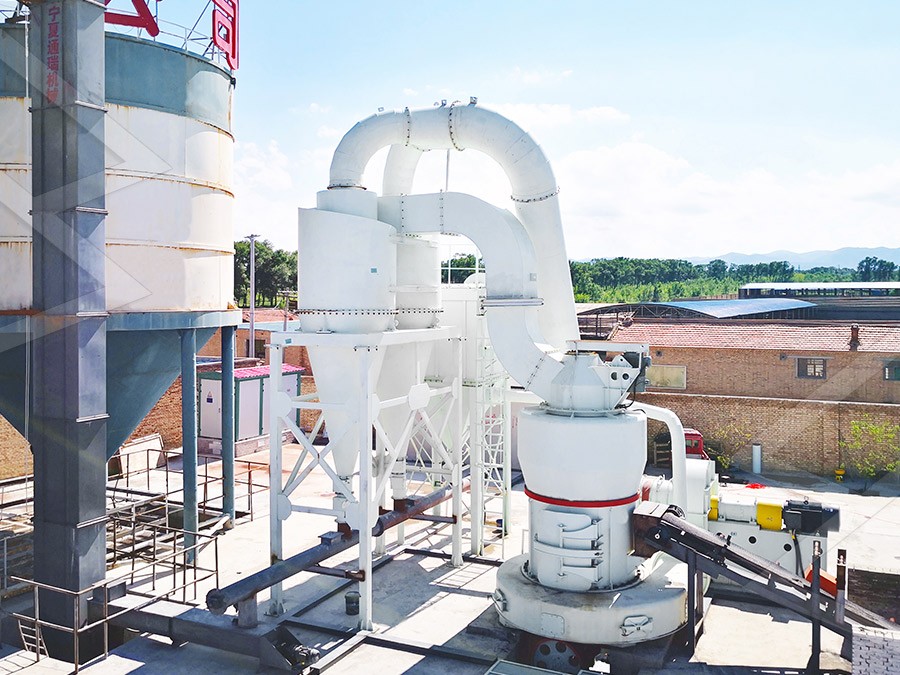
While ball mills are reliable and have a low initial investment, they can be inefficient for achieving very fine grinds (often necessary for maximum gold liberation) and have high energy consumption. For operations looking to enhance their process, our MW Ultrafine Grinding Mill presents a superior solution.
Our MW Ultrafine Grinding Mill is engineered for customers requiring ultra-fine powder. It accepts a feed size of 0-20 mm and offers a capacity range of 0.5-25 tph. A key advantage is its significantly higher efficiency; it provides 40% higher production capacity than jet mills and double the yield of a ball mill, all while consuming 30% less energy. It features an advanced German-designed cage-type powder selector for precise fineness adjustment between 325-2500 meshes. Furthermore, its innovative design eliminates rolling bearings and screws in the grinding chamber, drastically reducing maintenance worries and the risk of machine failure from loose parts. For environmentally conscious operations, it comes equipped with an efficient pulse dust collector and muffler, ensuring a clean and quiet process.
Conclusion
Mastering the ball mill is a fundamental skill in gold processing. By carefully controlling each step from crushing to classification, you can optimize recovery rates. However, for operations focused on efficiency, lower energy costs, and achieving ultra-fine grinds, upgrading to advanced technology like our MW Ultrafine Grinding Mill is a strategic move that can significantly improve your bottom line and operational footprint.