
Cement Ball Mill Operation Video: How It Works & Maintenance Tips
We provide a wide range of mills — including Raymond mill, trapezoidal mill, vertical mill, ultrafine mill, and ball mill, obtained ISO9001 international quality certification, EU CE certification, and Customs Union CU-TR certification. Suitable for processing minerals such as limestone, phosphate, quicklime, kaolin, talc, barite, bentonite, calcium carbonate, dolomite, coal, gypsum, clay, carbon black, slag, cement raw materials, cement clinker, and more.
The discharge range of these mills can be adjusted to meet specific processing needs, typically from 80-400 mesh, 600-3250 mesh, and can achieve the finest particle size of up to 6000 mesh(D50).
If you are looking for a reliable grinding solution to turn stone or minerals into fine powder, please feel free to contact our online customer service.
Cement Ball Mill Operation Video: How It Works & Maintenance Tips
Ever wondered what’s going on inside that massive, rumbling cement ball mill at your plant? You’re not alone. These industrial workhorses are the heart of many grinding operations, but their inner workings can seem like a mystery. Let’s pull back the curtain and break down how a ball mill operates, with some pro tips to keep it running smoothly and efficiently.
How a Ball Mill Works: The Basics
At its core, a ball mill is a relatively simple concept. It’s a large, horizontal, rotating cylinder (the drum) partially filled with grinding media—usually steel balls. The material to be ground (the feed) is fed into one end. As the mill rotates, the balls are lifted up the rising side of the drum and then cascade down, impacting and crushing the material beneath them. The grinding action is a combination of impact (from the falling balls) and attrition (abrasion between the balls and the particles).
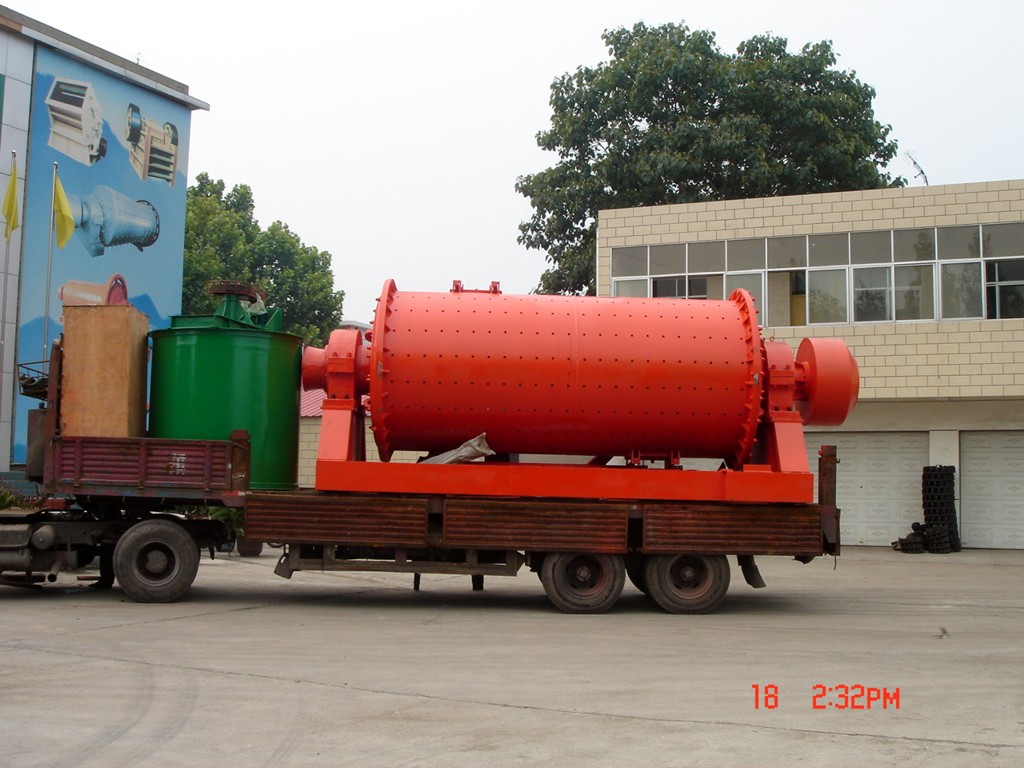
The fineness of the final product is controlled by a few key factors: the speed of rotation, the size and type of grinding media, the feed rate, and the dwell time (how long the material stays inside the mill). It’s a robust and proven technology, but it’s not exactly energy-efficient. A significant amount of power is used just to rotate the heavy drum and lift the grinding balls.
Key Maintenance Tips for Longevity
Keeping your ball mill healthy is all about preventative care. Neglect can lead to costly downtime and repairs. Here’s what to watch:
- Lubrication, Lubrication, Lubrication: The main bearing and pinion gear are critical. Use the correct grade of oil and stick to a strict greasing schedule. Over-lubrication can be as bad as under-lubrication.
- Listen to the Noise: A trained ear can hear problems. A constant, even rumble is good. Metallic clunking or scraping could mean broken liner bolts or damaged lifters. A change in pitch might indicate issues with the gear mesh.
- Check for Wear: Regularly inspect the mill liners and the grinding media. Worn-out liners reduce grinding efficiency and can damage the mill shell. Replacing a liner before it fails completely is far cheaper.
- Monitor Vibration & Temperature: Use vibration analysis tools to detect imbalances or bearing wear early. Also, keep an eye on bearing temperatures; a sudden spike is a major red flag.
- Keep it Clean: Dust is the enemy of all moving parts. Ensure seals are intact and keep the area around the mill clean to prevent contamination of lubricants.
Considering an Upgrade? Think Ultrafine & Vertical
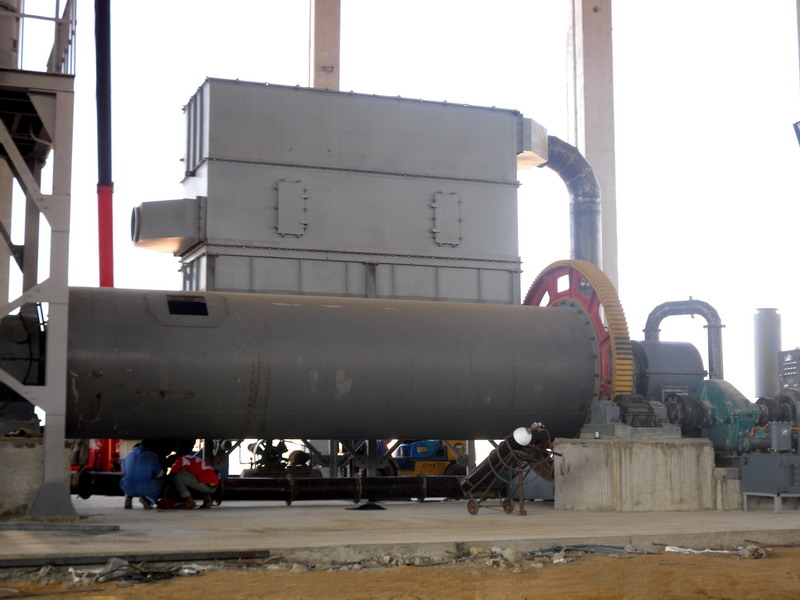
While ball mills are reliable, technology has moved forward. If you’re looking at new projects or need to replace aging equipment, consider the massive gains in efficiency offered by modern designs. For instance, our MW Ultrafine Grinding Mill is a game-changer for producing ultra-fine powder.
This machine is engineered for customers who need to make ultra-fine powder. With an input size of 0-20 mm and a capacity range of 0.5-25 tph, it’s incredibly versatile. It’s equipped with an efficient pulse dust collector and muffler, significantly reducing dust and noise for a much cleaner, more environmentally friendly operation. One of its standout features is the absence of rolling bearings and screws in the grinding chamber, eliminating a major source of maintenance headaches and potential failures. The cage-type powder selector allows you to ajust the fineness between 325-2500 meshes with high precision.
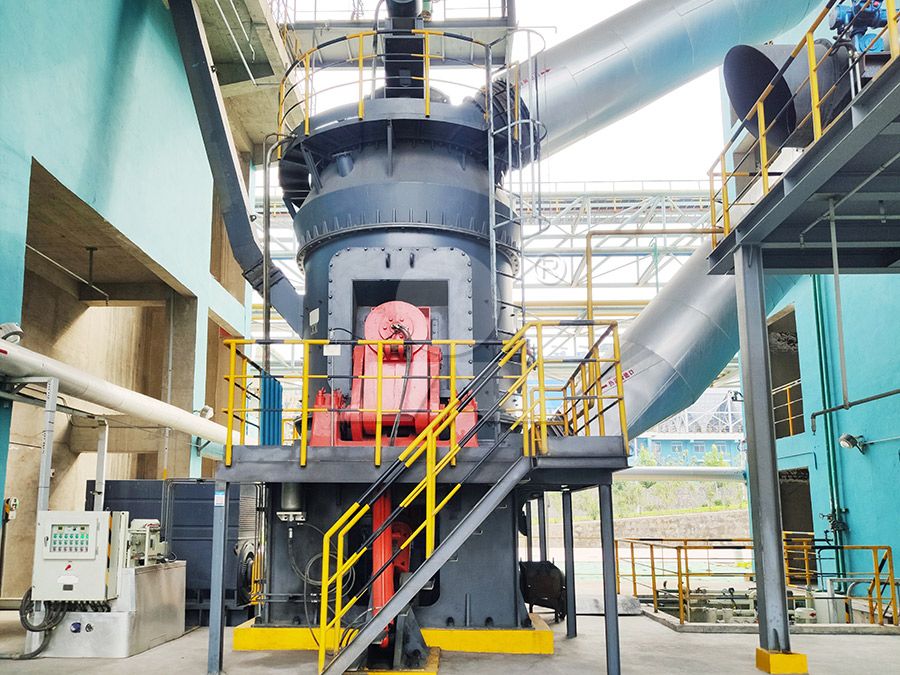
For another powerful option, our LUM Ultrafine Vertical Grinding Mill integrates grinding, grading, and transporting into a single, compact unit. It boasts higher yielding rates and better quality finished product, often reducing energy consumption by 30%-50% compared to traditional mills. Its reversible structure makes maintenance easier and faster, minimizing costly shutdown time.
Conclusion
Understanding your ball mill’s operation is the first step to optimizing its performance and lifespan. Consistent, proactive maintenance is non-negotiable. But also know that newer technologies like our MW and LUM mills offer significant advantages in energy savings, environmental impact, and overall operational efficiency. Sometimes, the best maintenance tip is to upgrade to a more modern and efficient solution.