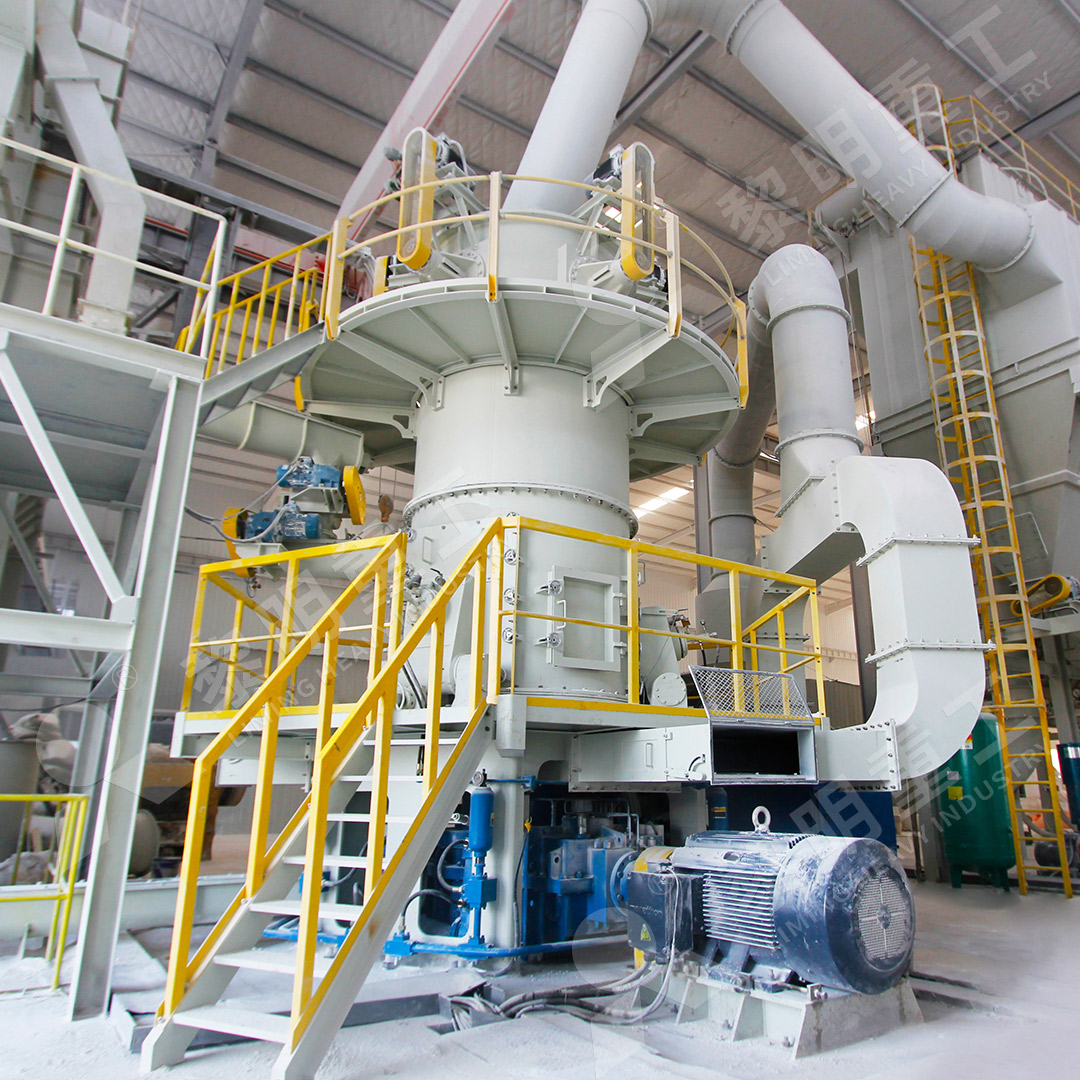
Small Scale Tantalum Ore Milling Equipment: Complete Guide for Processing Tantalite
We provide a wide range of mills — including Raymond mill, trapezoidal mill, vertical mill, ultrafine mill, and ball mill, obtained ISO9001 international quality certification, EU CE certification, and Customs Union CU-TR certification. Suitable for processing minerals such as limestone, phosphate, quicklime, kaolin, talc, barite, bentonite, calcium carbonate, dolomite, coal, gypsum, clay, carbon black, slag, cement raw materials, cement clinker, and more.
The discharge range of these mills can be adjusted to meet specific processing needs, typically from 80-400 mesh, 600-3250 mesh, and can achieve the finest particle size of up to 6000 mesh(D50).
If you are looking for a reliable grinding solution to turn stone or minerals into fine powder, please feel free to contact our online customer service.
Small Scale Tantalum Ore Milling Equipment: Complete Guide for Processing Tantalite
Processing tantalite ore on a smaller scale presents unique challanges that demand precision, efficiency, and reliability from your milling equipment. Tantalum, a critical mineral for electronics and alloys, requires careful extraction to preserve its value and ensure a marketable concentrate. For small to medium-scale operations, selecting the right grinding mill is paramount to profitability and operational sustainability.
Understanding Tantalite Ore and Its Processing Needs
Tantalite ore, often found in association with niobium, is a dense, hard mineral. Effective liberation of the tantalite crystals from the host rock is the first step, followed by fine grinding to achieve the necessary degree of liberation for sucessful physical separation. The abrasive nature of the ore means equipment must be robust, while the need for fine, consistent particle size demands advanced milling technology.
Key Considerations for Small Scale Tantalite Mills
When designing or outfitting a small-scale tantalite milling circuit, several factors are critical:
- Feed Size: Primary crushed ore typically needs to be reduced to below 20mm for efficient fine grinding.
- Capacity: Throughputs for smaller operations often range from 0.5 to 25 tonnes per hour.
- Fineness: Optimal liberation often requires grinding to a fineness between 325 and 2500 meshes.
- Dust Control: Tantalum concentrates are valuable; containing dust is essential for both recovery and operator health.
- Energy Consumption: Grinding is energy-intensive; selecting an efficient mill directly impacts operating costs.
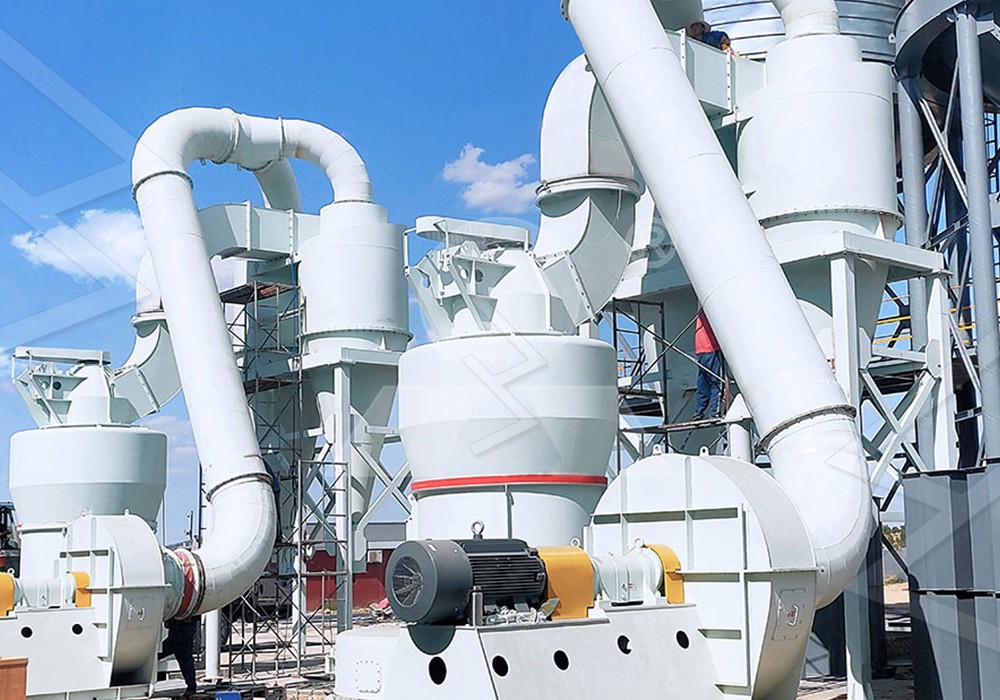
Recommended Equipment: MW Ultrafine Grinding Mill
For operations requiring ultra-fine powder and exceptional efficiency, our MW Ultrafine Grinding Mill is an ideal solution. Designed for customers who need to make ultra-fine powder, this machine is perfectly suited for the precise demands of tantalite concentration.
Key Advantages for Tantalite Processing:
- Higher Yielding, Lower Energy Consumption: Production capacity is 40% higher than jet mills with system energy consumption only 30% of jet milling systems. This is a game-changer for cost-sensitive small operations.
- Adjustable Fineness (325-2500 meshes): Its German-technology cage-type powder selector allows precise control over product fineness, crucial for optimizing tantalite liberation.
- Eco-Friendly Operation: Equipped with an efficient pulse dust collector and muffler, it minimizes dust and noise pollution, keeping your operation clean and compliant.
- Worry-Free Maintenance: With no rolling bearings or screws in the grinding chamber, users avoid common failure points. External lubrication allows for 24/7 operation.
With an input size of 0-20 mm and a capacity range of 0.5-25 tph, the MW Mill fits perfectly into small-scale tantalite circuits, delivering the fine, consistent grind needed for effective downstream separation.
An Alternative Solution: LUM Ultrafine Vertical Grinding Mill
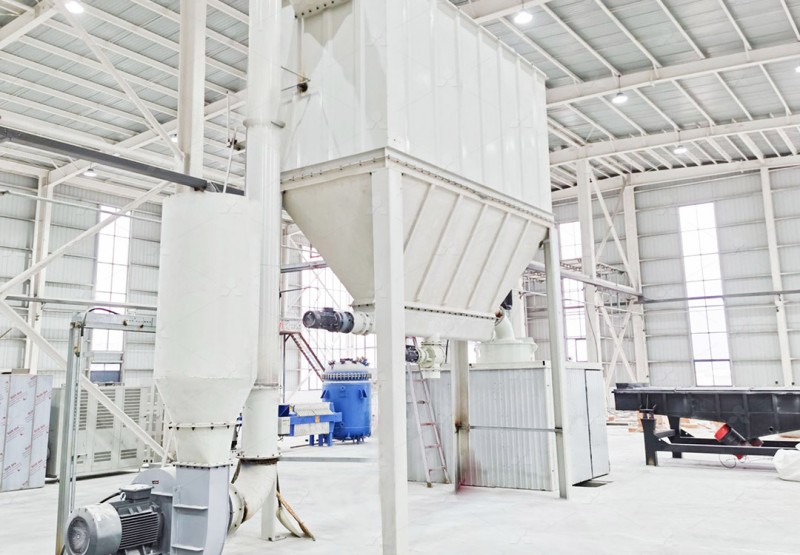
Another excellent option from our portfolio is the LUM Ultrafine Vertical Grinding Mill. Integrating grinding, grading, and transporting, it’s a compact and highly efficient choice. Its unique roller shell and lining plate grinding curve are easier to generate material layer and realize a high rate of finished products by once powder milling, enhancing efficiency and improving the cleanliness of the final tantalite concentrate. With an input size of 0-10mm and capacity of 5-18 tph, it offers great flexibility for different ore feed characteristics.
Building a Successful Small-Scale Operation
Choosing the right mill is just one part of the puzzle. A successful small-scale tantalite operation also requires:
- Proper ore characterization and test work.
- A well-designed flow sheet integrating crushing, grinding, and concentration.
- A focus on operational efficiency and cost control.
- Reliable equipment backed by strong technical support and spare parts availability.
Investing in advanced, right-sized technology like the MW or LUM mills from the start ensures your operation is built on a foundation of efficiency and reliability, maximizing your chances of long-term success in the competitive tantalum market.