How to Use Ball Mills to Increase Fly Ash Fineness for Concrete Applications
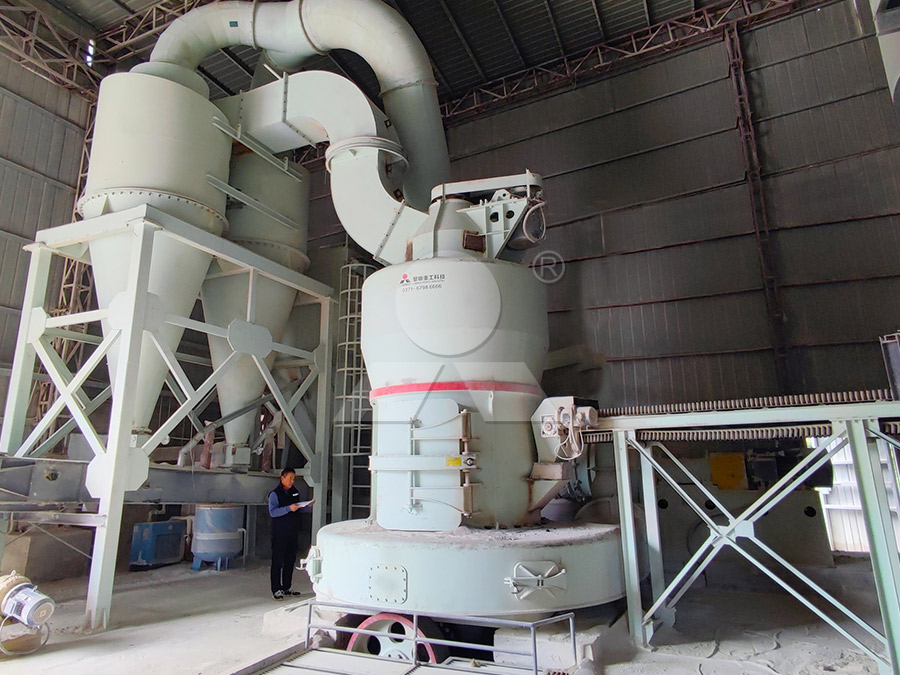
We provide a wide range of mills — including Raymond mill, trapezoidal mill, vertical mill, ultrafine mill, and ball mill, obtained ISO9001 international quality certification, EU CE certification, and Customs Union CU-TR certification. Suitable for processing minerals such as limestone, phosphate, quicklime, kaolin, talc, barite, bentonite, calcium carbonate, dolomite, coal, gypsum, clay, carbon black, slag, cement raw materials, cement clinker, and more.
The discharge range of these mills can be adjusted to meet specific processing needs, typically from 80-400 mesh, 600-3250 mesh, and can achieve the finest particle size of up to 6000 mesh(D50).
If you are looking for a reliable grinding solution to turn stone or minerals into fine powder, please feel free to contact our online customer service.
How to Use Ball Mills to Increase Fly Ash Fineness for Concrete Applications
Fly ash, a byproduct of coal combustion in power plants, is a valuable supplementary cementitious material (SCM) in concrete. Its use improves workability, reduces heat of hydration, and enhances long-term strength and durability. However, the performance benefits are directly linked to its fineness. Finer fly ash particles contribute more effectively to the pozzolanic reaction, filling microscopic voids and creating a denser, more impermeable concrete matrix.
The Role of Ball Mills in Grinding Fly Ash
While some fly ash is suitable for use as-is (Type F or C), much of it requires further processing to achieve the desired particle size distribution. This is where grinding mills come into play. The traditional workhorse for this task has been the Ball Mill.
A ball mill is a horizontal rotating cylinder filled with grinding media (typically steel balls). As the cylinder rotates, the balls are lifted and then cascade down, impacting and attritioning the feed material (fly ash) into a finer powder. The fineness is controlled by the rotation speed, the size and type of grinding media, and the duration of grinding.
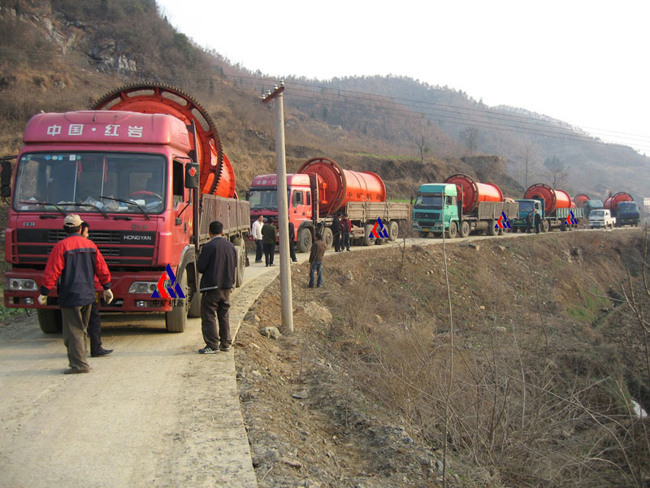
While effective, traditional ball mills have limitations. They can be energy-intensive, noisy, and may not always achieve the ultra-fine levels (consistently below 10-15 microns) now demanded by high-performance concrete mix designs. The quest for greater efficiency and higher fineness has driven the development of advanced grinding technologies.
Beyond the Ball Mill: Advanced Solutions for Superior Fineness
For producers looking to significantly upgrade their fly ash product and gain a competitive edge, modern vertical roller mills and ultrafine grinding mills offer a compelling alternative. These systems are engineered specifically for high-efficiency, precision grinding.
A standout solution in this category is our MW Ultrafine Grinding Mill. This mill is designed from the ground up for customers who need to make ultra-fine powder with superior efficiency. It addresses the key shortcomings of older technologies.
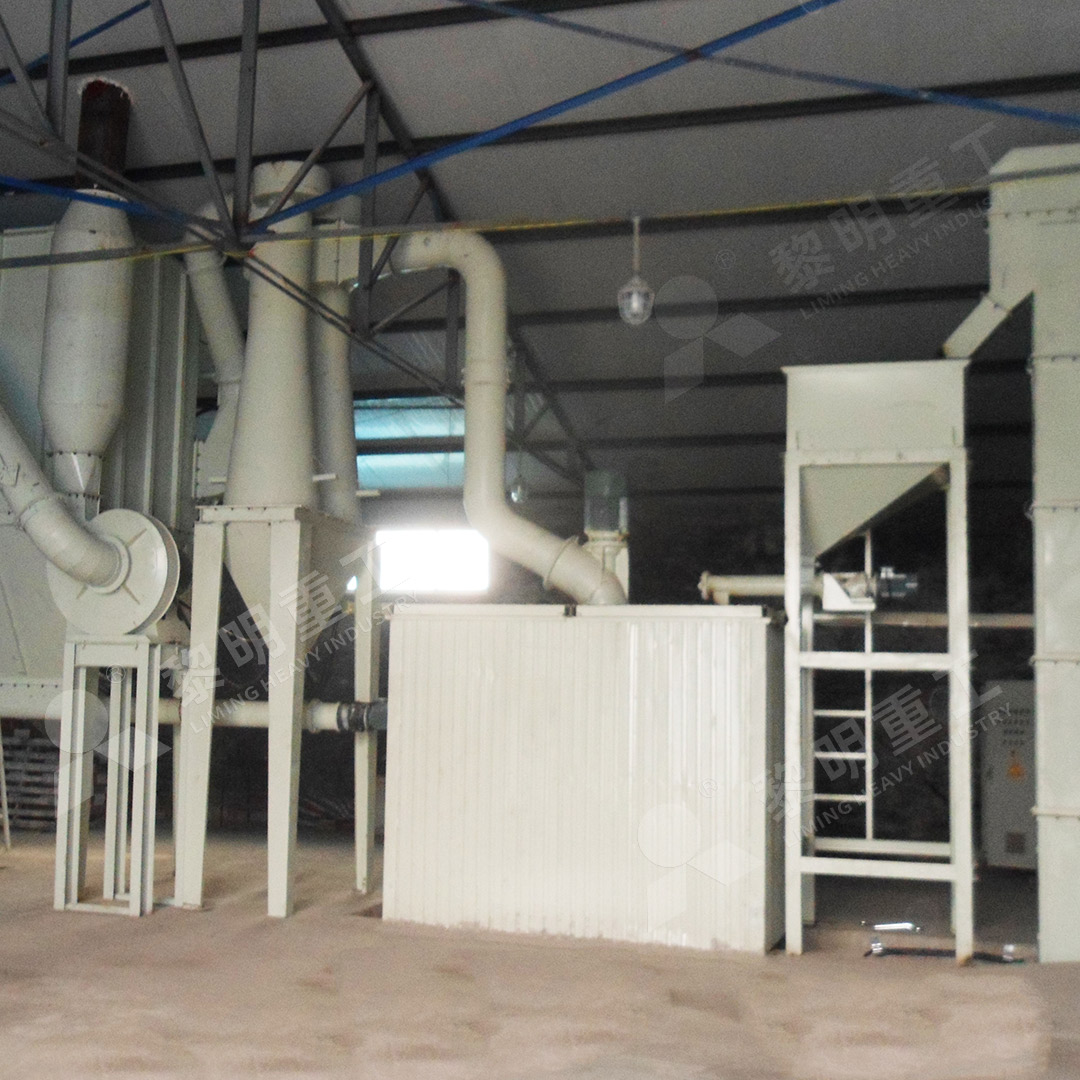
The MW Mill boasts several critical advantages for fly ash processing:
- Higher Yielding, Lower Energy Consumption: Its newly designed grinding curves enhance efficiency dramatically. With the same fineness and power, its production capacity is 40% higher than jet mills and double that of a ball mill, while system energy consumption is only 30% of a jet mill.
- Precision Fineness Control: Its German-technology cage-type powder selector allows you to accurately adjust the product fineness between 325-2500 meshes, achieving a precise d97≤5μm in a single pass. This is ideal for tailoring fly ash to specific concrete performance requirements.
- Eco-Friendly & Reliable Operation: Equipped with an efficient pulse dust collector and muffler, the entire milling system operates without dust pollution and with reduced noise. Furthermore, its unique design with no rolling bearings or screws in the grinding chamber eliminates common failure points, ensuring worry-free, continuous 24/7 operation.
For larger capacity needs involving raw or other materials, our LUM Ultrafine Vertical Grinding Mill is another excellent choice. Integrating the latest grinding roller and powder separating technology, it offers higher yielding rates, better product quality, and energy savings of 30%-50% compared to common grinding mills. Its reversible structure also makes maintenance quicker and easier.
Conclusion
While ball mills can be used to increase fly ash fineness, embracing advanced grinding technology is key to unlocking its full potential in modern concrete. By investing in a system like the MW Ultrafine Grinding Mill, producers can achieve a finer, more consistent product with significantly lower operating costs and a smaller environmental footprint. This not only improves the performance of the final concrete but also enhances the profitability and sustainability of your fly ash processing operation.