
Used Cement Ball Mill Supplier in Indonesia: Price and Selection Guide
We provide a wide range of mills — including Raymond mill, trapezoidal mill, vertical mill, ultrafine mill, and ball mill, obtained ISO9001 international quality certification, EU CE certification, and Customs Union CU-TR certification. Suitable for processing minerals such as limestone, phosphate, quicklime, kaolin, talc, barite, bentonite, calcium carbonate, dolomite, coal, gypsum, clay, carbon black, slag, cement raw materials, cement clinker, and more.
The discharge range of these mills can be adjusted to meet specific processing needs, typically from 80-400 mesh, 600-3250 mesh, and can achieve the finest particle size of up to 6000 mesh(D50).
If you are looking for a reliable grinding solution to turn stone or minerals into fine powder, please feel free to contact our online customer service.
Used Cement Ball Mill Supplier in Indonesia: Price and Selection Guide
Finding a reliable supplier for used cement ball mills in Indonesia can be a daunting task. With the booming construction industry and the constant demand for cement, many plant managers are looking for cost-effective grinding solutions. While a used ball mill can offer significant upfront savings, it’s crucial to understand the market, pricing factors, and, most importantly, the potential alternatives that might offer better long-term value.
The Indonesian Market for Used Ball Mills
The market for used industrial machinery, including ball mills, is quite active in Indonesia. These mills are typically sourced from local plants that are upgrading their equipment or from international sellers. Prices can vary dramatically based on several key factors:
- Age and Condition: A well-maintained 5-year-old mill will cost significantly more than a 15-year-old model requiring immediate refurbishment.
- Capacity: Larger capacity mills (e.g., 50 tph) command a higher price than smaller units (e.g., 10 tph).
- Brand and Origin: European or Japanese-made mills often have a higher resale value due to perceived quality and durability.
- Spare Parts Availability: A mill from a brand with good local parts support is more valuable.
As a rough estimate, prices for a used cement ball mill in Indonesia can range from $150,000 to over $500,000 USD, depending entirely on the factors above. It’s absolutely critical to budget for potential repairs, new liners, and grinding media, which can add 20-50% to the initial purchase price.
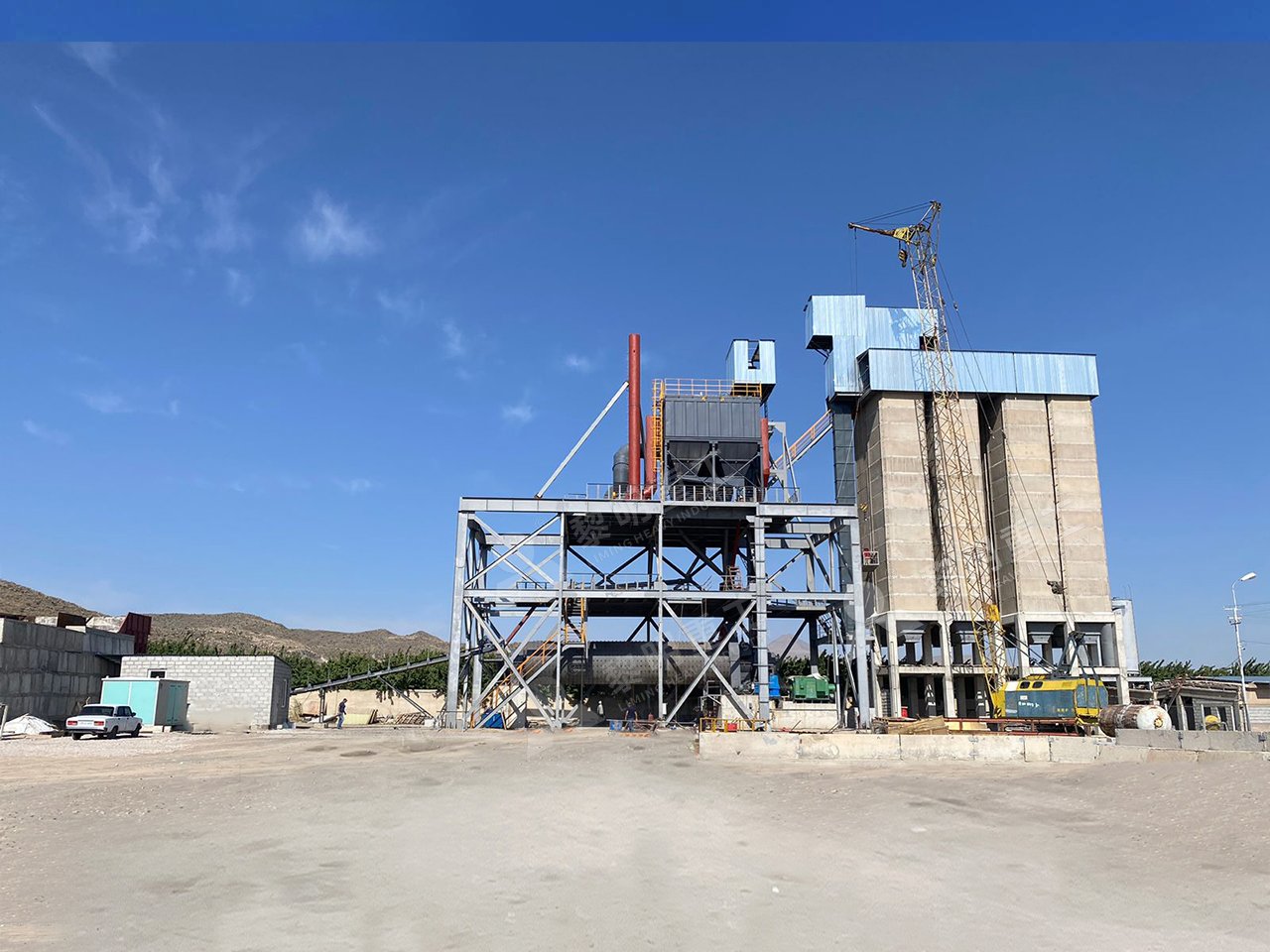
Beyond the Ball Mill: Considering Modern Alternatives
While the low initial investment of a used ball mill is attractive, operational costs are where the real expense lies. Traditional ball mills are notoriously energy-inefficient, with a significant portion of energy being lost as heat and noise. This is where considering modern grinding technology becomes a smart business decision.
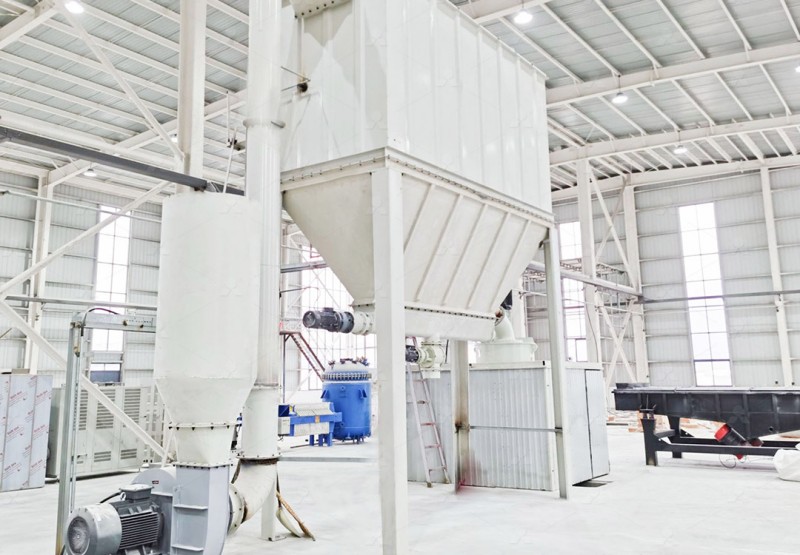
For operations looking to grind limestone, calcite, or other cement-related materials into ultra-fine powder, the MW Ultrafine Grinding Mill presents a superior alternative. This machine is specifically engineered for customers who need to make ultra-fine powder efficiently. With an input size of 0-20 mm and a capacity range of 0.5-25 tph, it offers remarkable flexibility. A key advantage is its eco-friendly design; equipped with an efficient pulse dust collector and muffler, it drastically reduces dust and noise pollution, ensuring your production meets stringent environmental standards. Its higher yielding and lower energy consumption—up to 40% higher capacity than jet mills with only 30% of the energy use—can lead to a faster return on investment compared to running an older, inefficient ball mill.
Making the Right Choice for Your Operation
So, should you buy a used ball mill? The answer depends on your capital budget, risk tolerance, and long-term operational goals.
Choose a used Ball Mill if:
- Your upfront capital is extremely limited.
- You have in-house expertise to maintain and repair older machinery.
- Your product fineness requirements are not extremely high.
Consider a modern alternative like the MW Ultrafine Grinding Mill if:
- You want to minimize long-term energy costs.
- Environmental compliance and a clean worksite are priorities.
- You require consistent, high-precision fineness between 325-2500 meshes.
- You value reliability, minimal maintenance (no screws or bearings in the grinding chamber!), and manufacturer support.
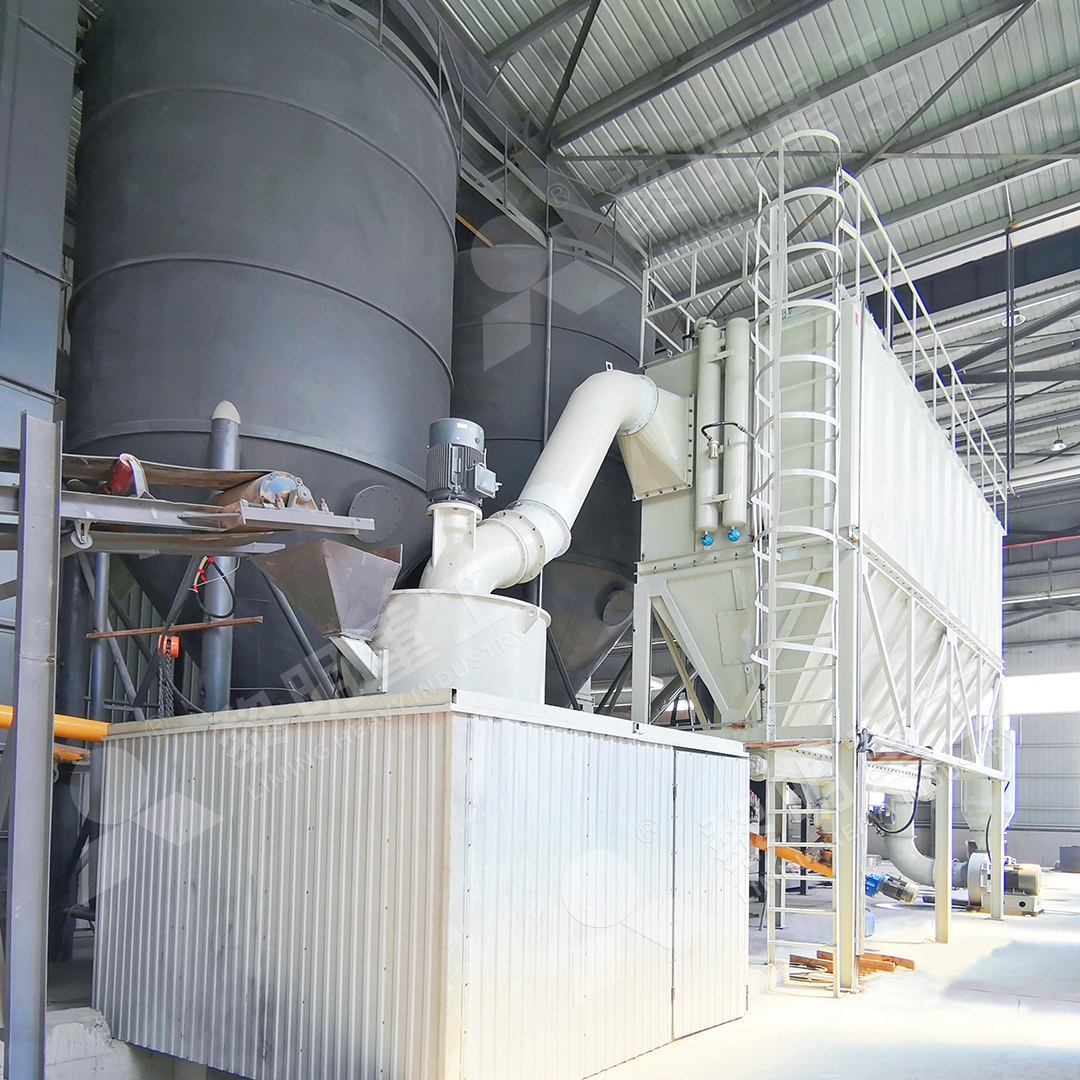
Another excellent option for finer grinding needs is the LUM Ultrafine Vertical Grinding Mill. It integrates grinding, grading, and transporting into a single, efficient unit. With a capacity of 5-18 tph and features like more energy-saving multi-head powder separating technology and a reversible structure for easier maintenance, it represents the forefront of grinding technology, offering efficiency that a second-hand ball mill simply cannot match.
Conclusion
The allure of a used cement ball mill in Indonesia is understandable. However, a thorough total-cost-of-ownership analysis often reveals that investing in newer, more efficient technology like the MW or LUM Ultrafine Grinding Mills is the more profitable and sustainable path forward. By choosing a modern solution, you invest in lower operating costs, higher productivity, and a cleaner production process, ensuring your plant remains competitive for years to come.