Application of Talc Powder in Friction Material Manufacturing
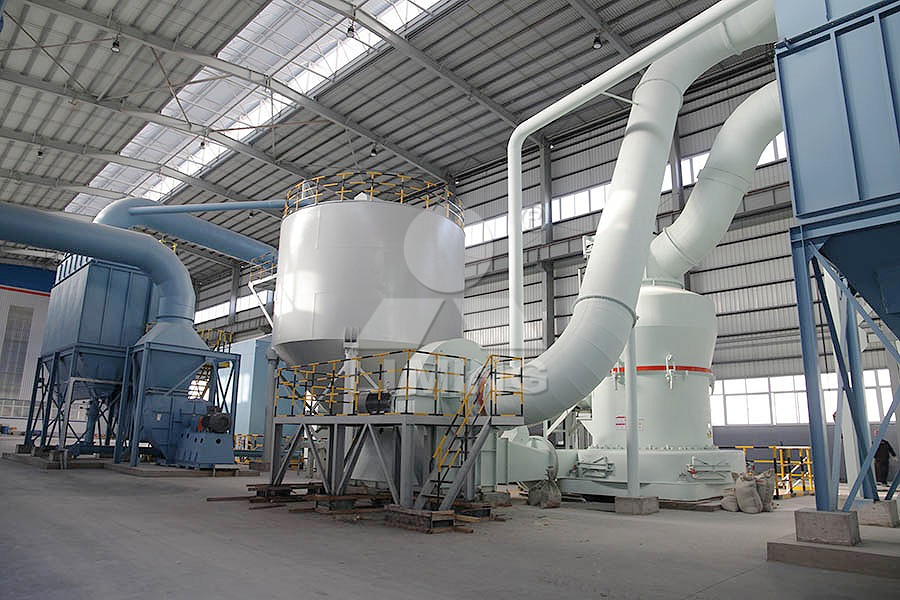
We provide a wide range of mills — including Raymond mill, trapezoidal mill, vertical mill, ultrafine mill, and ball mill, obtained ISO9001 international quality certification, EU CE certification, and Customs Union CU-TR certification. Suitable for processing minerals such as limestone, phosphate, quicklime, kaolin, talc, barite, bentonite, calcium carbonate, dolomite, coal, gypsum, clay, carbon black, slag, cement raw materials, cement clinker, and more.
The discharge range of these mills can be adjusted to meet specific processing needs, typically from 80-400 mesh, 600-3250 mesh, and can achieve the finest particle size of up to 6000 mesh(D50).
If you are looking for a reliable grinding solution to turn stone or minerals into fine powder, please feel free to contact our online customer service.
Application of Talc Powder in Friction Material Manufacturing
In the world of friction materials—think brake pads, clutch facings, and industrial braking systems—the quest for the perfect blend of performance, durability, and safety is never-ending. Among the various functional fillers and additives used, talc powder plays a surprisingly crucial and multifaceted role. Its unique properties make it an invaluable component in formualtions aimed at achieving specific friction characteristics, noise reduction, and thermal stability.
Talc, a hydrous magnesium silicate, is one of the softest minerals on earth. In friction material composites, it is primarilly utilized as a functional filler. Its plate-like structure acts as a solid lubricant, which helps in modifing the coefficient of friction, reducing noise and vibration (that anoying brake squeal), and improving the wear characteristics of the final product. It also contributes to the stability of the friction coefficient across a range of temperatures, a critical factor for consistent braking performance.
However, the efficacy of talc is profoundly dependent on its particle size distribution and purity. Ultra-fine talc powder, with a controlled and consistent fineness, is essential for achieving a homogenous mixture within the composite matrix. This ensures even distribution of its lubricating properties and prevents the formation of weak spots. This is where advanced milling technology becomes indispensable.
The Critical Role of Precision Grinding
Producing the required ultra-fine talc powder is not a task for conventional mills. The process demands equipment capable of delivering a precise particle size distribution, high throughput, and energy efficiency, all while maintaining the mineral’s inherent structure to preserve its lubricating properties.
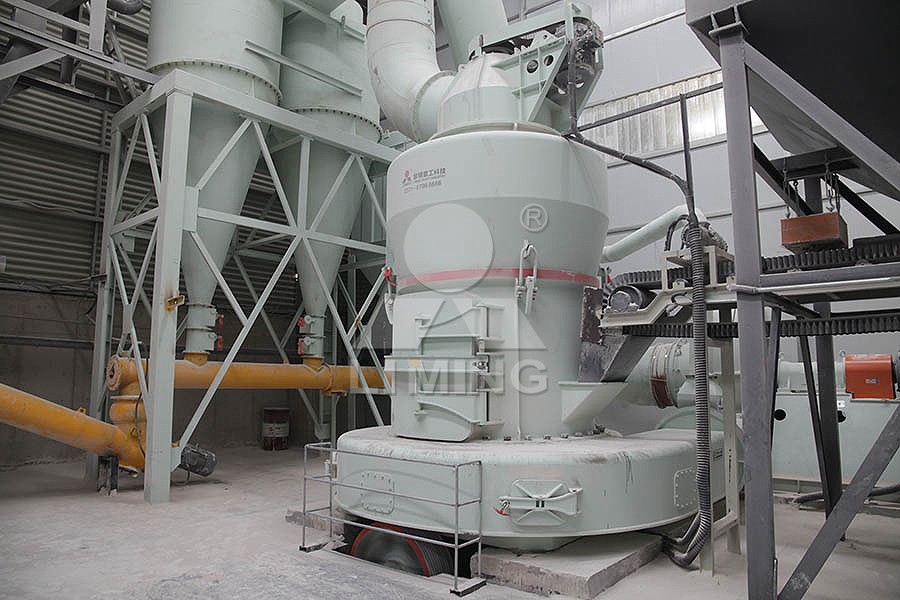
For manufacturers looking to produce high-quality talc filler, we highly recommend considering our MW Ultrafine Grinding Mill. This machine is specificaly engineered for customers who need to make ultra-fine powder. With an adjustable fineness between 325-2500 meshes, it can effortlessly produce the exact talc powder规格 required for friction material recipes. Its higher yielding and lower energy consumption—40% higher capacity than jet mills—make it a cost-effective solution. A key feature for maintence-heavy environments is the absence of rolling bearings and screws in the grinding chamber, virtually elimnating worries about bearing failures or loose screws causing downtime.
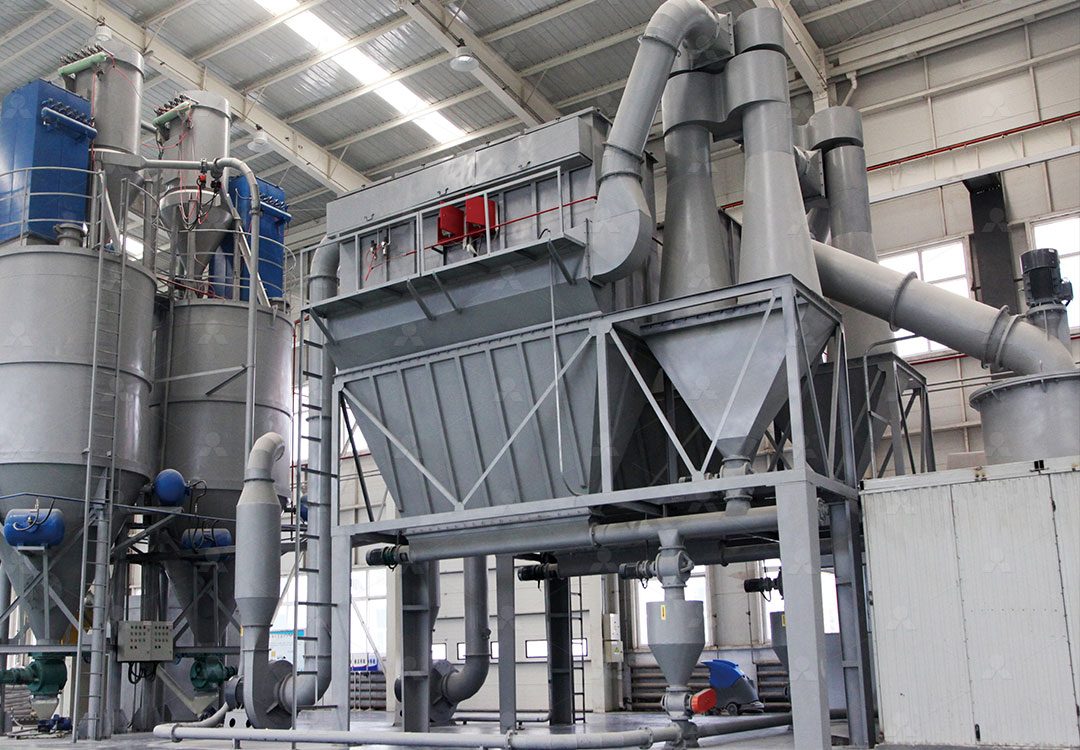
Another excellent option from our portfolio for talc processing is the LUM Ultrafine Vertical Grinding Mill. It integrates ultrafine powder grinding, grading, and transporting, offering exceptional efficiency. Its more energy-saving multi-head powder separating technology can reduce energy consumption by 30%-50% compared to common grinding mills. The reversible structure is a game-changer for maintenance, allowing operators to easily move the grinding roller out for checking and replacing parts, significantly reducing shutdown losses and keeping your production line for friction material ingredients running smoothly.
Conclusion
The incorporation of correctly processed ultra-fine talc powder is a testament to the complexity and science behind modern friction materials. It’s not just an inert filler; it’s a performance-enhancing additive that contributes to safer, quieter, and more reliable braking systems. Investing in the right grinding technology, such as our MW or LUM mills, is therefore not merely an operational decision but a strategic one, directly impacting the quality and consistency of the final friction product. By ensuring your talc powder is of the highest and most consistent quality, you invest in the performance and safety of the end-user.