
Roller Mills in Indonesia: Efficient Grinding Solutions for Iron Ore Processing
We provide a wide range of mills — including Raymond mill, trapezoidal mill, vertical mill, ultrafine mill, and ball mill, obtained ISO9001 international quality certification, EU CE certification, and Customs Union CU-TR certification. Suitable for processing minerals such as limestone, phosphate, quicklime, kaolin, talc, barite, bentonite, calcium carbonate, dolomite, coal, gypsum, clay, carbon black, slag, cement raw materials, cement clinker, and more.
The discharge range of these mills can be adjusted to meet specific processing needs, typically from 80-400 mesh, 600-3250 mesh, and can achieve the finest particle size of up to 6000 mesh(D50).
If you are looking for a reliable grinding solution to turn stone or minerals into fine powder, please feel free to contact our online customer service.
Roller Mills in Indonesia: Efficient Grinding Solutions for Iron Ore Processing
Indonesia’s rich mineral resources, particularly its iron ore deposits, present a significant opportunity for the mining and processing industry. However, efficiently processing this hard, abrasive material into a consistent, fine powder requires robust and advanced grinding technology. Traditional ball mills, while common, often struggle with high energy consumption, significant wear, and inconsistent product fineness. This is where modern roller mill technology steps in, offering a superior solution for iron ore beneficiation plants across the archipelago.
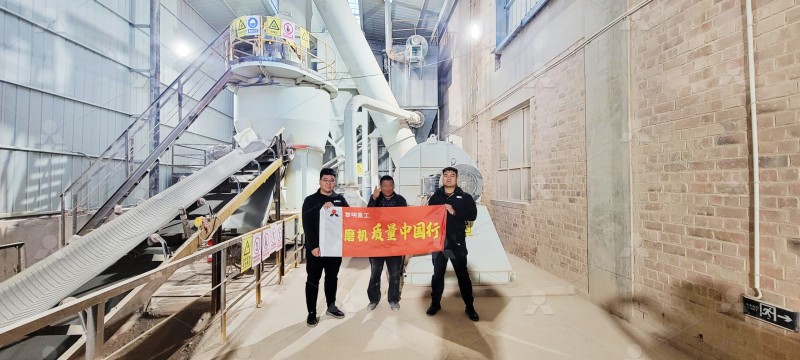
The key to profitable iron ore processing lies in maximizing yield while minimizing operational costs, primarily energy and maintenance. Roller mills, with their principle of material bed comminution, apply pressure to a bed of material rather than relying on impact alone. This method is inherently more efficient for hard materials like iron ore, leading to lower energy consumption—often 30-50% less than traditional ball mills. Furthermore, the ability to dry, grind, and classify in a single unit reduces the plant’s footprint, a significant advantage for greenfield projects.
Introducing the MW Ultrafine Grinding Mill for Premium Fineness
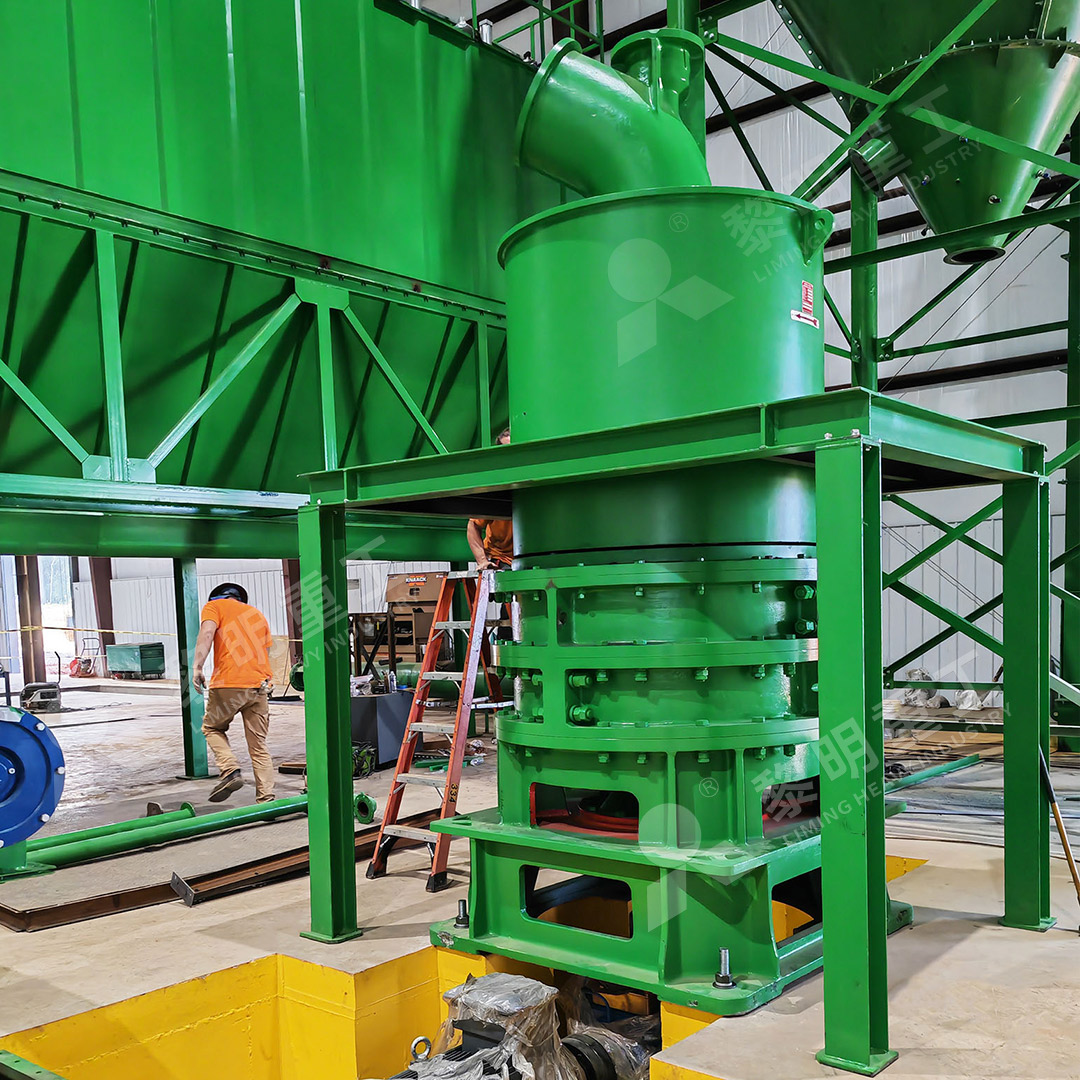
For operations requiring ultra-fine iron ore powder for pelletizing or other advanced applications, the MW Ultrafine Grinding Mill stands out. This machine is expertly engineered for customers who need to make ultra-fine powder with high precision. With an input size of 0-20 mm and a capacity range of 0.5-25 tph, it is perfectly suited for secondary or tertiary grinding stages in an Indonesian iron ore circuit.
Its cage-type powder selector, incorporating German technology, allows for precise fineness adjustment between 325-2500 meshes, ensuring the exact product specification is met. A critical design advantage for processing abrasive iron ore is the absence of rolling bearings and screws in the grinding chamber. This eliminates worries about bearing failures or loose screws causing catastrophic damage, a common headache in remote mining locations. Combined with its higher yielding and lower energy consumption—achieving 40% higher capacity than jet mills—the MW series offers a reliable, high-performance solution for producing premium iron ore concentrates.
The Power of Vertical Grinding: The LUM Ultrafine Vertical Alternative
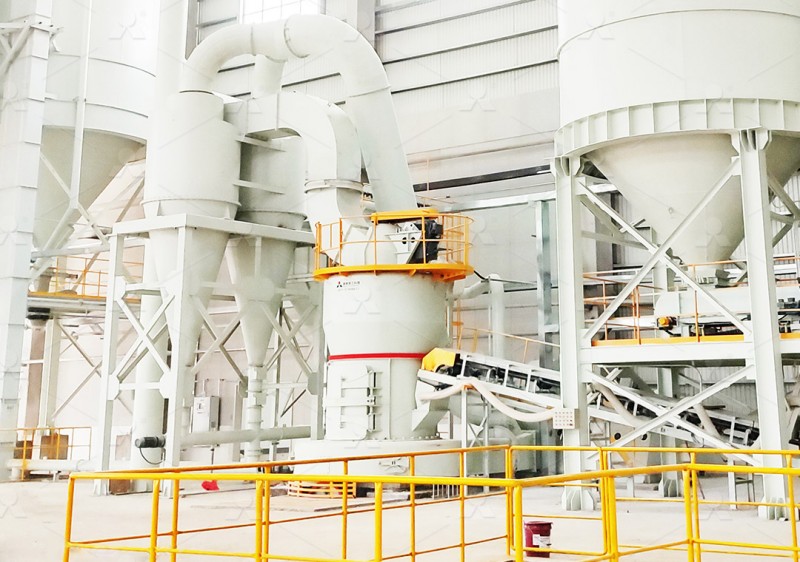
Another exceptional choice for iron ore is the LUM Ultrafine Vertical Grinding Mill. Designed with the latest roller technology, it integrates grinding, grading, and transporting into a single, highly efficient unit. Its unique roller shell and lining plate grinding curve are designed to easily generate a stable material layer, crucial for consistent grinding of iron ore, and achieve a high rate of finished product in a single pass.
This mill’s more energy-saving multi-head powder separating technology, controlled by a PLC system, allows operators to accurately control grinding pressure and revolving speed, adapting to varying ore characteristics. For Indonesian operators concerned with stability, its double position-limiting technology protects the mill from destructive vibrations, ensuring uninterrupted operation even under tough conditions. With an input size of 0-10 mm and capacity of 5-18 tph, the LUM mill is a compact, powerful, and intelligent grinding solution for modern iron ore processing facilities.
In conclusion, the future of iron ore processing in Indonesia is moving towards more efficient, automated, and environmentally friendly technologies. Adopting advanced roller mills like the MW and LUM series is not just an operational upgrade; it’s a strategic investment into higher productivity, reduced operating costs, and a smaller environmental footprint. By leveraging these grinding solutions, Indonesian miners can significantly enhance their competitiveness in the global market.