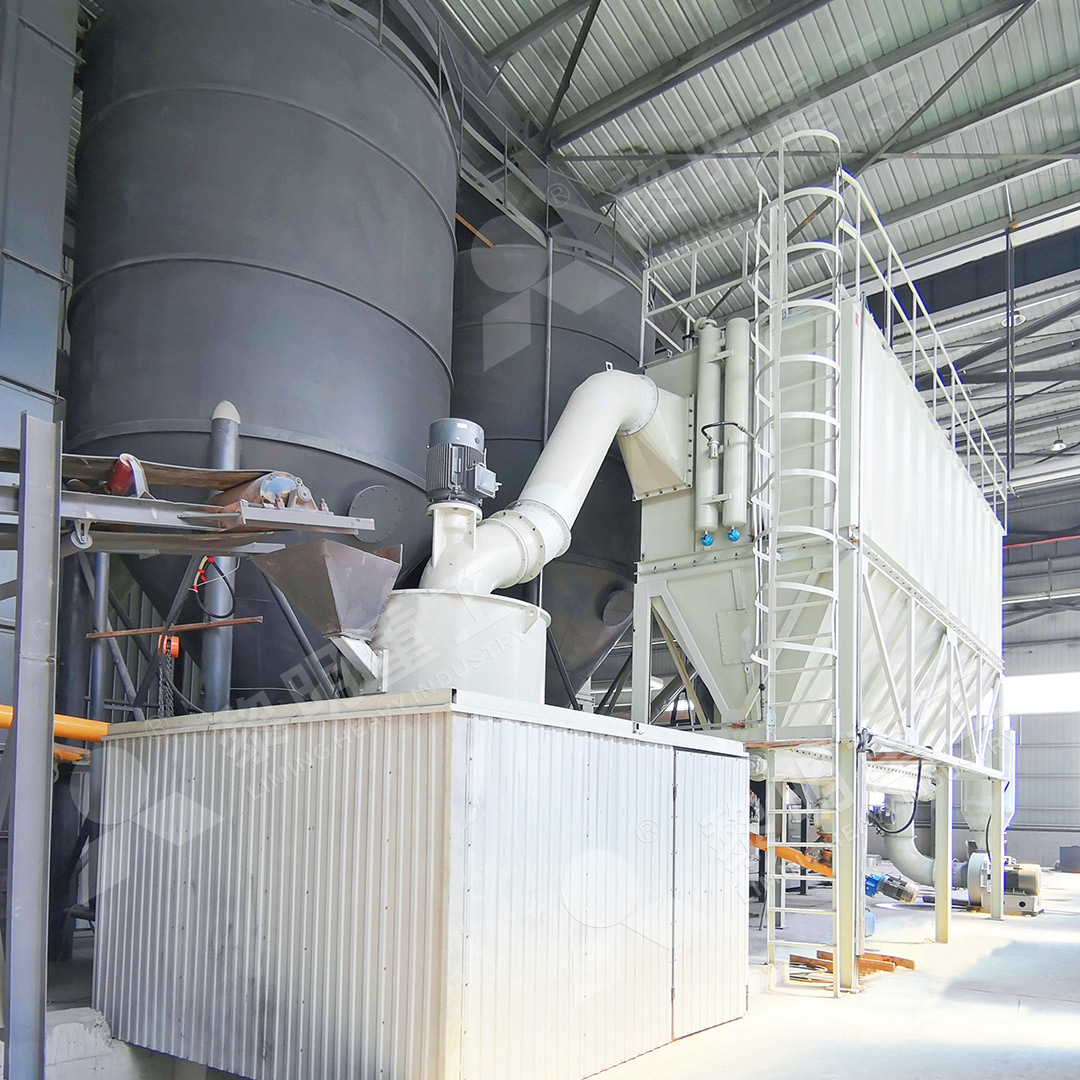
How Much Does a Small Grinding Mill Cost? A Detailed Price Guide
We provide a wide range of mills — including Raymond mill, trapezoidal mill, vertical mill, ultrafine mill, and ball mill, obtained ISO9001 international quality certification, EU CE certification, and Customs Union CU-TR certification. Suitable for processing minerals such as limestone, phosphate, quicklime, kaolin, talc, barite, bentonite, calcium carbonate, dolomite, coal, gypsum, clay, carbon black, slag, cement raw materials, cement clinker, and more.
The discharge range of these mills can be adjusted to meet specific processing needs, typically from 80-400 mesh, 600-3250 mesh, and can achieve the finest particle size of up to 6000 mesh(D50).
If you are looking for a reliable grinding solution to turn stone or minerals into fine powder, please feel free to contact our online customer service.
How Much Does a Small Grinding Mill Cost? A Detailed Price Guide
So, you’re in the market for a small grinding mill? That’s a smart move for many operations, but the first question that always pops up is: how much is this gonna set me back? The truth is, there’s no single answer. The cost of a small grinding mill can vary wildly, from a few thousand dollars for a basic Raymond mill to over $100,000 for a high-tech, high-capacity ultrafine system. It all depends on what you need it to do.
Key Factors That Influence The Price
Before you even look at price tags, you gotta understand what you’re paying for. Here’s what drives the cost:
- Capacity (tph): This is a big one. A mill that handles 1 ton per hour will cost significantly less than one that processes 25 tph.
- Fineness (Mesh): Need ultra-fine powder down to 2500 mesh? That requires more advanced technology (and a bigger budget) than grinding to 200 mesh.
- Material Hardness & Properties: Grinding abrasive materials like quartz will wear parts out faster, so you might need a more robust (and expensive) mill built with better wear-resistant alloys.
- Technology & Features: Does it have advanced digital controls? An ultra-efficient powder separator? Eco-friendly dust collection systems? All these add value and cost.
- Brand & Support: A reputable manufacturer that offers full technical support and a ready supply of genuine spare parts might have a higher upfront cost but saves you from massive headaches and downtime later.
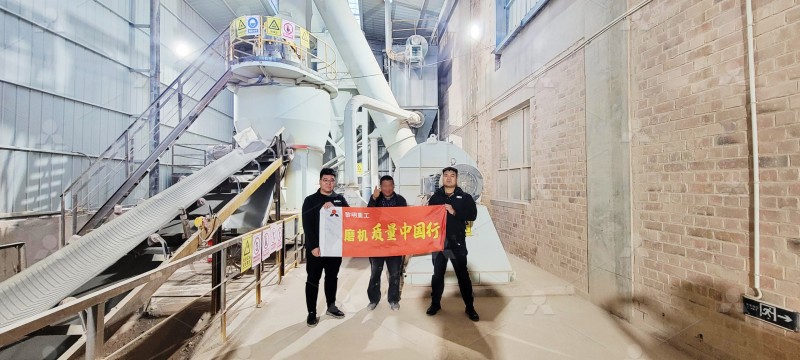
Spotlight on a Top Performer: The MW Ultrafine Grinding Mill
If your operation demands ultra-fine powders without compromising on efficiency or environmental standards, you should seriously consider the MW Ultrafine Grinding Mill. This isn’t your granddad’s grinder; it’s a precision-engineered machine designed for modern production needs.
Here’s why it stands out and how its features justify its position in the market:
- Higher Yielding, Lower Energy Consumption: This mill is a beast on efficiency. Its newly designed grinding curves can boost production capacity by up to 40% compared to some other mill types, all while slashing system energy consumption by about 30%. That means you produce more for less, saving big on operational costs over time.
- Adjustable Fineness (325-2500 meshes): Its German-tech cage-type powder selector lets you dial in the exact fineness you need, up to an incredibly fine 2500 meshes, with a precision screening rate of d97≤5μm. This versatility is a huge plus for operations that work with multiple products.
- Worries? What worries? A genius design feature is the absence of rolling bearings and screws inside the grinding chamber. This eliminates a major source of mechanical failure. Plus, external lubrication means you can perform maintenance without shutting down for 24-hour production runs.
- Eco-Friendly Operation: It comes equipped with an efficient pulse dust collector and silencer, making sure your entire milling process meets strict national environmental protection standards. No dust, less noise—happy neighbors and happy regulators.
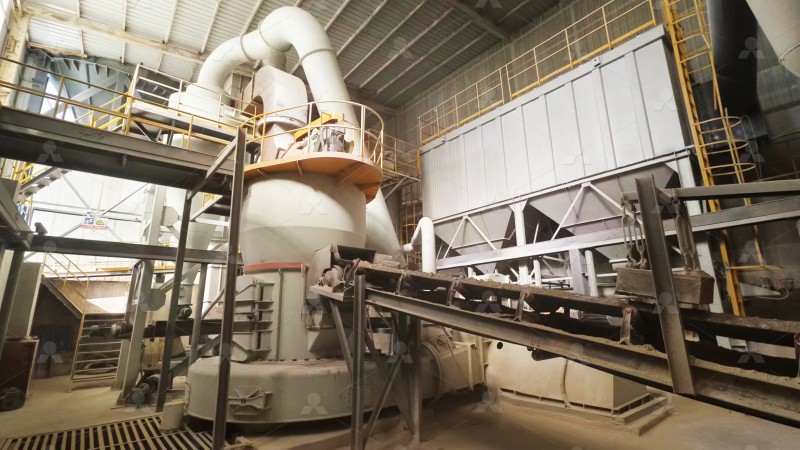
Ballpark Price Ranges: What Can You Expect?
Let’s get down to brass tacks. Remember, these are rough estimates and final quotes depend on configuration.
- Entry-Level (e.g., Small Raymond Mill): For smaller capacities (<5 tph) and coarser fineness. Ideal for small workshops. ~$15,000 – $40,000
- Mid-Range (e.g., European Trapezium Mills): Offers a great balance of capacity, fineness, and advanced features like dilute oil lubrication. ~$50,000 – $100,000
- High-End (e.g., MW Ultrafine Mill): For high-capacity, ultra-fine grinding with top-tier efficiency and environmental controls. This is where the MW series sits. ~$80,000 – $200,000+
Pro Tip: Don’t just look at the purchase price! Consider the Total Cost of Ownership (TCO). A slightly more expensive mill that is energy-efficient and has low wear-part costs (thanks to features like those on the MW Mill) will be far cheaper to run over 5 years.
Making the Right Investment
Choosing a grinding mill is a significant decision. It’s not just about the initial investment but about finding a reliable partner for your production line. You need a machine that won’t constantly break down, one that is efficient to run, and one from a supplier that can support you with technical expertise and original spare parts to ensure worry-free operation for years to come.
For operations that require precision, efficiency, and reliability in the ultrafine grinding space, the MW Ultrafine Grinding Mill represents a compelling investment that pays for itself through superior performance and lower operating costs. Always request a detailed quote based on your specific material and production requirements to get the most accurate picture.