
Primary Crusher and Secondary Grinding with Roller Mill Preheat Process
We provide a wide range of mills — including Raymond mill, trapezoidal mill, vertical mill, ultrafine mill, and ball mill, obtained ISO9001 international quality certification, EU CE certification, and Customs Union CU-TR certification. Suitable for processing minerals such as limestone, phosphate, quicklime, kaolin, talc, barite, bentonite, calcium carbonate, dolomite, coal, gypsum, clay, carbon black, slag, cement raw materials, cement clinker, and more.
The discharge range of these mills can be adjusted to meet specific processing needs, typically from 80-400 mesh, 600-3250 mesh, and can achieve the finest particle size of up to 6000 mesh(D50).
If you are looking for a reliable grinding solution to turn stone or minerals into fine powder, please feel free to contact our online customer service.
Primary Crusher and Secondary Grinding with Roller Mill Preheat Process
In modern mineral processing and powder production, the efficiency of the initial size reduction and subsequent grinding stages is paramount. The process typically begins with a primary crusher, which reduces large raw materials to a manageable size, often around 0-20mm. This material is then fed into a secondary grinding system for further refinement. A critical innovation in enhancing the efficiency of this secondary stage is the integration of a preheat process, particularly when using advanced roller mill technology.
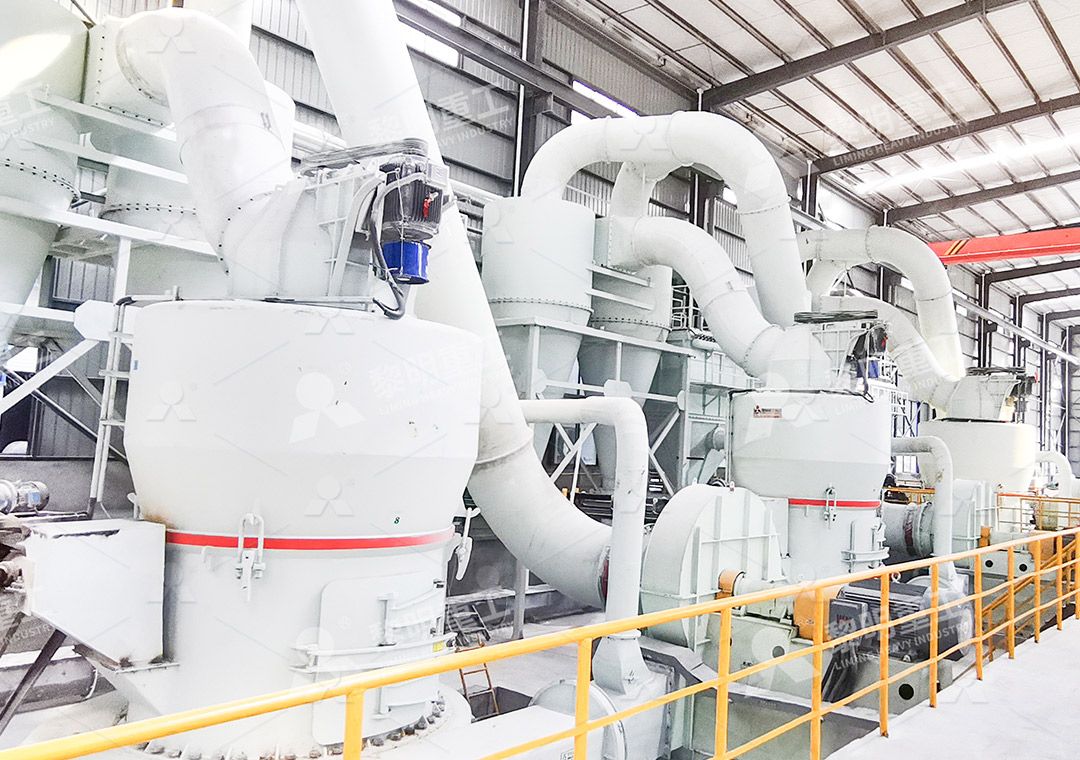 The primary crusher, often a jaw or gyratory crusher, handles the brute force work. Its main goal is to achieve a consistent feed size for the downstream mills. Consistency here is key; an uneven feed can cause significant issues in the grinding circuit, leading to inefficiencies and increased wear. Once the material is crushed, it’s conveyed to the grinding circuit.
This is where the secondary grinding mill takes over. For ultra-fine powder production, traditional ball mills are often being replaced by more efficient vertical roller mills or specialized ultrafine grinders. The integration of a preheat process before the grinding stage can be a game-changer, especially for moisture-containing materials. Preheating the feed material using waste heat from other plant processes (like kiln exhaust gasses) drives off surface moisture. This dry, pre-warmed material is significantly easier to grind, directly translating to lower energy consumption and higher throughput in the mill itself.
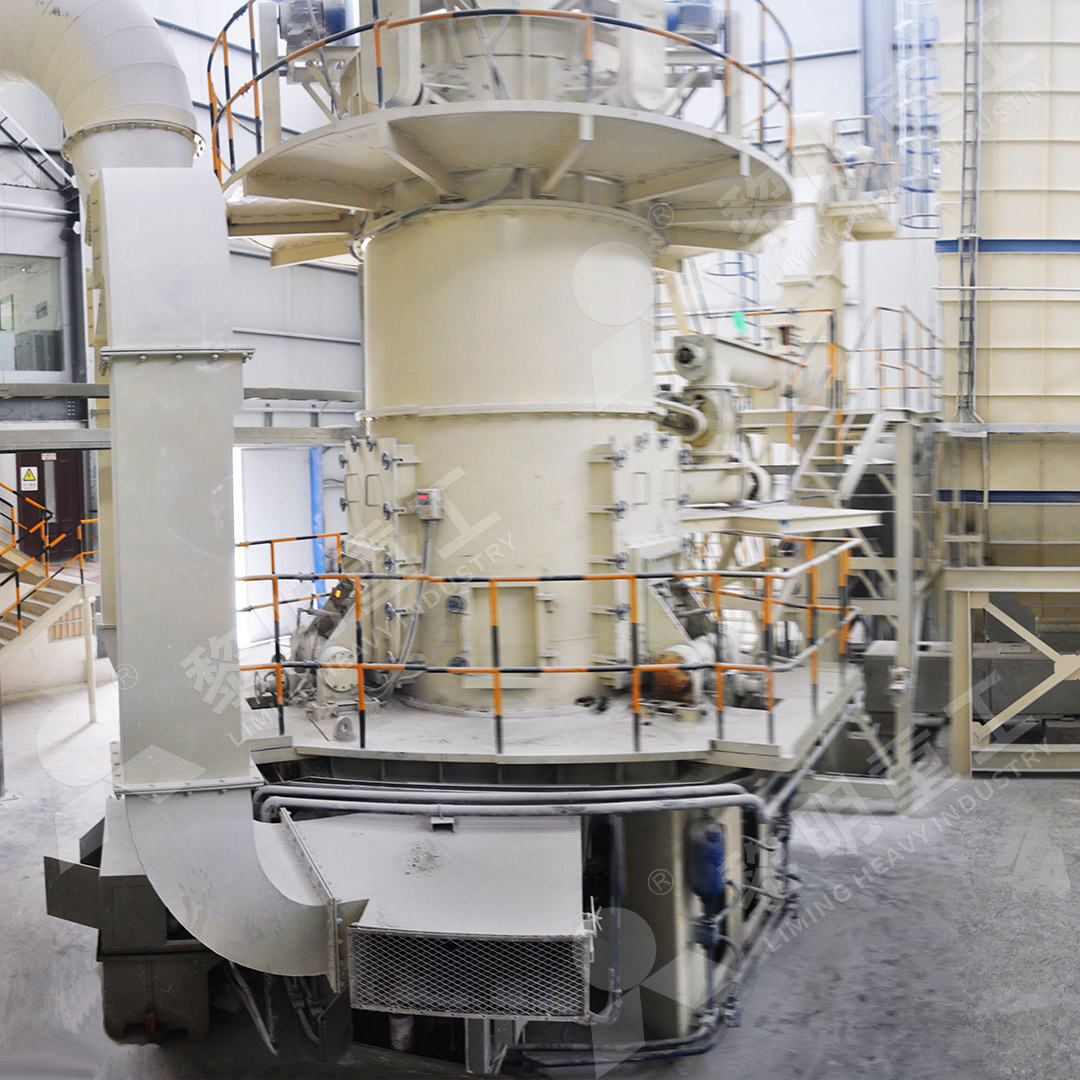 When selecting equipment for this secondary grinding stage, especially for producing ultra-fine powders between 325-2500 meshes, our MW Ultrafine Grinding Mill is an exceptional choice. Designed for customers needing to make ultra-fine powder, this machine is a workhorse. It accepts a feed size of 0-20 mm and offers a capacity range of 0.5-25 tph. Its design incorporates several key features that align perfectly with an optimized preheat and grind process. The newly designed grinding curves of the roller and ring enhance efficiency, offering 40% higher capacity than jet mills with 30% lower system energy consumption—a perfect synergy with preheating’s energy-saving goals.
Furthermore, the MW Mill’s cage-type powder selector allows for precise fineness adjustment, crucial for high-value products. A significant advantage for maintenance and reliability in a continuous operation is its design: there are no rolling bearings or screws in the grinding chamber. This eliminates common failure points and allows for external lubrication without shutdown, supporting 24/7 production alongside a preheat system that also runs continuously. The efficient pulse dust collector ensures the entire operation, from preheat to grinding, remains environmentally friendly.
For operations requiring a different approach, our LUM Ultrafine Vertical Grinding Mill is another premier option. It handles a slightly smaller feed (0-10mm) with capacities from 5-18 tph. Its unique roller shell and lining plate grinding curve are designed to easily generate a material layer, enabling a high rate of finished product in a single pass. Its PLC control system and multi-head powder separating technology allow for precise control over grinding pressure and speed, reducing energy consumption by 30%-50% compared to common grinding mills.
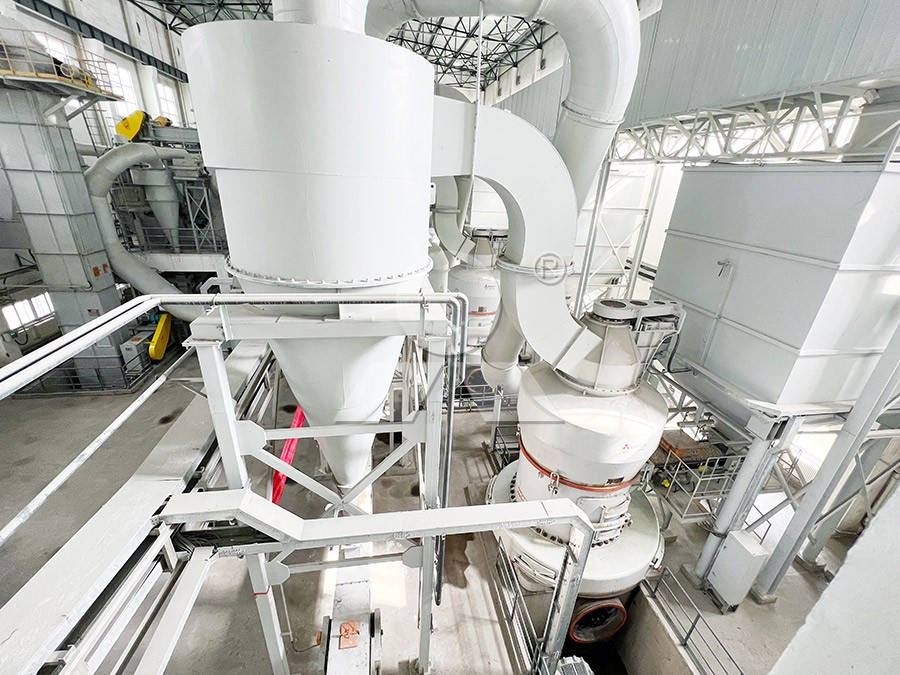 In conclusion, the combination of a robust primary crusher, an efficient preheat process, and a high-performance secondary roller mill like the MW or LUM series creates a powerful, energy-efficient production line. This setup maximizes yield, minimizes operational costs, and ensures the production of consistently high-quality ultra-fine powders for a wide range of demanding industries.