
Vertical Mill for Slag Grinding: Process and Benefits
We provide a wide range of mills — including Raymond mill, trapezoidal mill, vertical mill, ultrafine mill, and ball mill, obtained ISO9001 international quality certification, EU CE certification, and Customs Union CU-TR certification. Suitable for processing minerals such as limestone, phosphate, quicklime, kaolin, talc, barite, bentonite, calcium carbonate, dolomite, coal, gypsum, clay, carbon black, slag, cement raw materials, cement clinker, and more.
The discharge range of these mills can be adjusted to meet specific processing needs, typically from 80-400 mesh, 600-3250 mesh, and can achieve the finest particle size of up to 6000 mesh(D50).
If you are looking for a reliable grinding solution to turn stone or minerals into fine powder, please feel free to contact our online customer service.
Vertical Mill for Slag Grinding: Process and Benefits
In the world of industrial milling, the efficient processing of slag—a byproduct of steel and iron production—has become a critical operation for both economic and environmental reasons. Vertical mills have emerged as the superior technology for this demanding task, offering a range of benefits over traditional ball mills. The process involves drying, grinding, and classifying the slag within a single, compact unit, transforming a waste material into a valuable product known as ground granulated blast furnace slag (GGBFS), which is a key component in high-performance cement and concrete.
The Grinding Process: Efficiency in Motion
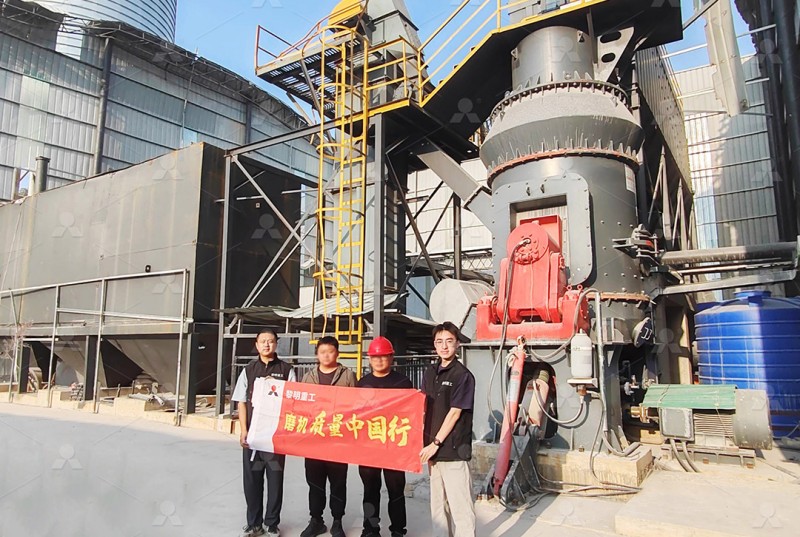
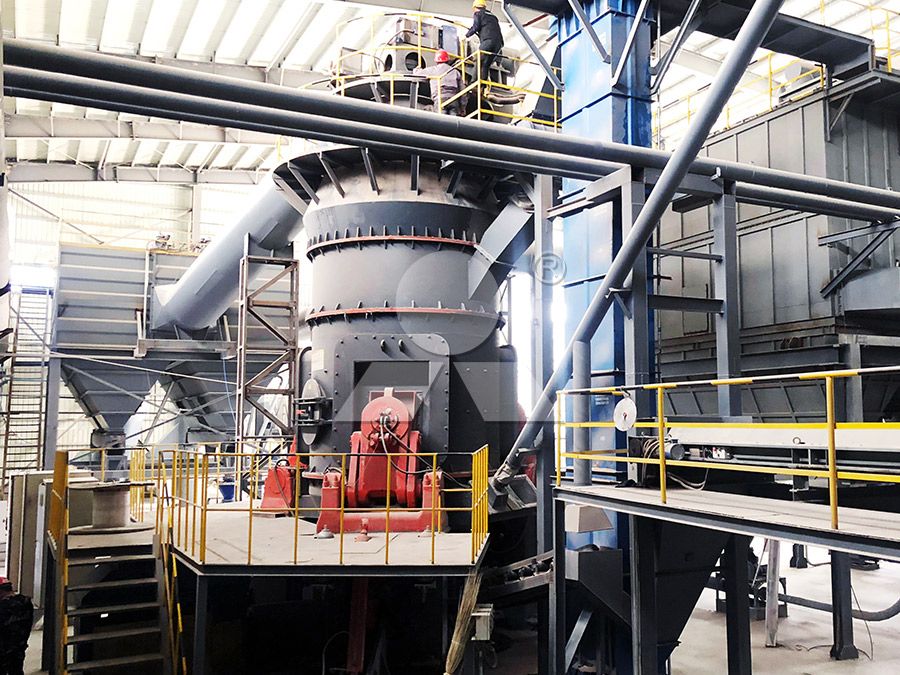
The core of the vertical mill’s advantage lies in its working principle. Material, in this case slag with an input size typically between 38-65mm, is fed onto the center of a rotating grinding table. Centrifugal force throws the material outward under the path of heavy, hydraulically pressurized grinding rollers. The slag is crushed and ground on the table before being carried by an upward stream of hot air into an integral classifier. This air stream also serves to dry the material, a crucial step for slag. The classifier ensures only particles of the desired fineness exit the mill to be collected in a baghouse, while coarser particles fall back for further grinding. This creates a highly efficient, continuous, and closed-loop system.
Key Benefits of Vertical Slag Mills
- Significant Energy Savings: Vertical mills consume 30% to 40% less energy compared to traditional ball mill systems, a massive reduction in operational costs.
- Compact Footprint: Their vertical design and integration of multiple processes mean they occupy about 50% of the space required by a ball mill system.
- Higher Grinding Efficiency: The direct grinding onto the table with roller pressure is far more efficient than the impact and attrition of tumbling balls.
- Superior Product Quality: They produce a powder with uniform fineness, excellent particle size distribution, and low iron content, enhancing the quality of the final GGBFS.
- Environmental Friendliness: The entire system operates under negative pressure, preventing dust emissions. Noise levels are also considerably lower.
Choosing the Right Equipment: Our Recommendation
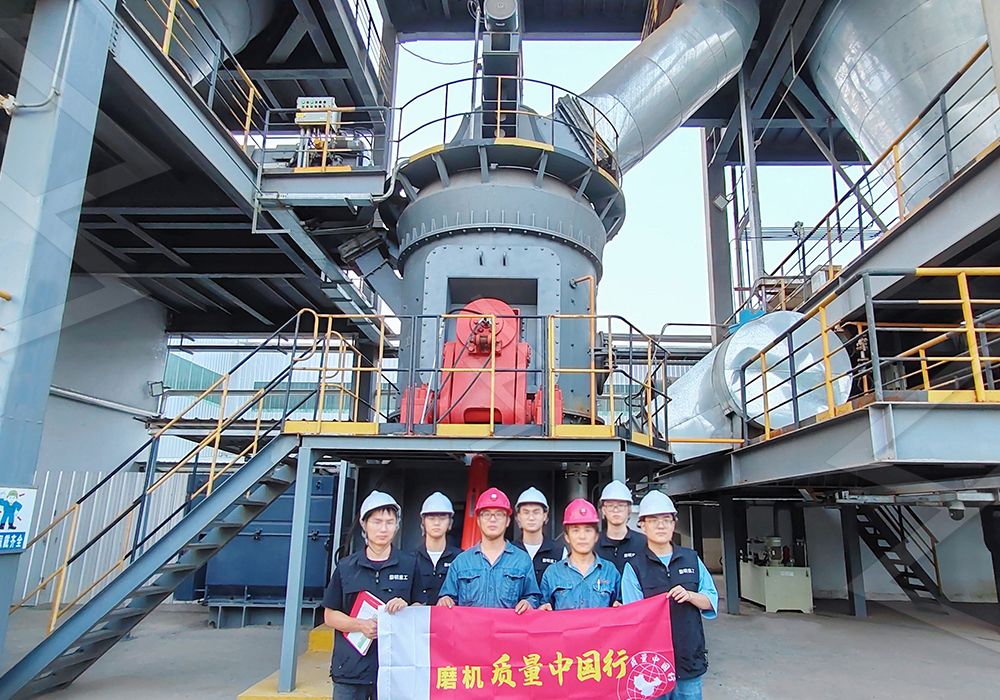
For operations focused specifically on slag, we highly recommend our LM Vertical Slag Mill. This mill is specially engineered for industrial waste like steel slag and water slag. It integrates drying, grinding, powder selection, and conveying into a single unit, dramatically reducing investment costs. With a capacity range of 7-100 t/h, it’s built for robustness and reliability. Its unique grinding device achieves the integration of grinding and powder selection, focusing entirely on delivering the highest milling efficiency for slag applications. The wear-resistant parts are made of high-performance materials, ensuring long service life and minimal downtime.
For those requiring ultra-fine grinding of other materials like limestone or calcite alongside slag, our MW Ultrafine Grinding Mill is another exceptional choice. It boasts a impressive adjustable fineness between 325-2500 meshes and features a clever design with no rolling bearings or screws in the grinding chamber, eliminating common failure points. Its efficient pulse dust collector makes operation exceptionally eco-friendly.
Conclusion
The shift to vertical roller mill technology for slag grinding is a clear step towards more profitable, sustainable, and efficient industrial processing. By leveraging the inherent advantages of this design—lower energy use, smaller footprint, and superior product quality—producers can add significant value to a former waste stream. Investing in the right technology, such as our purpose-built LM Vertical Slag Mill, is key to unlocking these benefits and staying competitive in the modern market.