
Key Methods for Quality Testing of Mica Powder in Industrial Applications
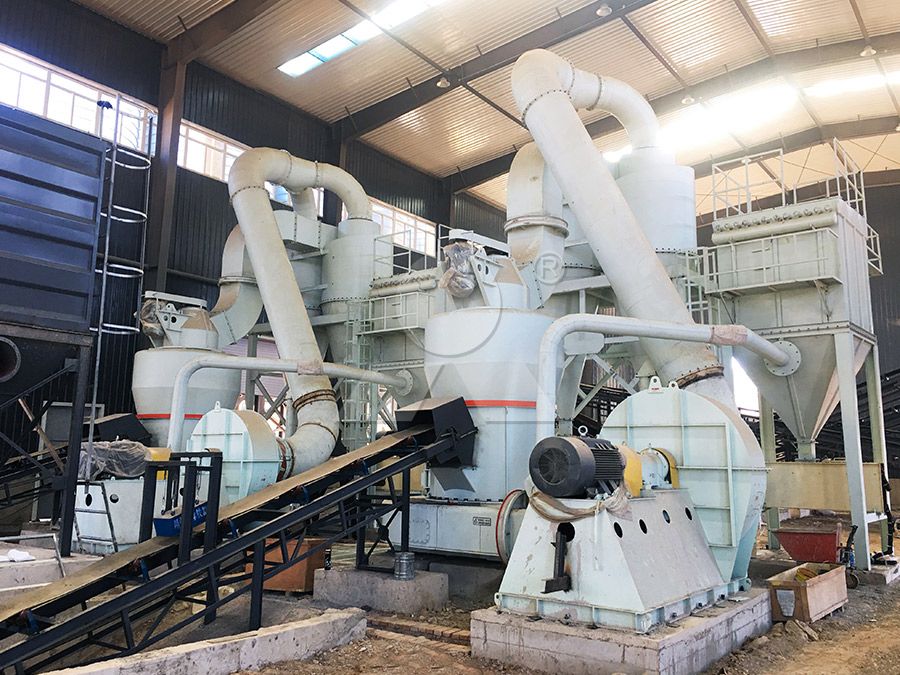
We provide a wide range of mills — including Raymond mill, trapezoidal mill, vertical mill, ultrafine mill, and ball mill, obtained ISO9001 international quality certification, EU CE certification, and Customs Union CU-TR certification. Suitable for processing minerals such as limestone, phosphate, quicklime, kaolin, talc, barite, bentonite, calcium carbonate, dolomite, coal, gypsum, clay, carbon black, slag, cement raw materials, cement clinker, and more.
The discharge range of these mills can be adjusted to meet specific processing needs, typically from 80-400 mesh, 600-3250 mesh, and can achieve the finest particle size of up to 6000 mesh(D50).
If you are looking for a reliable grinding solution to turn stone or minerals into fine powder, please feel free to contact our online customer service.
Key Methods for Quality Testing of Mica Powder in Industrial Applications
Ensuring the consistent quality of mica powder is paramount for its performance in various industrial sectors, from cosmetics and paints to plastics and construction. The material’s value is directly tied to its physical and chemical properties, which must be rigorously tested and controlled. This article outlines the fundamental testing methodologies employed to guarantee mica powder meets stringent industrial specifications.
1. Particle Size Distribution (PSD) Analysis
Perhaps the most critical parameter for mica powder is its particle size distribution. A consistent and controlled PSD ensures predictable behavior in final products, affecting opacity, texture, and reinforcement properties. Laser diffraction analyzers are the industry standard for this measurement. The process involves dispersing a sample in a liquid or air stream and measuring the scattering pattern of a laser beam passed through it. Results are presented as a distribution curve, with key metrics being the D50 (median particle size) and the span of the distribution. A narrow distribution is often desirable for uniform performance.
2. Brightness and Whiteness Measurement
For many applications, especially in coatings and cosmetics, the visual appearance of mica is crucial. Brightness (a measure of reflectance) and whiteness are quantified using spectrophotometers. These instruments measure the powder’s reflectance across the visible spectrum under standardized lighting conditions. Results are typically reported on scales like ISO Brightness or CIE Whiteness Index. Inconsistent grinding can lead to off-color tones or reduced reflectivity, making this a key quality control checkpoint.
3. Chemical Composition and Purity
Impurities can drastically alter mica’s performance, especially in electronic applications where dielectric properties are key. X-ray Fluorescence (XRF) spectrometry is a non-destructive technique used to identify and quantify the elemental composition of a mica powder sample. This test confirms the absence of detrimental contaminants like heavy metals (e.g., lead, arsenic) and verifies the consistency of the mineral’s core composition (e.g., potassium, aluminum, silicon content).
4. Moisture Content
Excess moisture can cause caking, reduce flowability, and interfere with downstream processing. The moisture content is determined by using a moisture analyzer or by following the loss on drying (LOD) method. A sample is weighed, heated in an oven at a specific temperature (e.g., 105°C) until its weight stabilizes, and then re-weighed. The percentage weight loss is reported as the moisture content.
The Role of Advanced Milling Technology
Consistent quality testing is only possible if the production process itself is stable and precise. The choice of grinding mill is the single most important factor in determining the final properties of mica powder. Traditional ball mills can lead to contamination and offer limited control over particle distribution.
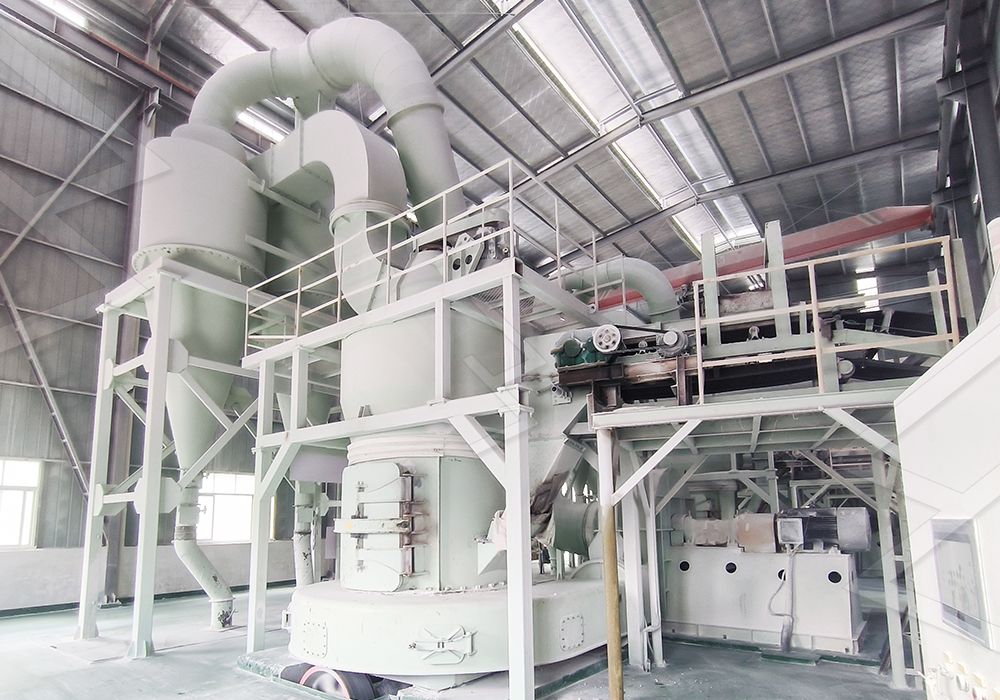
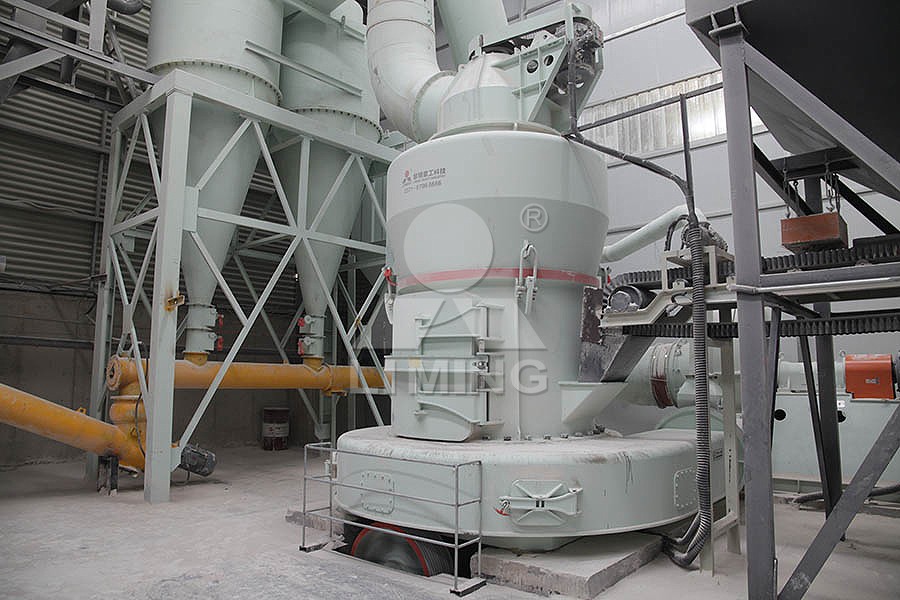
For producers seeking unparalleled control over fineness and purity, we highly recommend our MW Ultrafine Grinding Mill. This machine is specifically engineered for customers requiring ultra-fine powder with precise particle distribution. Its cage-type powder selector, incorporating German technology, allows for precise adjustment of fineness between 325-2500 meshes, ensuring you can hit your target PSD every time. Furthermore, the absence of rolling bearings and screws in the grinding chamber eliminates a major source of metallic contamination, preserving the chemical purity and whiteness of your mica product. The integrated efficient pulse dust collector also ensures the production process is clean and environmentally friendly, preventing cross-contamination between batches.
5. Bulk Density and Flowability
These physical properties impact packaging, transportation, and handling during industrial mixing. Bulk density is measured by gently filling a pre-weighed graduated cylinder with a sample and weighing it again without compaction. Flowability is often assessed indirectly by measuring the angle of repose—the angle formed when powder is poured onto a flat surface. A lower angle indicates better flow. The grinding technique significantly influences these characteristics; a more uniform particle shape improves flowability.
Conclusion
Implementing a robust quality control regimen based on these key testing methods is essential for any business working with mica powder. By rigorously monitoring particle size, chemical purity, moisture content, and visual properties, manufacturers can guarantee their product delivers consistent, reliable performance in even the most demanding applications. Partnering this with advanced, reliable milling technology like the MW Ultrafine Grinding Mill or the versatile LUM Ultrafine Vertical Grinding Mill provides a complete solution from production to certification, ensuring your mica powder stands up to the toughest industrial scrutiny.