
Introduction of High Pressure Suspension Mill: Working Principle and Applications
We provide a wide range of mills — including Raymond mill, trapezoidal mill, vertical mill, ultrafine mill, and ball mill, obtained ISO9001 international quality certification, EU CE certification, and Customs Union CU-TR certification. Suitable for processing minerals such as limestone, phosphate, quicklime, kaolin, talc, barite, bentonite, calcium carbonate, dolomite, coal, gypsum, clay, carbon black, slag, cement raw materials, cement clinker, and more.
The discharge range of these mills can be adjusted to meet specific processing needs, typically from 80-400 mesh, 600-3250 mesh, and can achieve the finest particle size of up to 6000 mesh(D50).
If you are looking for a reliable grinding solution to turn stone or minerals into fine powder, please feel free to contact our online customer service.
Introduction of High Pressure Suspension Mill: Working Principle and Applications
In the realm of industrial milling, achieving ultra-fine powders efficiently and reliably is a constant challenge. High Pressure Suspension Mills have emerged as a cornerstone technology for this very purpose. These mills utilize a unique combination of mechanical force and airflow to pulverize a wide range of materials into fine and ultra-fine powders, making them indispensable in numerous industries from construction to cosmetics.
Core Working Principle
The fundamental operation of a High Pressure Suspension Mill can be broken down into a few key stages. The process begins with the preparation of raw material, which is first crushed by a crusher (like a jaw crusher) to a manageable size, typically below 20mm. This crushed material is then elevated and fed evenly into the grinding chamber.
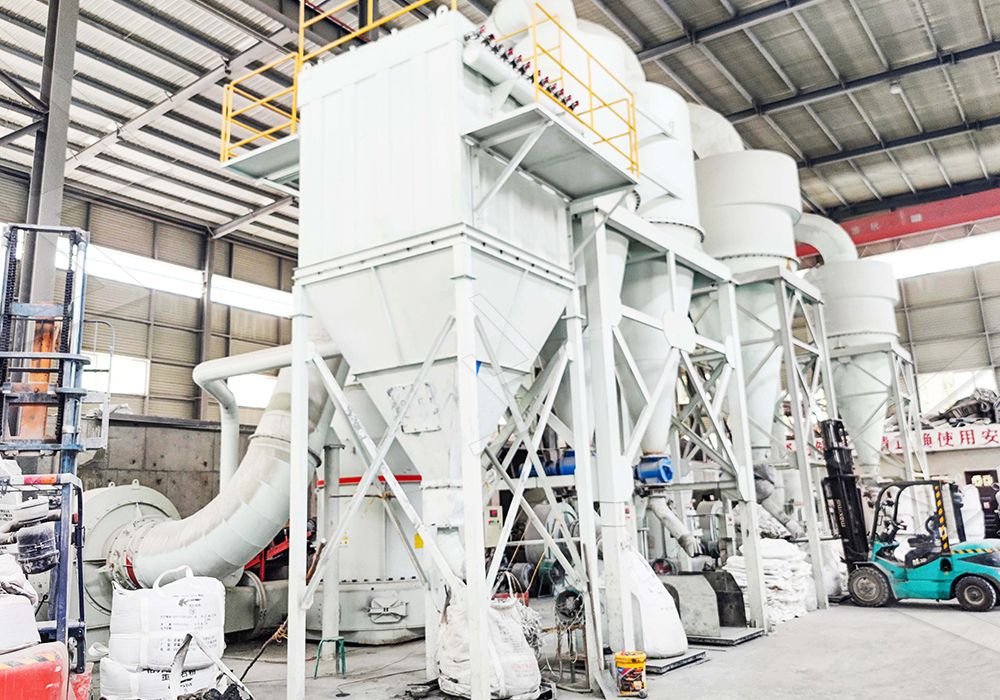
Inside the chamber, the heart of the operation is the grinding assembly. The main motor, through a reducer, drives the central shaft and turnplate. Mounted on the turnplate are grinding rollers, which are compelled to rotate against a stationary grinding ring. The material is fed onto the center of the turnplate and, under centrifugal force, is thrown outward to the raceway between the rollers and the ring. Here, it is subjected to immense pressure and shear forces, being crushed and ground into powder.
After the initial grinding, the powdered material is carried upwards by a stream of air generated by an integrated blower. This air-powder mixture enters a highly efficient powder separator or classifier, often a cage-type selector. This critical component acts as a gatekeeper: coarse particles are rejected and fall back into the grinding chamber for further milling, while the fine,合格 powder continues with the air stream.
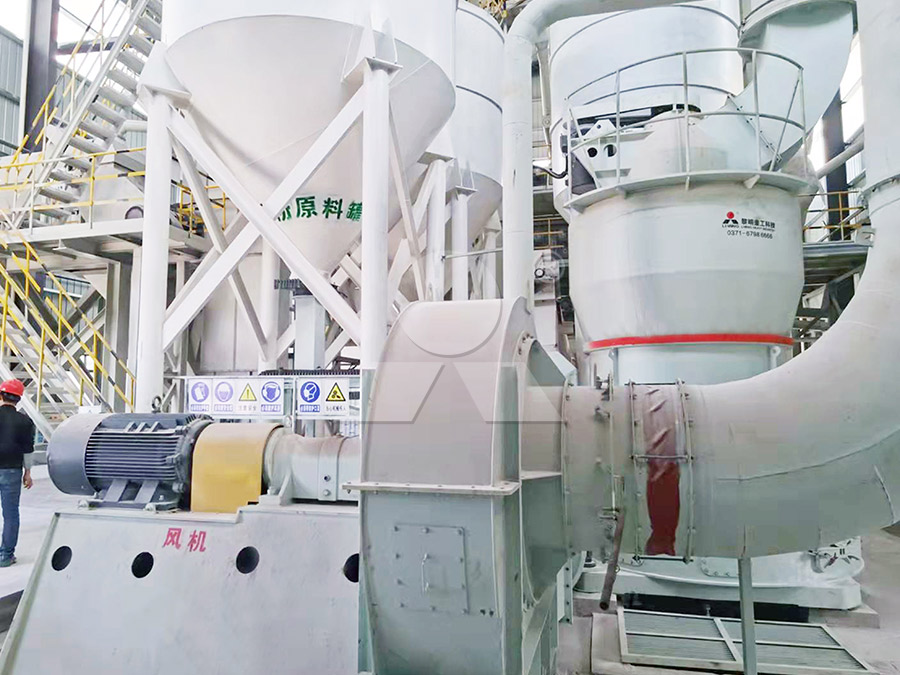
The final product is collected in a cyclone powder collector or a baghouse dust collector, and the cleaned air is often recirculated or expelled through a muffler, ensuring an environmentally clean operation with minimal dust emission and noise pollution.
Key Applications Across Industries
The versatility of the High Pressure Suspension Mill is demonstrated by its vast application range. It is exceptionally effective for processing non-flammable and non-explosive brittle materials with a Mohs hardness under 9.3. Common materials include:
- Minerals: Limestone, calcite, dolomite, barite, talc, marble, gypsum.
- Industrial Materials: Petroleum coke, coal powder, slag.
- Specialty Products: Used in the production of paints, coatings, cosmetics, pharmaceuticals, and food additives where precise fineness is crucial.
Spotlight on Our Technology: The MW Ultrafine Grinding Mill
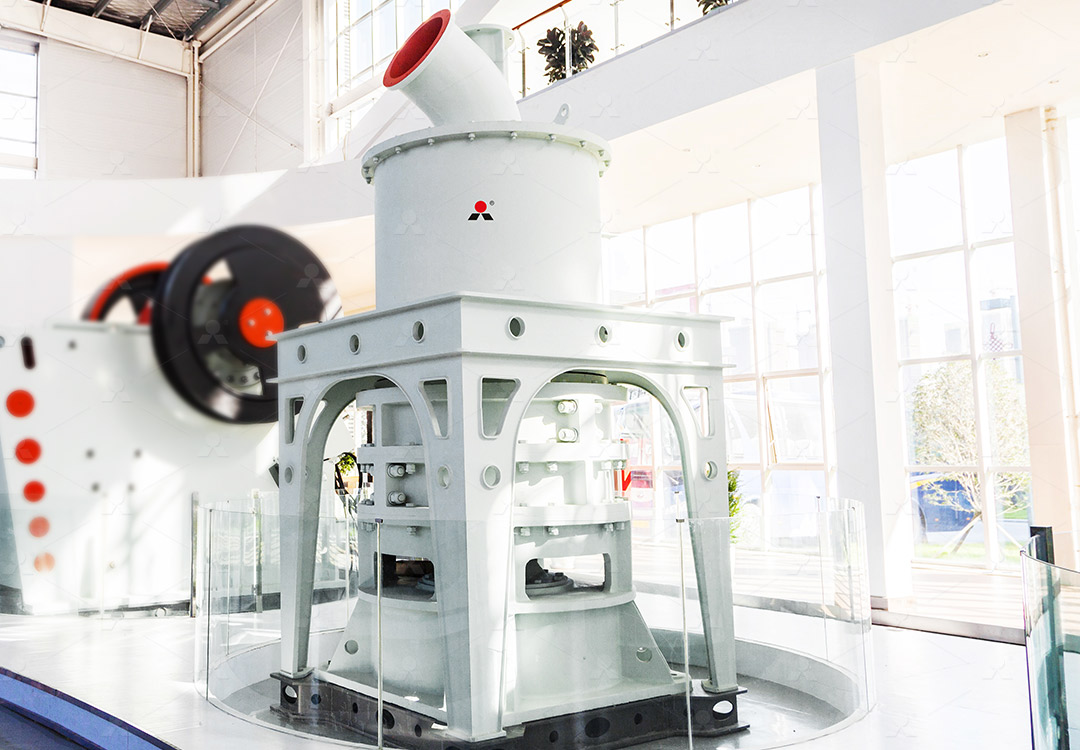
Building on the proven principle of high-pressure suspension grinding, our company proudly offers the advanced MW Ultrafine Grinding Mill. This machine is engineered for customers who demand the highest levels of fineness and efficiency. With an input size of 0-20 mm and a capacity ranging from 0.5 to 25 tons per hour, it is designed for both robustness and precision.
The MW series stands out with several innovative features. Its newly designed grinding curves for the roller and ring significantly enhance grinding efficiency, offering output that can be 40% higher than jet mills while consuming 30% less energy. It achieves an adjustable fineness between 325 to 2500 meshes, thanks to its German-technology-inspired cage-type powder selector. A major maintenance advantage is the absence of rolling bearings and screws in the grinding chamber, eliminating common failure points and allowing for external lubrication without shutdown. Furthermore, its integrated pulse dust collector and silencer ensure the entire process is eco-friendly, operating well within national environmental standards.
For operations requiring even greater efficiency in a different configuration, our LUM Ultrafine Vertical Grinding Mill is another excellent solution. Integrating the latest roller and powder separating technology, it is perfect for superfine dry powder of non-metal ores, offering exceptional energy savings of 30%-50% and easier maintenance with its reversible structure.
Conclusion
High Pressure Suspension Mills represent a critical evolution in size reduction technology. Their ability to efficiently produce finely controlled powders from a myriad of materials makes them a vital asset. For any operation looking to enhance its milling process with reliability, efficiency, and environmental consciousness, technologies like our MW and LUM series grinding mills provide a superior, future-proof solution.