
Raymond Mill Price and Cost Analysis for Grinding Plants in Greece
We provide a wide range of mills — including Raymond mill, trapezoidal mill, vertical mill, ultrafine mill, and ball mill, obtained ISO9001 international quality certification, EU CE certification, and Customs Union CU-TR certification. Suitable for processing minerals such as limestone, phosphate, quicklime, kaolin, talc, barite, bentonite, calcium carbonate, dolomite, coal, gypsum, clay, carbon black, slag, cement raw materials, cement clinker, and more.
The discharge range of these mills can be adjusted to meet specific processing needs, typically from 80-400 mesh, 600-3250 mesh, and can achieve the finest particle size of up to 6000 mesh(D50).
If you are looking for a reliable grinding solution to turn stone or minerals into fine powder, please feel free to contact our online customer service.
Raymond Mill Price and Cost Analysis for Grinding Plants in Greece
The mineral processing and construction industries in Greece have shown consistent growth, driving demand for efficient grinding solutions. When considering the establishment or upgrade of a grinding plant, a thorough analysis of equipment price and operational costs is paramount. Raymond Mill, a long-standing workhorse in this sector, often comes to mind due to its established reputation. However, a modern cost-benefit analysis must look beyond initial purchase price and consider factors like energy consumption, maintenance downtime, spare parts availability, and environmental compliance, all of which significantly impact the Total Cost of Ownership (TCO).
Key Cost Factors for Grinding Operations in Greece
For Greek operators, several local factors influence the financial equation. Energy costs in Greece are notably high, making energy efficiency a primary concern. Equipment that consumes less power per ton of output can lead to substantial savings over its operational lifespan. Furthermore, stringent EU environmental regulations mandate low dust and noise emissions, potentially adding the cost of auxiliary pollution control systems to a basic mill setup. Maintenance complexity and the local availability of technical support and spare parts are also critical, as extended downtime directly translates to lost revenue.
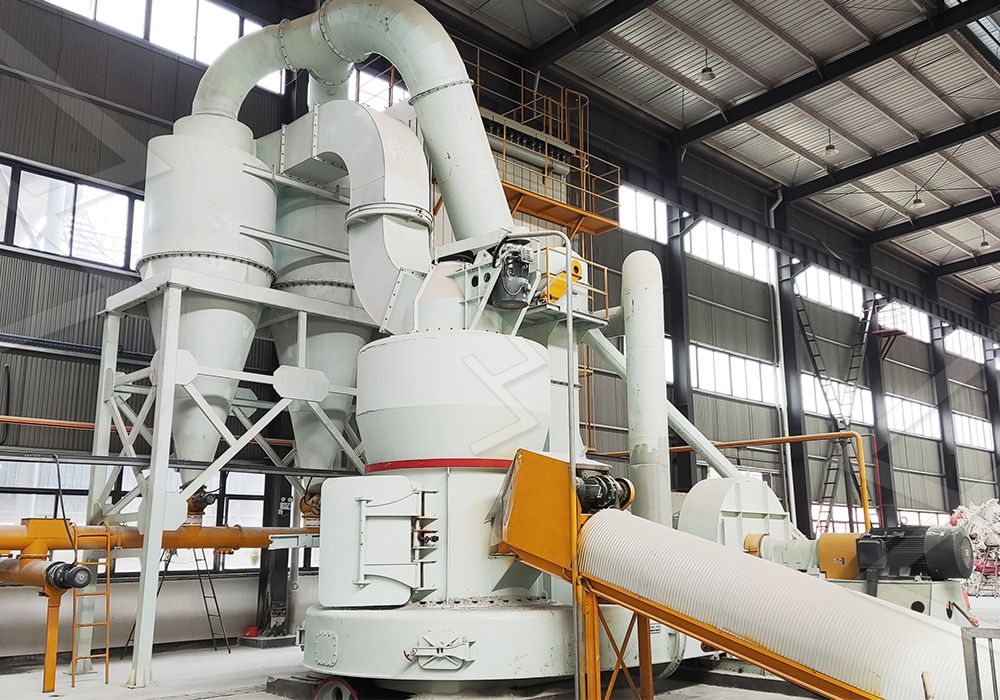
While traditional Raymond Mills offer a lower initial investment, their higher energy consumption and potentially higher maintenance needs can erode this initial advantage. This is where advanced, modern grinding technologies present a compelling case.
Beyond Raymond: Advanced Solutions for Lower TCO
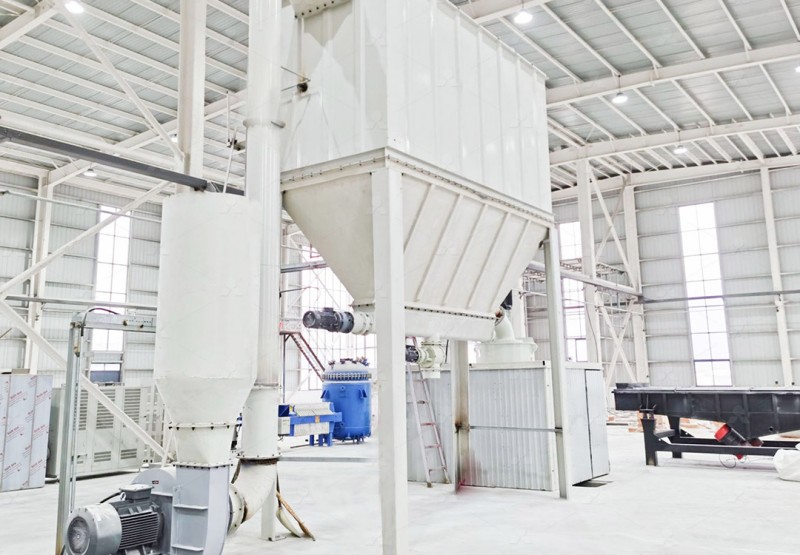
For operations requiring ultra-fine powders, the MW Ultrafine Grinding Mill emerges as a highly efficient alternative. Designed for customers needing to make 325-2500 mesh ultra-fine powder, this machine addresses many pain points of traditional mills. Its higher yielding and lower energy consumption are its standout features. With the same fineness and power, its production capacity is 40% higher than jet mills and double that of ball mills, while system energy consumption is only 30% of a jet mill. This directly tackles the high energy cost issue in Greece.
Its design eliminates rolling bearings and screws in the grinding chamber, drastically reducing worries about bearing damage or machine failure from loose screws. External lubrication allows for 24/7 operation without shutdowns. Crucially, its integrated efficient pulse dust collector and muffler ensure compliance with strict environmental standards without the need for costly add-ons, making the entire milling system eco-friendly from the start.
Making the Right Investment Decision
The choice between a standard Raymond Mill and a more advanced system like the MW Ultrafine Mill is a strategic one. For high-volume, fine-powder production—common in processing Greece’s abundant limestone, marble, or barite—the higher initial cost of the MW mill is quickly offset by dramatically lower operating costs. The savings on electricity alone can be significant, and the reduced risk of unscheduled maintenance ensures consistent production output.
When analyzing price, it is essential to request detailed quotations that include ancillary equipment for a complete system. More importantly, calculate the projected operating costs over a 3–5 year period to understand the true TCO. Partnering with a supplier that offers comprehensive technical support and a reliable supply of original spare parts, like our company provides for the MW Ultrafine Grinding Mill, is invaluable for maintaining operational efficiency and minimizing long-term costs.
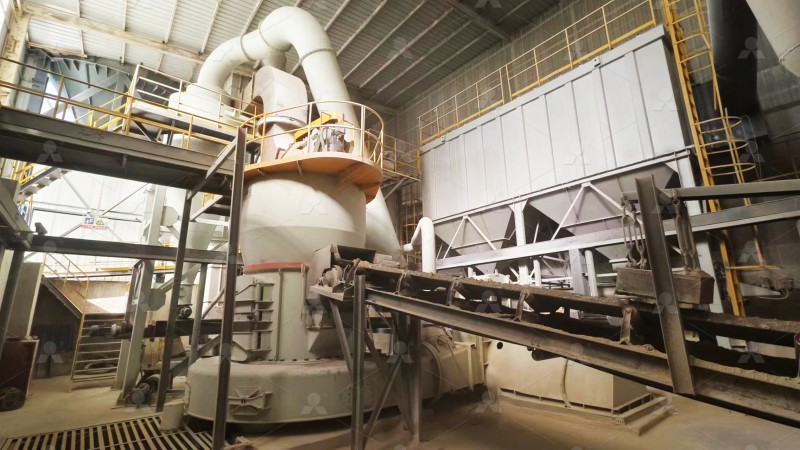
In conclusion, while the Raymond Mill remains a viable option for certain applications, Greek plant operators should strongly consider modern, integrated solutions like the MW Ultrafine Grinding Mill for superior efficiency, lower operational expenses, and guaranteed environmental compliance, ultimately leading to a more profitable and sustainable operation.