
Why Clinker and Gypsum are Ground Together in a Ball Mill
We provide a wide range of mills — including Raymond mill, trapezoidal mill, vertical mill, ultrafine mill, and ball mill, obtained ISO9001 international quality certification, EU CE certification, and Customs Union CU-TR certification. Suitable for processing minerals such as limestone, phosphate, quicklime, kaolin, talc, barite, bentonite, calcium carbonate, dolomite, coal, gypsum, clay, carbon black, slag, cement raw materials, cement clinker, and more.
The discharge range of these mills can be adjusted to meet specific processing needs, typically from 80-400 mesh, 600-3250 mesh, and can achieve the finest particle size of up to 6000 mesh(D50).
If you are looking for a reliable grinding solution to turn stone or minerals into fine powder, please feel free to contact our online customer service.
Why Clinker and Gypsum are Ground Together in a Ball Mill
In the cement manufacturing process, the final step before packaging and distribution is the grinding of clinker into a fine powder. But if you’ve ever looked into the details, you might wonder: why is gypsum always ground together with the clinker in that big, noisy ball mill? It’s not just a random mix; it’s a critical step rooted in chemistry and practicality.
Clinker, the nodular material produced from the cement kiln, is highly reactive and would set almost immediately when mixed with water. This is where gypsum (calcium sulfate dihydrate) comes in. When ground together in a ball mill, the gypsum acts as a set retarder. It controls the rapid hydration of tricalcium aluminate (C3A), one of the main components of clinker, by forming a protective layer of ettringite. This delays the setting time, allowing for proper workability, transportation, and placement of the concrete. Without this crucial step, cement would be virtually unusable in most construction applications.
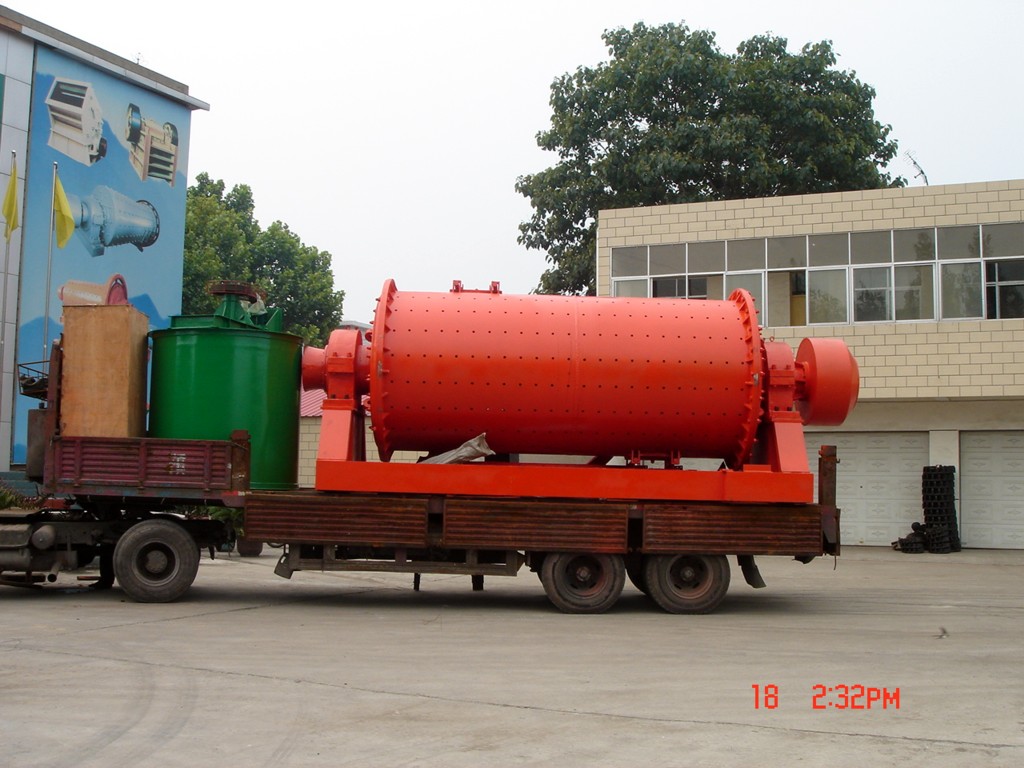
The ball mill itself is the workhorse of this operation. It’s a robust, rotating cylinder filled with steel grinding media that crushes and grinds the clinker and gypsum into the ultra-fine powder we know as cement. The tumbling action ensures a thorough and homogenous mix, which is vital for consistent product quality. However, traditional ball mills can be energy-intensive and have limitations in achieving the finest particle sizes efficiently.
The Evolution of Grinding Technology
While the ball mill has been the industry standard for decades, technological advancements have led to the development of more efficient grinding solutions. For operations that require even finer powders or seek to reduce their energy footprint, considering an upgrade to an ultrafine grinding mill can be a game-changer.
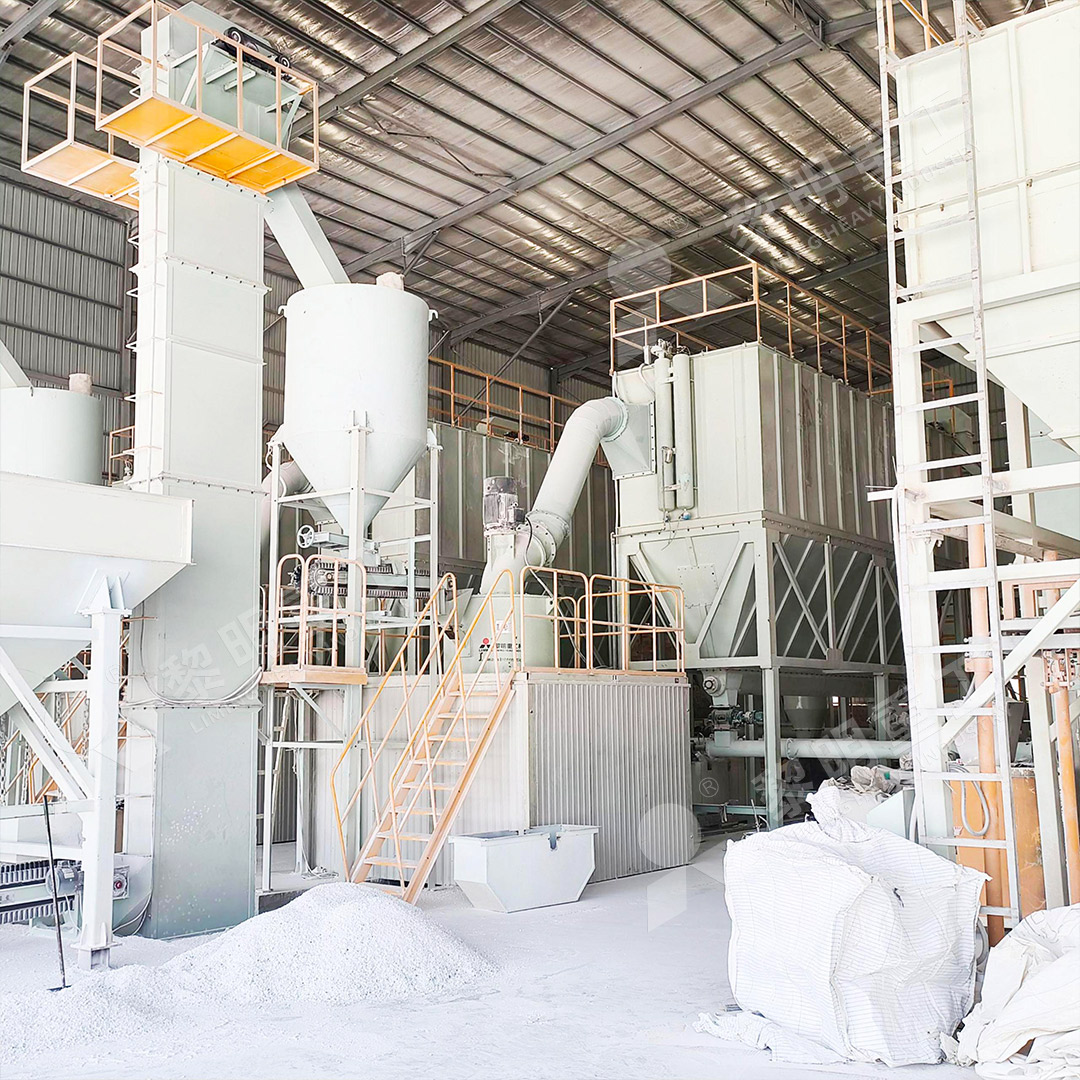
For instance, our MW Ultrafine Grinding Mill is an excellent alternative or complementary solution. Designed for customers who need to make ultra-fine powder, this machine is perfect for processing materials like gypsum, limestone, and even clinker for specialty cements. With an input size of 0-20 mm and a capacity ranging from 0.5 to 25 tph, it offers remarkable flexibility. Its key advantage lies in its higher yielding and lower energy consumption – it’s capable of producing 40% higher capacity with the same fineness and power compared to jet mills, and its system energy consumption is only 30% of a jet mill’s. For cement plants looking to optimize their grinding circuit or produce high-value additives, the MW series represents a significant leap forward.
Beyond the Ball Mill: Achieving Precision and Efficiency
The intergrinding process in a ball mill is effective, but it doesn’t offer much control over the final product’s particle size distribution. Modern applications often demand more precision. This is where mills with advanced classification systems shine.
The MW Ultrafine Grinding Mill addresses this with its adjustable fineness between 325-2500 meshes, thanks to a German-technology cage-type powder selector. This means you can precisely target the optimal particle size for your specific cement blend, improving strength development and reducing water demand. Furthermore, its design eliminates rolling bearings and screws in the grinding chamber, virtually eliminating concerns about mechanical failure from these components and allowing for 24/7 operation.
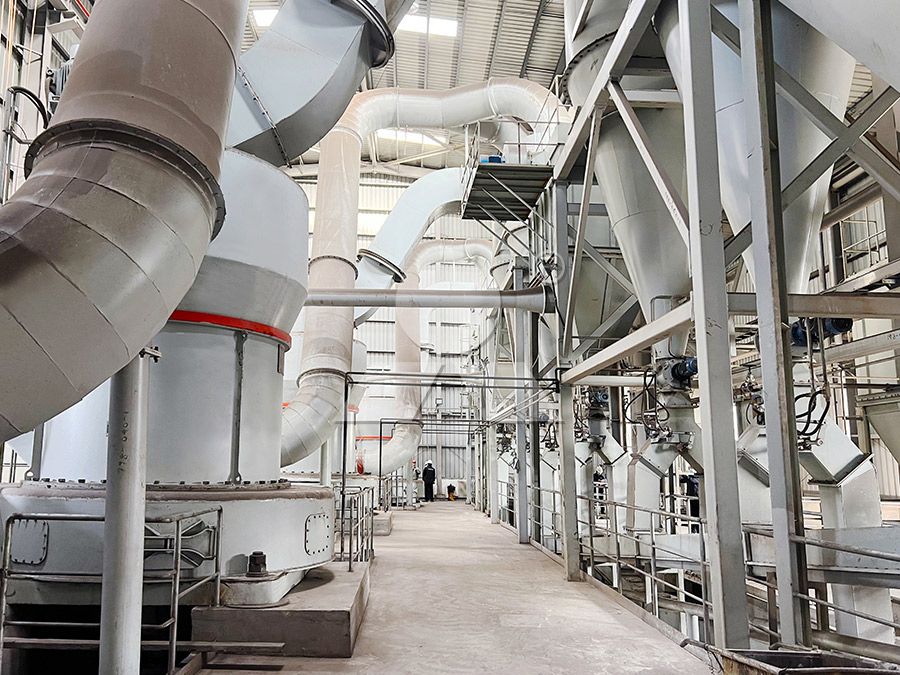
Another standout feature is its commitment to being eco-friendly. The mill is equipped with an efficient pulse dust collector and muffler, ensuring that the entire production process meets stringent national environmental protection standards. This makes it not only a powerful piece of machinery but also a responsible choice for modern manufacturing.
Conclusion
Grinding clinker and gypsum together in a ball mill remains a fundamental, chemically necessary process in cement production. It’s a proven method that delivers a reliable product. However, as the industry evolves towards greater efficiency, lower energy consumption, and more specialized products, integrating advanced grinding technology like the MW Ultrafine Grinding Mill can provide a competitive edge, allowing for the production of superior, ultra-fine powders while significantly reducing operational costs and environmental impact.