
How to Adjust the Speed of a Cement Mill Motor for Optimal Grinding
We provide a wide range of mills — including Raymond mill, trapezoidal mill, vertical mill, ultrafine mill, and ball mill, obtained ISO9001 international quality certification, EU CE certification, and Customs Union CU-TR certification. Suitable for processing minerals such as limestone, phosphate, quicklime, kaolin, talc, barite, bentonite, calcium carbonate, dolomite, coal, gypsum, clay, carbon black, slag, cement raw materials, cement clinker, and more.
The discharge range of these mills can be adjusted to meet specific processing needs, typically from 80-400 mesh, 600-3250 mesh, and can achieve the finest particle size of up to 6000 mesh(D50).
If you are looking for a reliable grinding solution to turn stone or minerals into fine powder, please feel free to contact our online customer service.
How to Adjust the Speed of a Cement Mill Motor for Optimal Grinding
Alright folks, let’s get down to brass tacks. Adjusting the speed of your cement mill motor ain’t just about turnin’ a dial; it’s about findin’ that sweet spot where efficiency, particle size, and throughput all come together. Get it wrong, and you’re wastin’ energy, wearin’ out parts faster, and producin’ inconsistent product. Get it right, and it’s like a well-oiled machine printin’ money.
The core principle is simple: the rotation speed of the mill directly impacts how the grinding media (like them balls or rollers) interact with the clinker. Too slow, and the media just slide or tumble without enough impact force for efficient size reduction. You get poor grindin’ and a drop in output. Too fast, and centrifugal force pins the media to the shell walls—no tumbling, no grinding, just a whole lotta wasted electricity and heat generation. You’re aimin’ for that critical speed where the media are carried up the side and then cascade down onto the material for maximum impact.
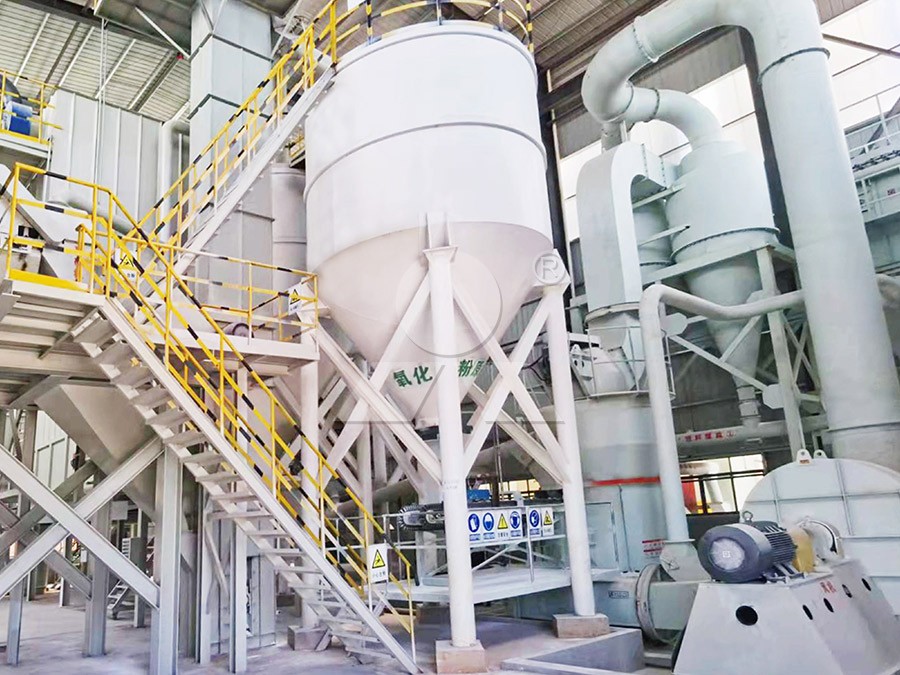
Most modern mills use variable frequency drives (VFDs) for speed control. This is where the magic happens. A VFD allows you to precisely control the motor’s RPM, givin’ you the flexibility to fine-tune the operation based on feed rate, material hardness, and desired fineness. Don’t just set it and forget it. Monitor the motor’s power draw—a sudden dip often means the mill is under-loaded (‘cataracting’), while a spike can mean over-loading (‘plugging’). The amperage reading is your best friend here.
Factors Influencing Optimal Speed
- Material Feed Size & Hardness: Harder, larger feed might need a slightly different speed to ensure proper breakage.
- Desired Product Fineness: A finer product might require adjustin’ the speed in conjunction with the classifier settings.
- Lining & Media Wear: As wear progresses, the dynamics inside the mill change. You might need to compensate with slight speed adjustments over time.
- Mill Design: This is a big one. The optimal speed for a traditional ball mill is different from a vertical roller mill or a more advanced ultrafine grinding system.
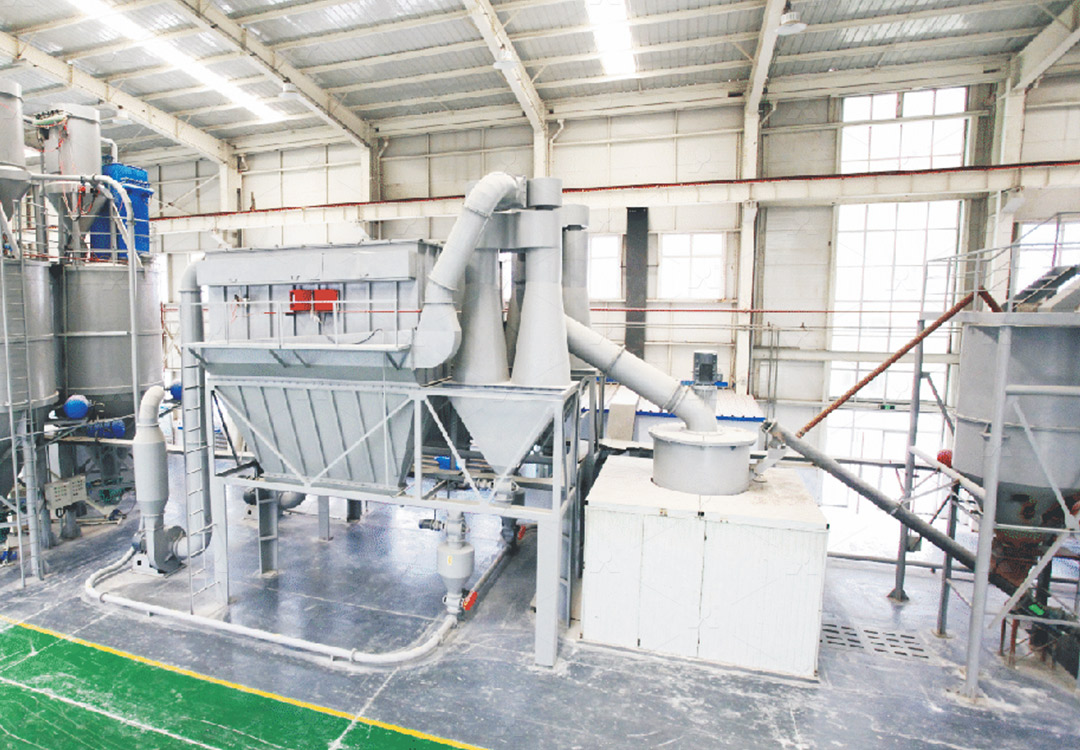
Speakin’ of advanced systems, for operations that need to produce ultra-fine powder efficiently, a standard ball mill might not cut it. You need a machine designed for precision. For these high-end applications, I’d strongly recommend takin’ a look at our MW Ultrafine Grinding Mill. This piece of kit is a beast for fine powder production, handlin’ input up to 20mm and capacities from 0.5 to 25 tons per hour. Its real party trick is the German-designed cage-type powder selector, which lets you dial in the fineness between 325 and 2500 meshes with incredible precision. It’s a game-changer for gettin’ a consistent, high-yield product without the energy guzzle of older tech.
The Adjustment Process: A Practical Approach
- Baseline: Start at the manufacturer’s recommended operating speed for your mill type and size.
- Test Grind: Run the mill with a representative sample of material. Collect product samples at regular intervals.
- Analyze: Sieve the product to check particle size distribution. Simultaneously, record the motor’s power consumption.
- Adjust: If the product is too coarse, consider a slight increase in speed (if you’re below critical speed) to improve impact. Also, check your classifier! If power consumption is high and grind is poor, you might be too close to critical speed—try reducing it slightly.
- Iterate: Small adjustments are key. Change one variable at a time (like speed OR classifier setting) and re-test until you find the optimum combination for your specific material.
Remember, the motor speed is just one part of the puzzle. It works in tandem with the separator or classifier speed. If you’re runnin’ a vertical mill like our LUM Ultrafine Vertical Grinding Mill, you’ve got even more control. The LUM integrates grindin’ and classification seamlessly. You can adjust the grinding roller pressure and the speed of the multi-head powder separator independently to hit your target fineness exactly, all while consumin’ 30-50% less energy than a ball mill. Its hydraulic system and reversible rollers also make maintenance a heck of a lot easier, minimizin’ downtime.
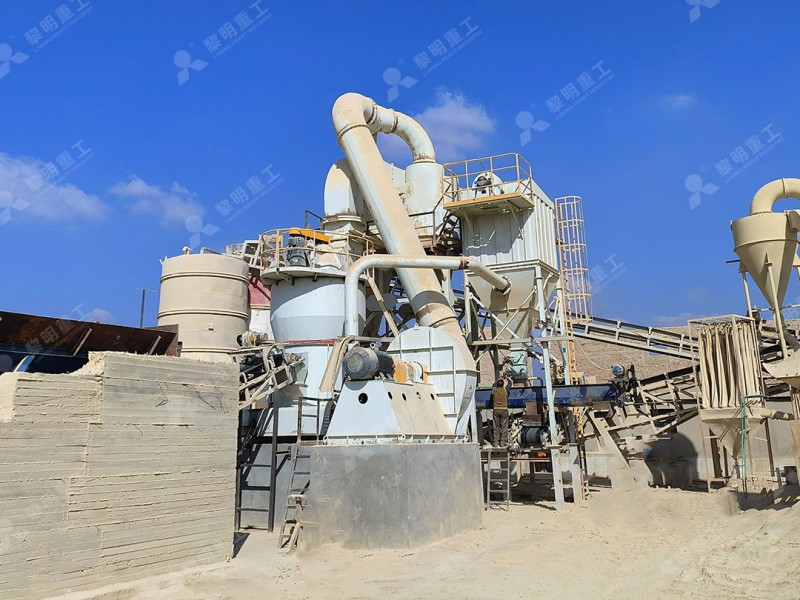
In conclusion, dialin’ in your cement mill speed is a mix of science, a bit of art, and a lot of careful observation. Use your VFD, watch your amp meter, test your product constantly, and don’t be afraid to make small, incremental changes. And if you’re lookin’ to upgrade to a system that gives you superior control and efficiency from the get-go, our MW and LUM series mills are built to deliver optimal grinding performance day in and day out. Now get out there and make some perfect powder!