
Process Optimization for Marble Powder Production: Enhancing Efficiency and Quality
We provide a wide range of mills — including Raymond mill, trapezoidal mill, vertical mill, ultrafine mill, and ball mill, obtained ISO9001 international quality certification, EU CE certification, and Customs Union CU-TR certification. Suitable for processing minerals such as limestone, phosphate, quicklime, kaolin, talc, barite, bentonite, calcium carbonate, dolomite, coal, gypsum, clay, carbon black, slag, cement raw materials, cement clinker, and more.
The discharge range of these mills can be adjusted to meet specific processing needs, typically from 80-400 mesh, 600-3250 mesh, and can achieve the finest particle size of up to 6000 mesh(D50).
If you are looking for a reliable grinding solution to turn stone or minerals into fine powder, please feel free to contact our online customer service.
Process Optimization for Marble Powder Production: Enhancing Efficiency and Quality
In the competitive world of industrial minerals, marble powder production demands a delicate balance between operational efficiency, product quality, and environmental responsibility. Achieving a superior fine to ultra-fine powder requires not just robust machinery but an optimized process flow that minimizes waste and maximizes output. This article explores key strategies for optimizing marble powder production, with a focus on selecting the right grinding technology.
The Core Challenge: Grinding Efficiency and Particle Size Distribution
The primary goal in marble powder milling is to achieve a consistent and desired particle size distribution (PSD) with minimal energy expenditure. Traditional ball mills, while reliable, often suffer from high energy consumption, significant heat generation, and potential contamination from grinding media wear. This is particularly detrimental for high-value marble applications in cosmetics, paints, and plastics where whiteness and purity are paramount.
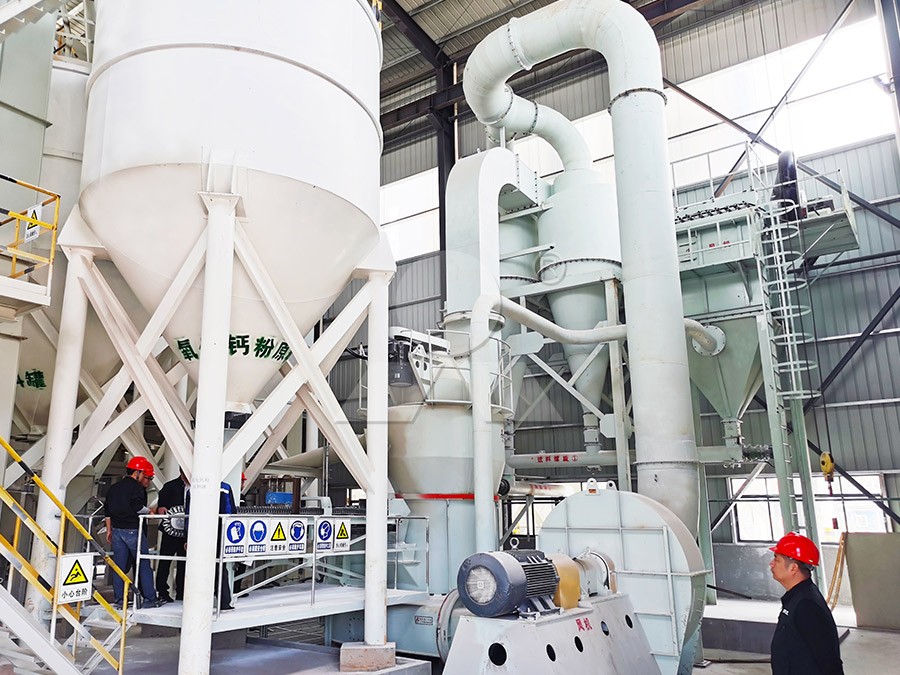
Modern process optimization therefore leans towards advanced milling systems designed for dry grinding. These systems integrate crushing, grinding, classification, and conveying into a single, streamlined operation. The key is to reduce the number of process steps, which in turn reduces energy loss, material handling, and the overall footprint of the plant.
Introducing Advanced Milling Technology: The MW Ultrafine Grinding Mill
For operations targeting the high-value ultra-fine powder market (325-2500 meshes), the MW Ultrafine Grinding Mill presents a compelling solution. This machine is specifically engineered for customers who need to make ultra-fine powder with higher yielding and lower energy consumption.
Its innovative design adresses common pain points: Higher Yielding, Lower Energy Consumption. With newly designed grinding curves, its production capacity is 40% higher than that of jet mills and stirred mills, while system energy consumption is just 30% of a comparable jet mill. Furthermore, its Adjustable Fineness Between 325-2500meshes is achieved through a German-technology cage-type powder selector, ensuring precise separation and a superb screening rate of d97≤5μm in a single pass.
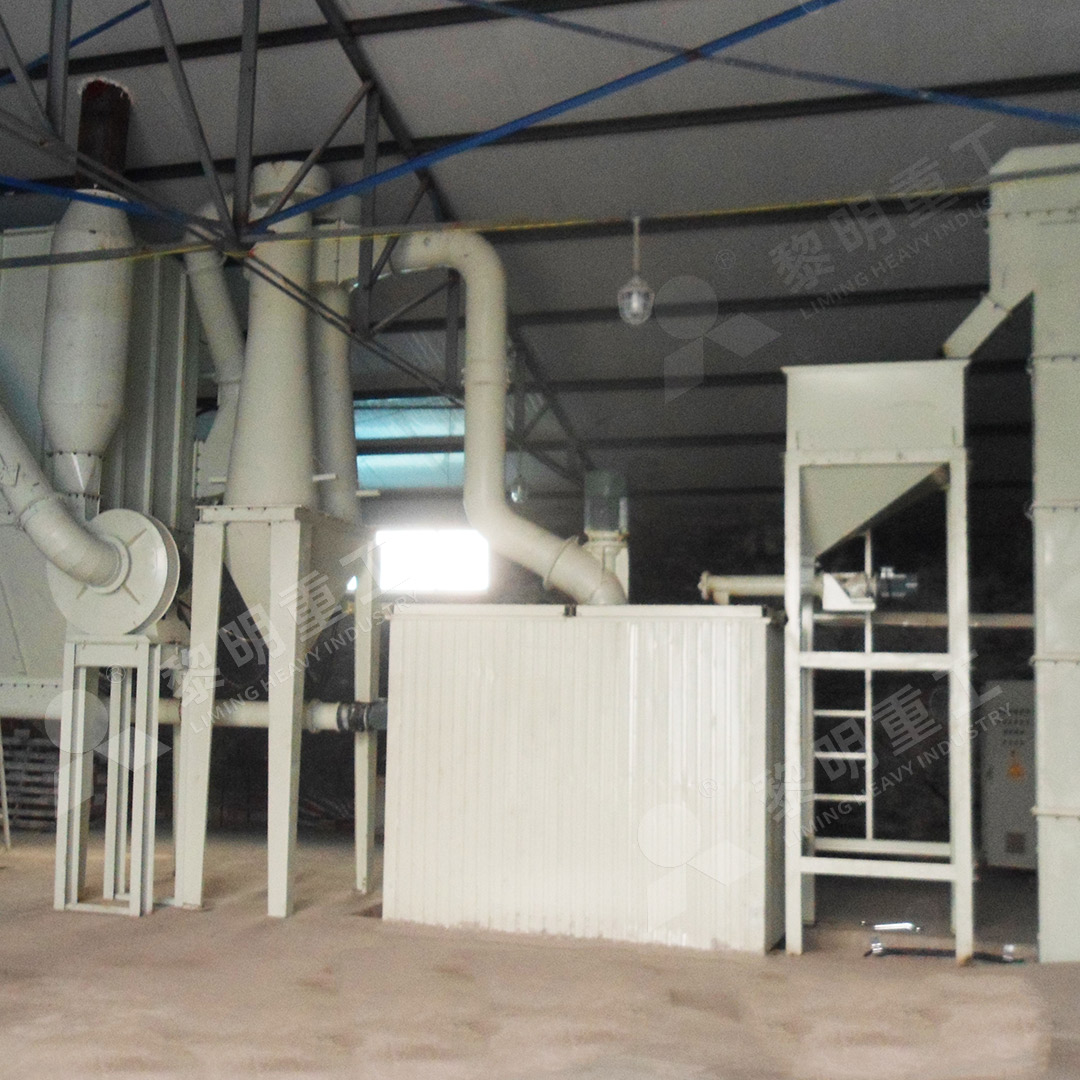
A critical feature for maintenance and uptime is its design with No Rolling Bearing & Screw in Grinding Chamber. This eliminates worries about bearing failures or loose screws causing catastrophic damage, a common issue in other mill types. Combined with an external lubricating device that allows for lubrication without shutdown, this design supports continuous 24/7 production cycles, drastically improving overall equipment effectiveness (OEE).
Beyond Grinding: Holistic System Integration
True optimization extends beyond the mill itself to the entire production system. Dust collection is a major concern in powder production. The MW Mill is equipped with an efficient pulse dust collector and muffler, making the entire milling system operate with no dust pollution and significantly reduced noise, ensuring full compliance with national environmental protection standards.
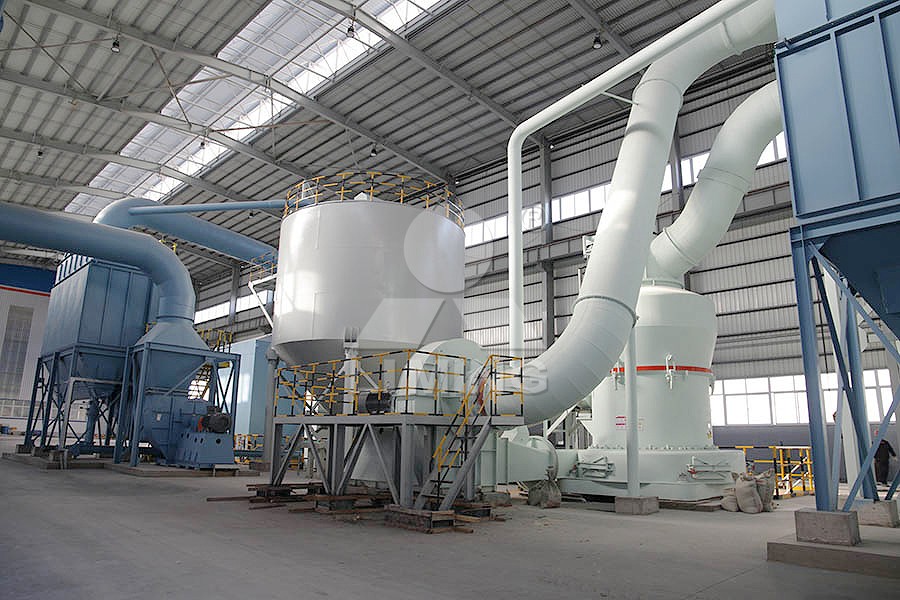
For operations processing slightly larger feed sizes or requiring immense capacity for coarse to fine grinding, the LM Vertical Grinding Mill is another excellent workhorse. It integrates crushing, drying, grinding, classifying, and conveying, reducing the coverage area by 50% compared to a ball mill and saving 30%-40% in energy. Its short material lingering time reduces repeated grinding and ensures low iron content, preserving the marble’s brilliant whiteness.
Conclusion: Investing in Smart Technology
Optimizing marble powder production is an investment in smarter, more efficient technology. By moving away from traditional, high-consumption methods and adopting integrated, automated systems like the MW Ultrafine Grinding Mill, producers can achieve a significant competitive edge. The benefits are clear: drastically lower operating costs, superior product quality with consistent PSD, enhanced environmental performance, and the reliability needed for non-stop operation. In an industry where microns matter, the right grinding technology is not just an equipment choice—it’s a strategic business decision.