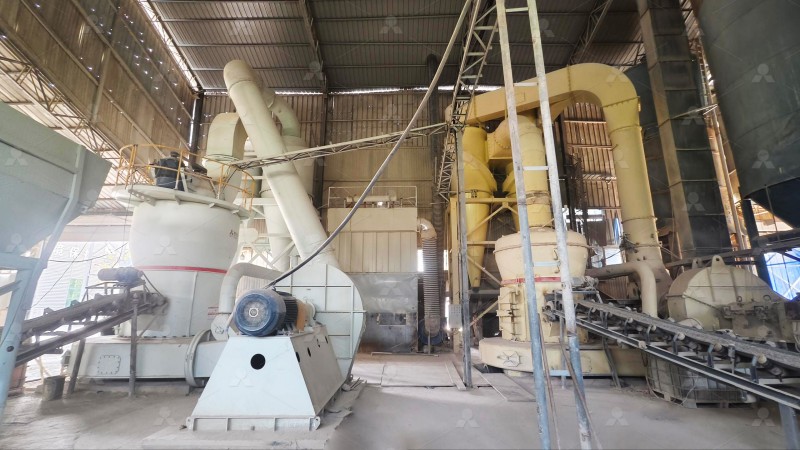
Process Optimization for Marble Powder Production: Enhancing Efficiency and Quality
We provide a wide range of mills — including Raymond mill, trapezoidal mill, vertical mill, ultrafine mill, and ball mill, obtained ISO9001 international quality certification, EU CE certification, and Customs Union CU-TR certification. Suitable for processing minerals such as limestone, phosphate, quicklime, kaolin, talc, barite, bentonite, calcium carbonate, dolomite, coal, gypsum, clay, carbon black, slag, cement raw materials, cement clinker, and more.
The discharge range of these mills can be adjusted to meet specific processing needs, typically from 80-400 mesh, 600-3250 mesh, and can achieve the finest particle size of up to 6000 mesh(D50).
If you are looking for a reliable grinding solution to turn stone or minerals into fine powder, please feel free to contact our online customer service.
Process Optimization for Marble Powder Production: Enhancing Efficiency and Quality
In the competitive world of industrial minerals, the production of high-quality marble powder demands a meticulous balance between operational efficiency, product consistency, and environmental responsibility. Traditional grinding methods often fall short, plagued by high energy consumption, excessive wear and tear, and inconsistent particle size distribution. This article explores key strategies for optimizing the marble powder production process, with a focus on leveraging advanced milling technology to achieve superior results.
The Core Challenge: Consistency and Throughput
Marble, a metamorphic rock composed primarily of calcite, is valued for its brightness and chemical purity. The transformation of raw marble blocks into a fine, consistent powder is a complex process. Inconsistent grind size can lead to product rejection in sensitive applications like paints, plastics, and cosmetics. Furthermore, traditional ball mills, while reliable, are notoriously energy-intensive and offer limited control over the final product’s fineness.
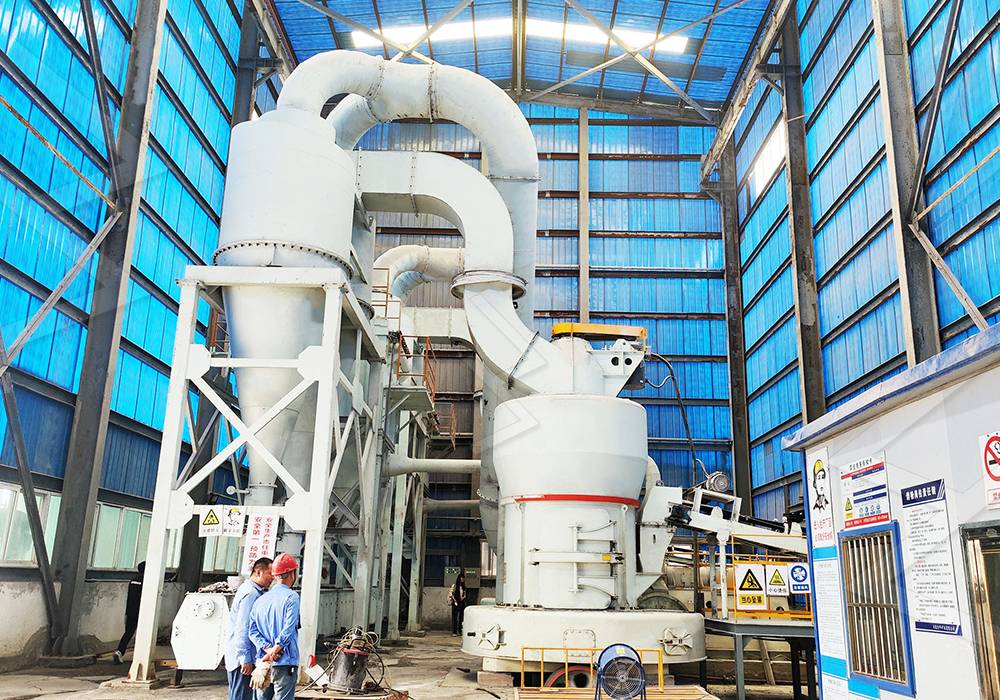
The key to optimization lies in adopting technology that provides precise control over the grinding environment. This includes adjustable grinding pressure, accurate classification of particles, and efficient handling of the generated heat and dust. A system that integrates drying, grinding, and separating into a single, compact unit can significantly reduce energy losses and footprint.
Technological Advancement: The Path to Superior Powder
Modern vertical grinding mills have revolutionized mineral processing. Unlike traditional systems, they employ a bed-compression grinding principle rather than impact or attrition alone. This method is not only more efficient but also generates less heat, preserving the chemical properties and whiteness of the marble—a critical quality指标 (indicator).
For operations requiring ultra-fine powders (fineness exceeding 325 mesh), we highly recommend considering our MW Ultrafine Grinding Mill. This machine is specifically engineered for customers who need to make ultra-fine powder with exceptional precision. With an input size of 0-20 mm and a capacity range of 0.5-25 tph, it offers remarkable flexibility. Its cage-type powder selector, incorporating German technology, allows for precise fineness adjustment between 325-2500 meshes, ensuring your product meets the most stringent specifications. A significant advantage is its design; with no rolling bearings or screws in the grinding chamber, it eliminates common failure points and allows for external lubrication without shutdown, enabling continuous 24/7 production.
Beyond Grinding: Holistic System Integration
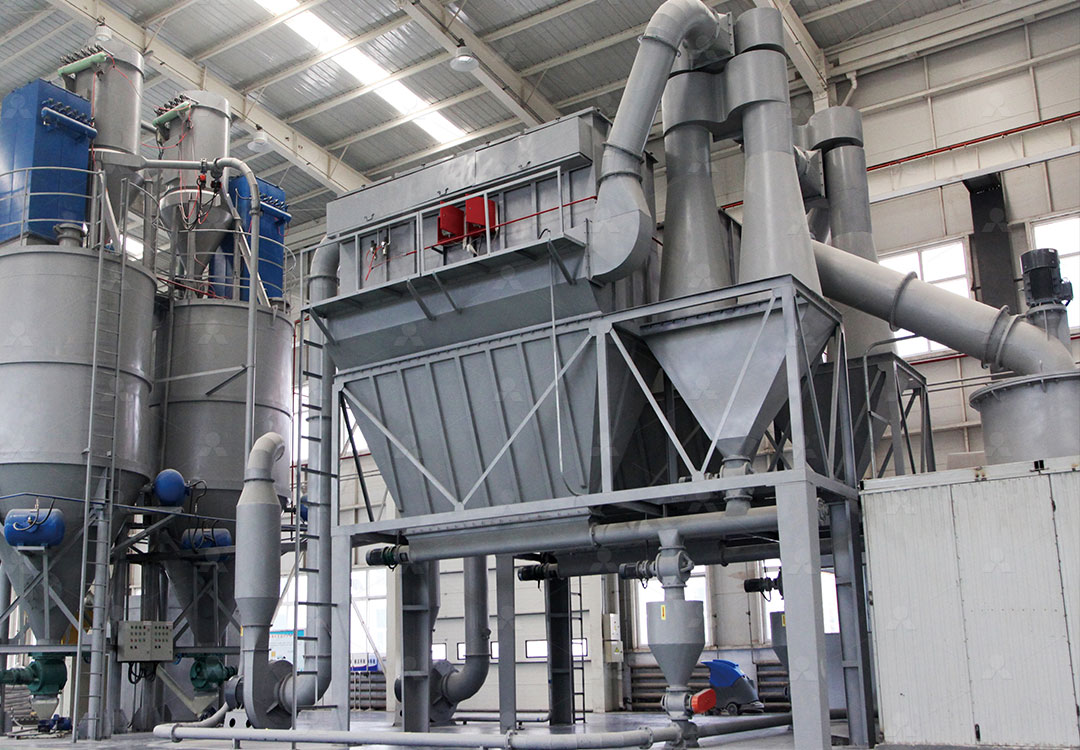
True optimization extends beyond the mill itself. Efficient feeding systems ensure a consistent and steady flow of material to the grinding chamber, preventing overloads and ensuring uniform wear. An integrated and high-efficiency pulse dust collector is non-negotiable. It not only recovers valuable product but also ensures the entire milling system operates without dust pollution, meeting national environmental protection standards. Our MW Mill is equipped with such a system, alongside a muffler and noise elimination room, making the entire operation noticeably quieter and cleaner.
For larger scale production or when handling slightly moist feed, our LUM Ultrafine Vertical Grinding Mill presents an excellent alternative. It integrates the latest roller technology and German powder separating technology, offering higher yielding rates and better product quality. Its unique reversible structure simplifies maintenance significantly, allowing grinding rollers to be easily moved out for inspection, thereby reducing costly downtime.
Conclusion: Investing in Intelligent Grinding
Optimizing marble powder production is an investment that pays dividends in reduced operating costs, higher product quality, and improved environmental compliance. By moving away from outdated technology and embracing intelligent, vertically-integrated grinding systems like the MW or LUM Ultrafine Mills, producers can achieve a level of efficiency and product consistency that was previously unattainable. The future of marble powder lies in precision, sustainability, and reliability—goals that are now within easy reach.