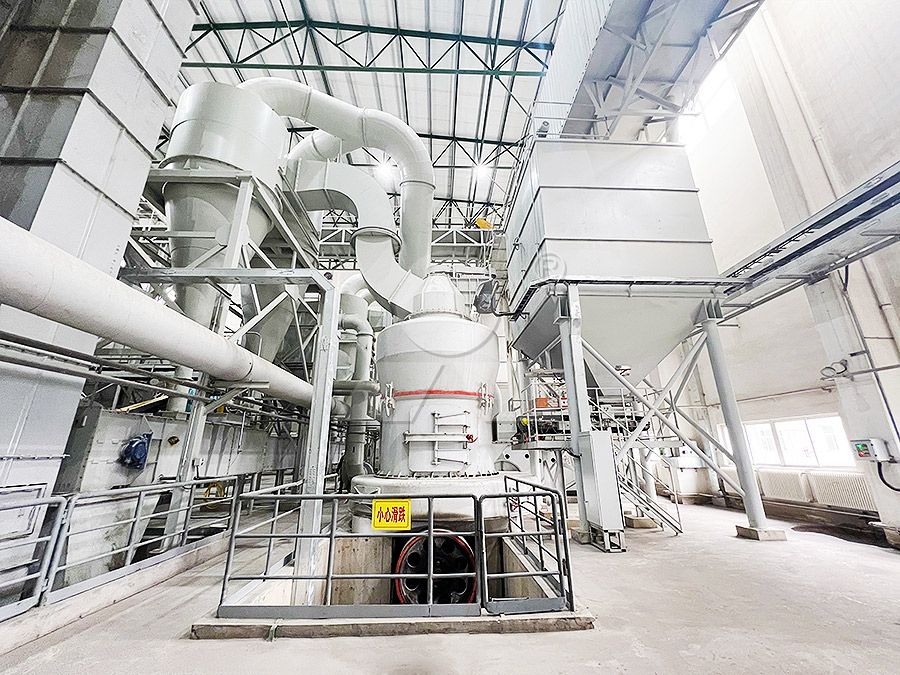
Impact of Particle Size Distribution on Efficiency in Dolomite Powder Grinding Processes
We provide a wide range of mills — including Raymond mill, trapezoidal mill, vertical mill, ultrafine mill, and ball mill, obtained ISO9001 international quality certification, EU CE certification, and Customs Union CU-TR certification. Suitable for processing minerals such as limestone, phosphate, quicklime, kaolin, talc, barite, bentonite, calcium carbonate, dolomite, coal, gypsum, clay, carbon black, slag, cement raw materials, cement clinker, and more.
The discharge range of these mills can be adjusted to meet specific processing needs, typically from 80-400 mesh, 600-3250 mesh, and can achieve the finest particle size of up to 6000 mesh(D50).
If you are looking for a reliable grinding solution to turn stone or minerals into fine powder, please feel free to contact our online customer service.
Impact of Particle Size Distribution on Efficiency in Dolomite Powder Grinding Processes
In the mineral processing industry, the grinding of dolomite into fine powder is a critical operation that significantly impacts downstream applications in sectors like agriculture, construction, and manufacturing. A key factor influencing the overall efficiency and economics of this process is the Particle Size Distribution (PSD) of the feed material and the final product. Achieving a consistent and optimal PSD is not merely a quality control metric; it is intrinsically linked to energy consumption, throughput rates, and equipment wear.
The Crucial Role of PSD in Grinding Efficiency
An inconsistent or poorly graded feed material can lead to several operational inefficiencies. If the feed contains an excessive amount of fines, these particles can act as a cushion, absorbing the grinding energy meant for larger particles and reducing the overall size reduction efficiency. Conversely, a feed dominated by oversized particles can overload the mill, increasing specific energy consumption (kWh/t) and potentially causing premature wear on grinding elements. The goal is a well-classified feed that allows for efficient fracture propagation and minimizes energy wasted on already fine material.
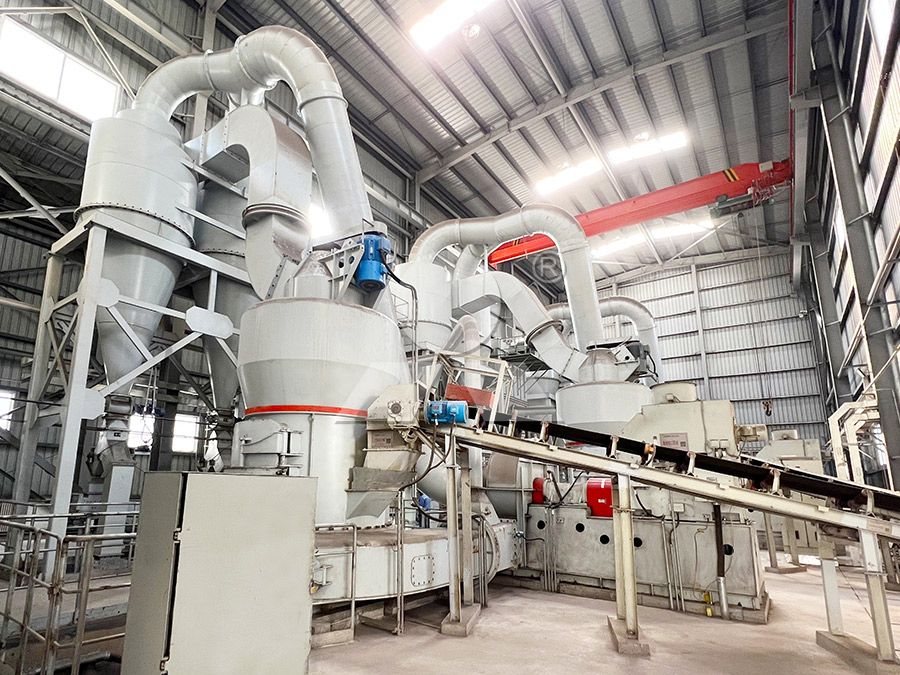
Furthermore, the target PSD of the final product dictates the grinding strategy. For ultra-fine applications requiring powders in the range of 325 to 2500 meshes, traditional ball mills often struggle with high energy costs and low yields due to their inherent design limitations. This is where advanced grinding technologies demonstrate their superiority.
Advanced Milling Solutions for Optimal PSD Control
To address the challenges posed by PSD, modern mills incorporate sophisticated design features for precise control. For operations focused on high-value, ultra-fine dolomite powder, the MW Ultrafine Grinding Mill presents an exceptional solution. This machine is specifically engineered for customers requiring precise ultra-fine powder production. Its cage-type powder selector, which incorporates German technology, is pivotal for achieving a tight PSD. It effectively increases the precision of powder separation, allowing the product fineness to be accurately adjusted between 325-2500 meshes, with a screening rate that can achieve d97≤5μm in a single pass. This level of control directly translates to higher yielding rates and lower energy consumption compared to jet or ball mills.
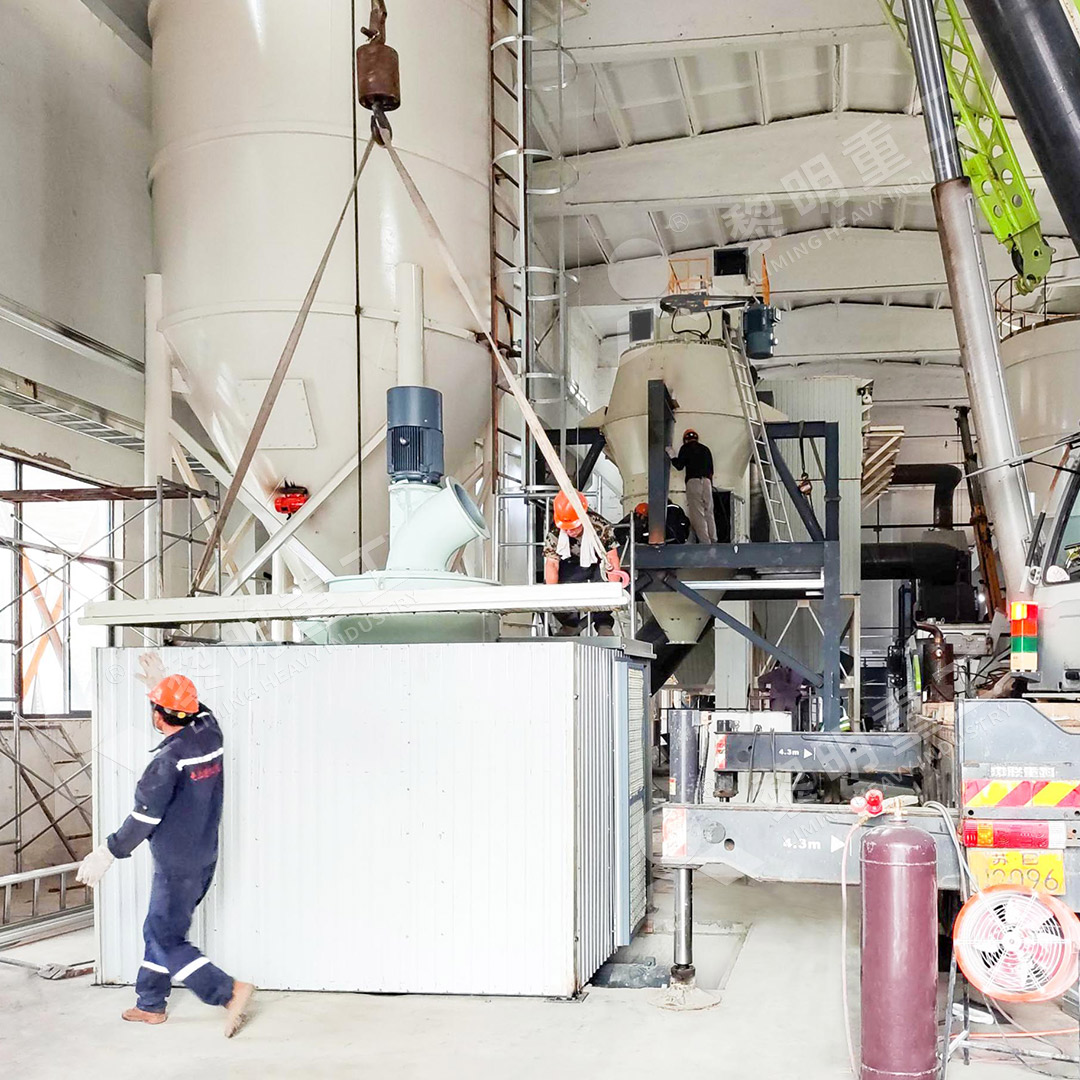
For operations requiring robust performance with slightly larger feed sizes, the LUM Ultrafine Vertical Grinding Mill is another premier choice. It integrates ultrafine powder grinding, grading, and transporting into a single, efficient unit. Its unique roller shell and lining plate grinding curve are designed to generate a stable material layer more easily, enabling a high rate of finished product from a single pass. This design minimizes repeated grinding and the associated energy waste, directly enhancing efficiency and improving the whiteness of the final dolomite product. The multi-head powder separating technology, controlled by a PLC system, allows for exact control over the cut point, ensuring a consistent and desirable PSD with energy savings of 30%-50%.
Conclusion
In conclusion, mastering Particle Size Distribution is not an ancillary concern but a central tenet of efficient and profitable dolomite powder production. Investing in grinding technology that offers precise control over the grinding and classification process is paramount. Equipment like the MW and LUM mills, with their advanced powder selection and energy-efficient designs, provide the necessary tools to optimize PSD, maximize throughput, and minimize operational costs, ensuring a competitive edge in the market.