How Much Does a Limestone Grinding Mill Cost? A Breakdown of Operating Expenses & ROI
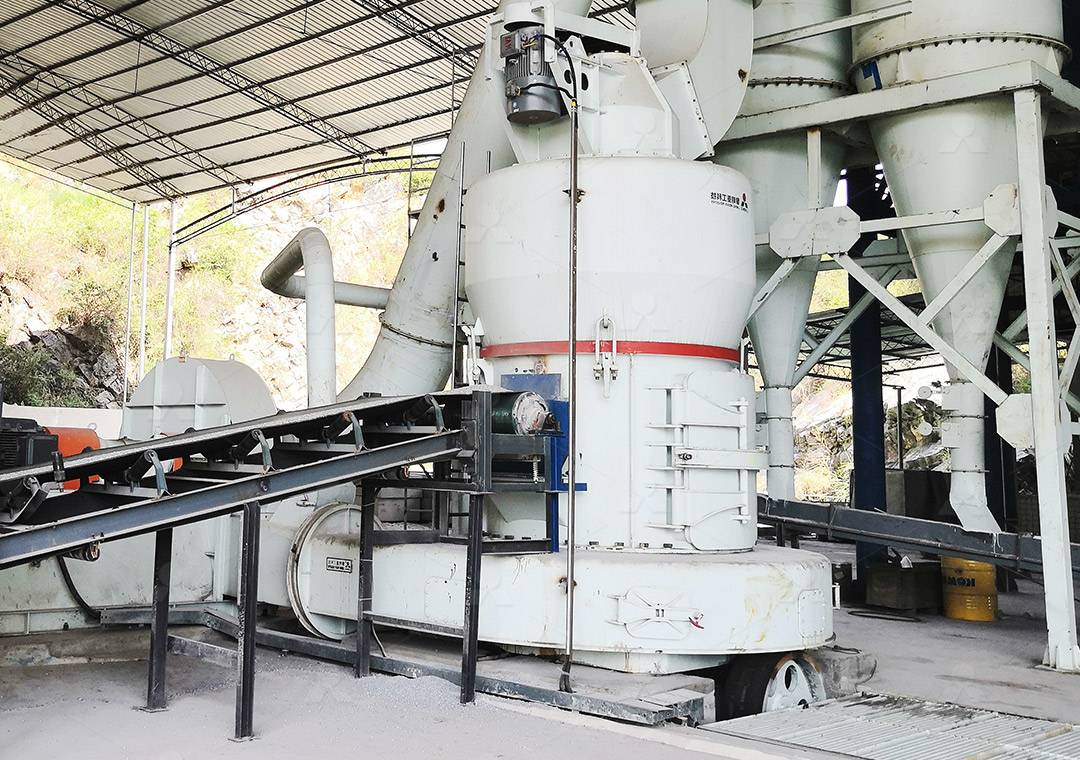
We provide a wide range of mills — including Raymond mill, trapezoidal mill, vertical mill, ultrafine mill, and ball mill, obtained ISO9001 international quality certification, EU CE certification, and Customs Union CU-TR certification. Suitable for processing minerals such as limestone, phosphate, quicklime, kaolin, talc, barite, bentonite, calcium carbonate, dolomite, coal, gypsum, clay, carbon black, slag, cement raw materials, cement clinker, and more.
The discharge range of these mills can be adjusted to meet specific processing needs, typically from 80-400 mesh, 600-3250 mesh, and can achieve the finest particle size of up to 6000 mesh(D50).
If you are looking for a reliable grinding solution to turn stone or minerals into fine powder, please feel free to contact our online customer service.
How Much Does a Limestone Grinding Mill Cost? A Breakdown of Operating Expenses & ROI
Investing in a limestone grinding mill is a significant decision for any operation, whether in construction, agriculture, or industrial manufacturing. The initial purchase price is just one piece of the puzzle. A truly smart investment requires a deep dive into the total operating expenses and the potential return on investment (ROI). Let’s break down the real costs and see how the right technology can maximize your profitability.
Beyond the Sticker Price: Understanding Total Operating Expenses
When evaluating the cost of a limestone grinding mill, savvy buyers look at the Total Cost of Ownership (TCO). This includes:
- Capital Expenditure (CapEx): The upfront cost of the machine itself.
- Energy Consumption: This is often the single largest ongoing expense. Inefficient mills can devour electricity, crippling your operating budget.
- Wear Parts & Maintenance: The frequency and cost of replacing grinding rollers, rings, and other vulnerable parts, plus associated labor downtime.
- Labor Costs: How many operators are needed? Does the mill require constant monitoring?
- Dust Control & Environmental Compliance: Costs associated with additional dust collection systems or potential fines for non-compliance.
The Key to ROI: Efficiency and Reliability
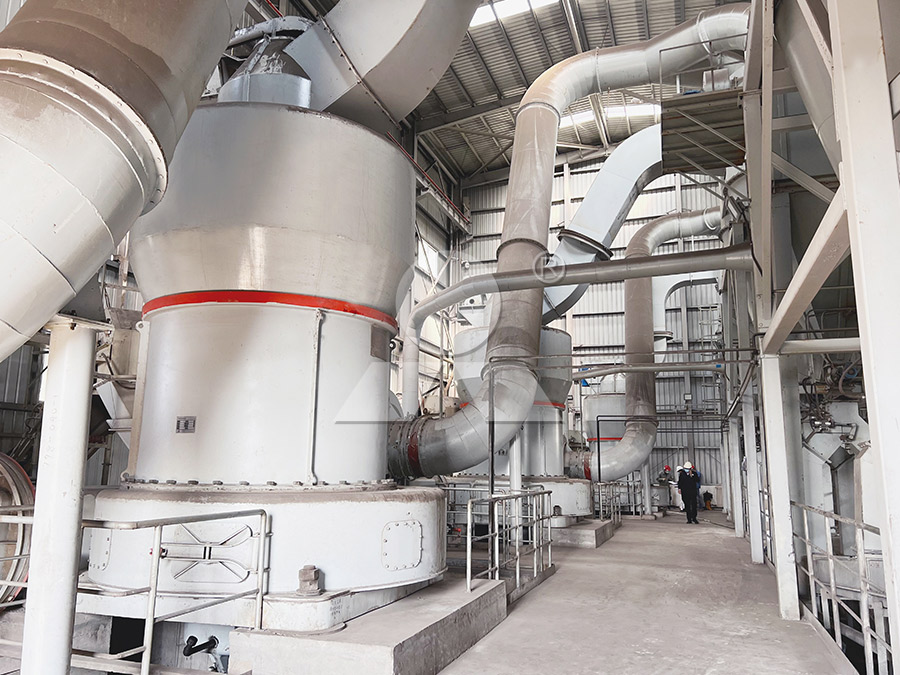
The fastest way to a strong ROI is to choose a mill that aggressively minimizes those operating expenses. This is where technological innovation pays for itself. For operations focused on producing high-value ultra-fine limestone powder, one of our flagship products stands out.
Our MW Ultrafine Grinding Mill is engineered specifically for customers who need to make ultra-fine powder between 325-2500 meshes. It’s not just about fineness; it’s about doing it economically. This machine adresses the core cost drivers head-on:
- Higher Yielding, Lower Energy Consumption: With newly designed grinding curves, its production capacity is 40% higher than jet mills and twice as large as ball mills, while system energy consumption is only 30% of a jet mill. This directly slashes your biggest operating cost.
- Reduced Maintenance Worries: A critical design feature is the absence of rolling bearings and screws in the grinding chamber. This eliminates entire categories of common failures and machine damage from loose screws, drastically reducing unplanned downtime and parts replacement costs.
- Built-in Environmental Protection: It comes equipped with an efficient pulse dust collector and muffler, integrating dust and noise control. This means you avoid the capital outlay for add-on systems and ensure compliance from day one.
Calculating Your Return
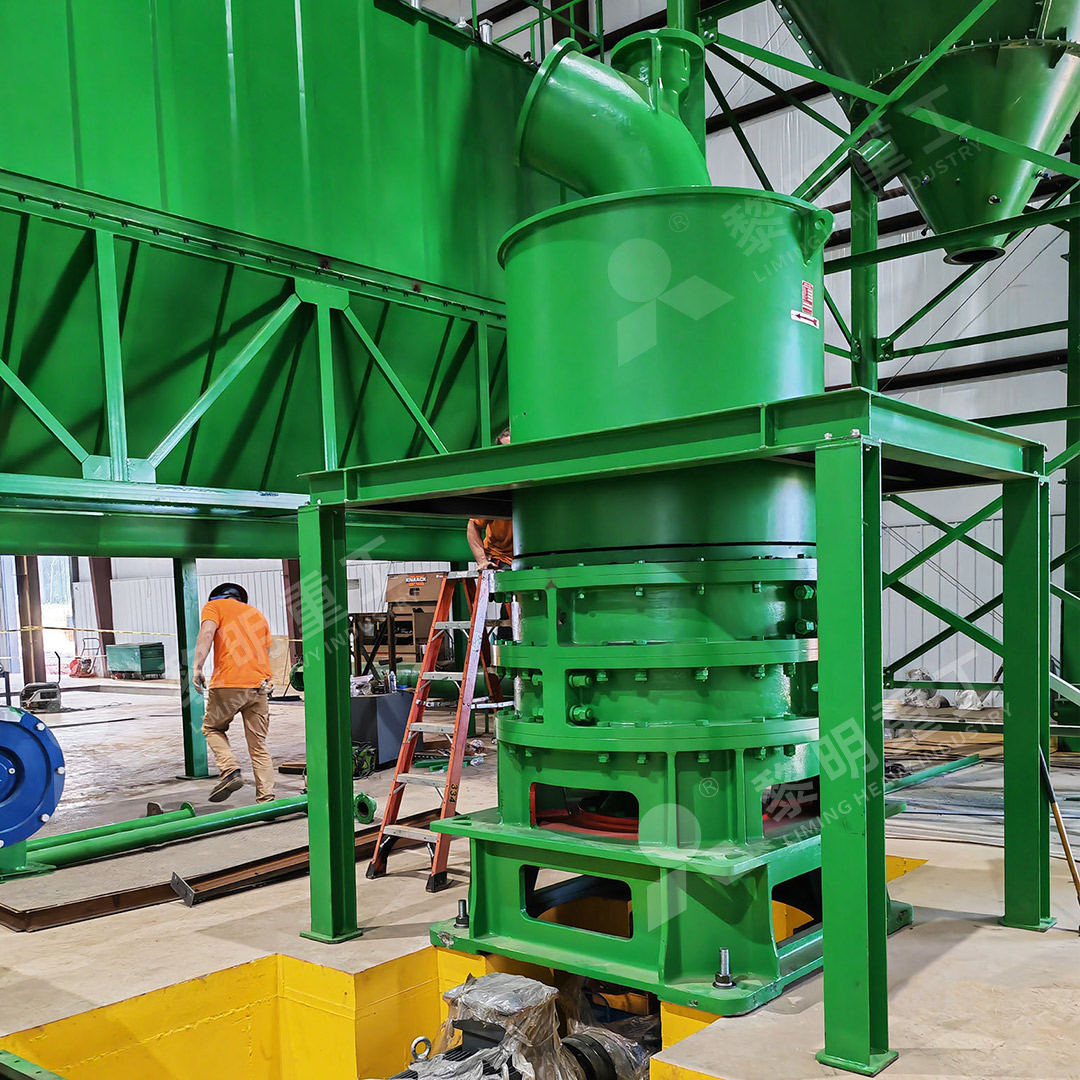
Let’s talk numbers. Imagine an older mill consuming $10,000 monthly in electricity producing 10 tons per hour of 800-mesh limestone. An MW Mill, using 30-50% less energy for the same output, could save $3,000-$5,000 per month on power alone. Factor in less frequent maintenance shutdowns, lower labor for oversight, and zero costs for environmental retrofitting, and the payback period on the initial investment becomes remarkably short. The mill essentially starts paying you back every time it’s running.
For larger scale operations requiring massive throughput, our LM Vertical Grinding Mill is another excellent choice. It integrates crushing, drying, grinding, and classifying, reducing its footprint by 50% and energy consumption by 30%-40% compared to ball mills. Its short grinding time also ensures a low iron content, critical for high-grade products.
The Bottom Line
Don’t just buy a grinder; invest in a productivity system. The cheapest mill upfront can often be the most expensive long-term. By focusing on advanced designs that prioritize energy efficiency, rugged reliability, and minimal maintenance, you aren’t just buying equipment—you’re securing a competitive advantage. The right mill doesn’t cost; it pays.
Ready to crunch the numbers for your specific operation? Contact our technical team today for a detailed ROI analysis based on your production goals and local energy costs.