
How Does a Water Slag Micro-Powder Grinding Mill Work? Complete Equipment Process Explained
We provide a wide range of mills — including Raymond mill, trapezoidal mill, vertical mill, ultrafine mill, and ball mill, obtained ISO9001 international quality certification, EU CE certification, and Customs Union CU-TR certification. Suitable for processing minerals such as limestone, phosphate, quicklime, kaolin, talc, barite, bentonite, calcium carbonate, dolomite, coal, gypsum, clay, carbon black, slag, cement raw materials, cement clinker, and more.
The discharge range of these mills can be adjusted to meet specific processing needs, typically from 80-400 mesh, 600-3250 mesh, and can achieve the finest particle size of up to 6000 mesh(D50).
If you are looking for a reliable grinding solution to turn stone or minerals into fine powder, please feel free to contact our online customer service.
Introduction to Water Slag Micro-Powder Grinding
Water slag, a byproduct of steel production, is increasingly being recycled into valuable materials through micro-powder grinding. This process transforms slag into fine powders used in cement, concrete additives, and other industrial applications. Understanding the grinding mill’s operation is key to optimizing efficiency and output quality.
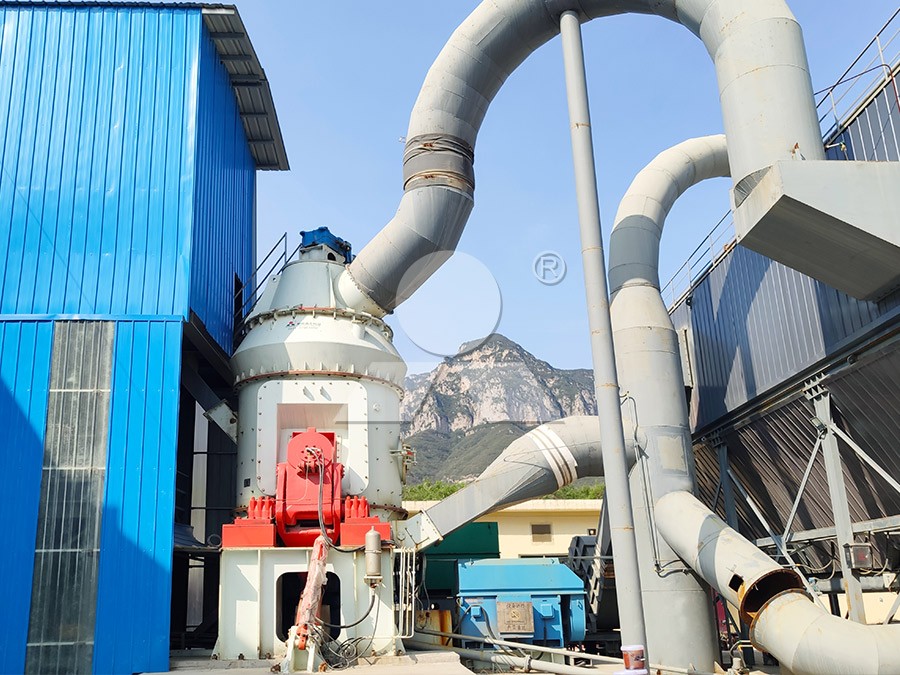
Core Components of the Grinding System
A complete water slag grinding system typically includes:
- Jaw crusher for preliminary size reduction
- Bucket elevator for material transport
- Vibrating feeder for controlled material input
- Grinding mill (the central processing unit)
- Powder separator for particle classification
- Pulse dust collector for environmental protection
- Electrical control system
The Grinding Process Step-by-Step
- Material Preparation: Raw water slag (0-20mm) is crushed to uniform size
- Feeding: Material enters the grinding chamber via screw conveyor
- Grinding: Multiple rollers compress and shear material against rotating grinding table
- Classification: Airflow carries powder to separator where coarse particles are recycled
- Collection: Fine powder (325-2500 mesh) is collected in cyclone separator
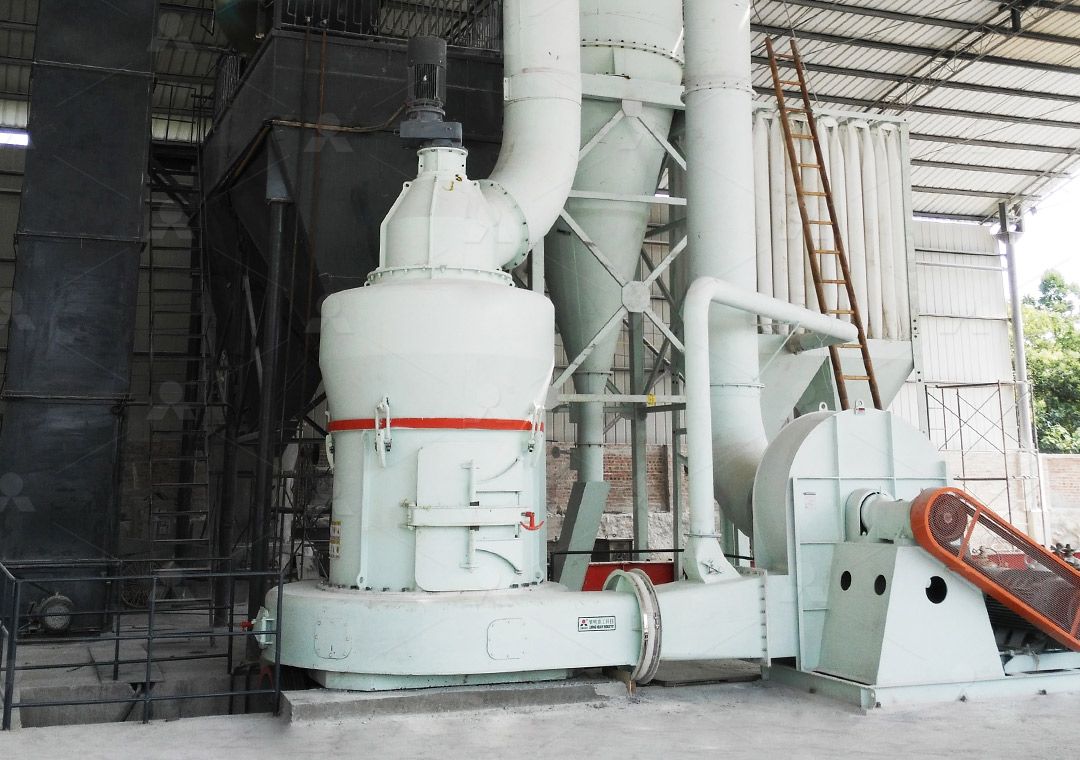
Recommended Equipment: MW Ultrafine Grinding Mill
For water slag processing, our MW Ultrafine Grinding Mill stands out with:
- Capacity: 0.5-25 tph for various production needs
- Adjustable fineness between 325-2500 meshes
- 40% higher efficiency than traditional ball mills
- Integrated pulse dust collection system
- Special wear-resistant materials for slag processing
The MW series adopts German powder separation technology and features external lubrication for continuous 24/7 operation – perfect for large-scale slag recycling projects.
Advanced Technological Features
Modern slag grinding mills incorporate several innovations:
1. Multi-Layer Grinding Principle
The material undergoes progressive grinding through multiple layers of rollers and grinding rings, ensuring uniform particle size distribution. Our LUM Ultrafine Vertical Grinding Mill takes this further with its unique roller shell design that creates optimal material bedding.
2. Intelligent Control Systems
PLC systems automatically adjust:
- Grinding pressure via hydraulic systems
- Classifier rotor speed for precise fineness control
- Feed rate based on motor load
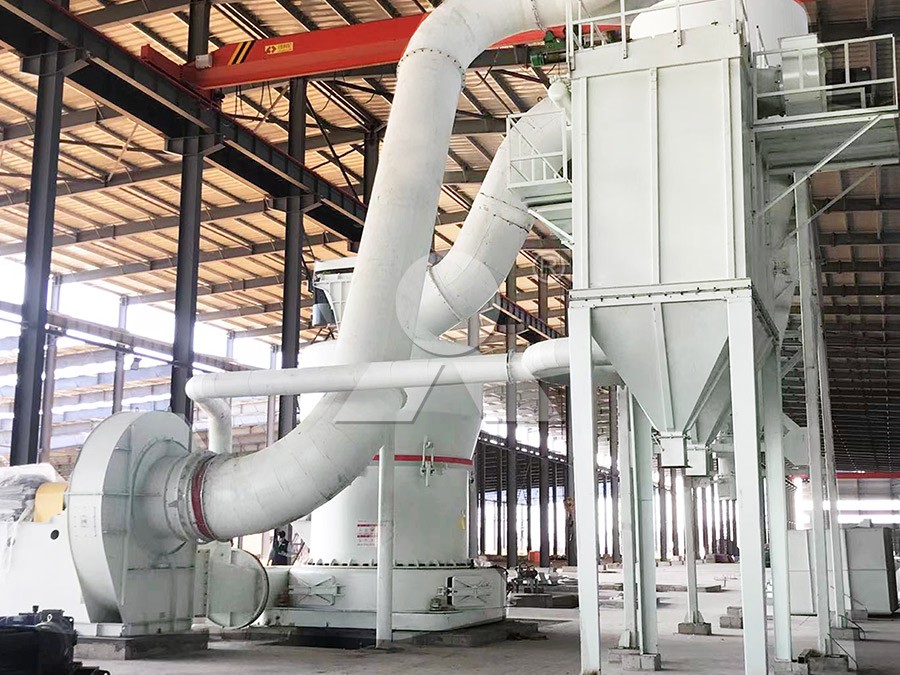
3. Environmental Protection Measures
Key features include:
- Pulse jet dust collectors with 99.9% efficiency
- Sound insulation rooms reducing noise to <75dB
- Closed-circuit systems preventing material leakage
Conclusion
Water slag micro-powder grinding represents both an environmental solution and economic opportunity. By selecting advanced equipment like our MW or LUM series grinding mills, operators can achieve high yields of quality powder while minimizing energy consumption and maintenance costs. The integration of automated controls and environmental protections makes modern slag grinding systems both productive and sustainable.