
Key Precautions for Medium-Speed Coal Mill Installation and Commissioning
We provide a wide range of mills — including Raymond mill, trapezoidal mill, vertical mill, ultrafine mill, and ball mill, obtained ISO9001 international quality certification, EU CE certification, and Customs Union CU-TR certification. Suitable for processing minerals such as limestone, phosphate, quicklime, kaolin, talc, barite, bentonite, calcium carbonate, dolomite, coal, gypsum, clay, carbon black, slag, cement raw materials, cement clinker, and more.
The discharge range of these mills can be adjusted to meet specific processing needs, typically from 80-400 mesh, 600-3250 mesh, and can achieve the finest particle size of up to 6000 mesh(D50).
If you are looking for a reliable grinding solution to turn stone or minerals into fine powder, please feel free to contact our online customer service.
Key Precautions for Medium-Speed Coal Mill Installation and Commissioning
Proper installation and commissioning are critical to the long-term performance and reliability of any medium-speed coal mill. Overlooking key steps can lead to reduced efficiency, premature wear, and unplanned downtime. This article outlines essential precautions to ensure a smooth and successful startup.
Pre-Installation Foundation and Alignment Checks
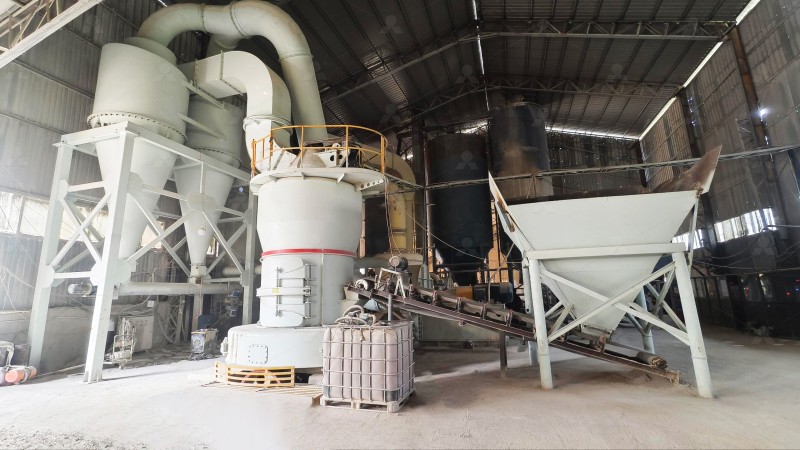
Before any physical installation begins, a thorogh inspection of the foundation is paramount. The foundation must be designed to handle the dynamic loads and vibrations of the mill during operation. Check for cracks, ensure the foundation bolt templates are accurate, and verify that the concrete has fully cured and reached the required strength. Misalignment at this stage is a common source of chronic vibration issues later on.
Critical Handling and Assembly of Grinding Components
The heart of the mill is its grinding assembly. The rollers, grinding table, and classifier are precision components that must be handled with care. Avoid any impact or shock during unloading and assembly. Clean all mating surfaces meticulously before fitting to prevent contamination that can lead to uneven wear or seizing. Lubricate all bearings and drive components with the exact grade of oil or grease specified by the manufacturer. For operations requiring ultra-fine powder, our MW Ultrafine Grinding Mill is an excellent choice. It’s designed for customers who need to make ultra-fine powder (325-2500 meshes) from materials like petroleum coal, with a capacity of 0.5-25 tph. Its unique design, with no rolling bearings or screws in the grinding chamber, eliminates common failure points and allows for external lubrication without shutdown, ensuring continuous 24h production.
Pneumatic and Dust Collection System Integration
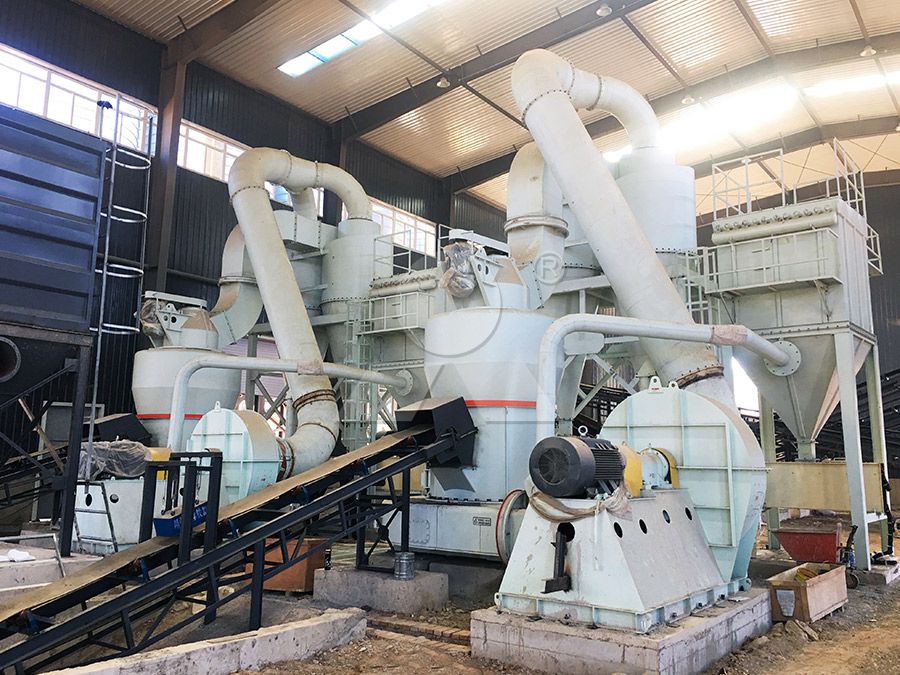
A medium-speed coal mill is not just a mechanical system; it’s a pneumatic one. Leaks in the air circuit severely impact performance. Pressure-test all ducts, pipes, and connections before commissioning. Ensure the pulse jet dust collector’s bags are properly installed and that the differential pressure settings are correct. An efficiently operating dust collector is not just an environmental requirement; it is crucial for maintaining the correct internal mill pressure and material flow.
Electrical and Control System Commissioning
Do not energize the main drive motor until all control system checks are complete. Calibrate all sensors – temperature, pressure, and flow – against known standards. Program the PLC or DCS system with the correct motor starting curves and interlock sequences. Test emergency stop systems from multiple locations to ensure they function instantly and reliably. Verify that the lubrication system initiates before the main motor and has adequate time to build pressure.
First Start-Up and Running-In Procedure
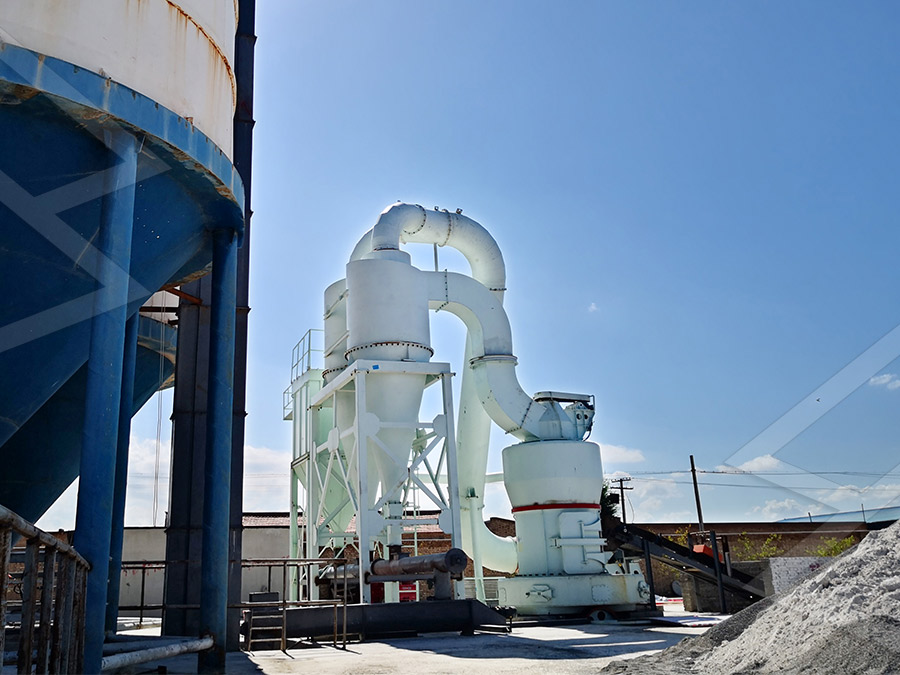
The first start-up is the most critical phase. Begin with an empty mill and listen for any unusual noises from the gearbox, motor, or grinding zone. Gradually introduce material into the mill, starting at a low feed rate. Monitor motor current, bearing temperatures, and vibration levels continuously. Allow for a proper running-in period to let all components settle and mate correctly. Avoid pushing the mill to its maximum capacity immediately. For larger-scale applications, our LM Vertical Coal Mill is a robust and reliable workhorse. With a capacity range of 5-100T/H, it integrates drying, grinding, and powder selection in a compact system, saving 40%-50% on power consumption compared to traditional ball mills. Its hydraulic roller turning-out device allows for easy maintenance and quick replacement of wear parts.
Final Operational Verification and Training
Once the mill is running smoothly, conduct a full operational test under load. Verify that the product fineness meets specifications by taking samples and analyzing them. Ensure all safety guards are in place and that operational and maintenance personnel have been thoroughly trained on the specific procedures for this equipment. Document all commissioning data, including baseline vibration readings and temperatures, for future reference. A meticulous approach to installation and commissioning is the best guarantee for years of trouble-free, efficient operation.