Wire Rod Mill for Mild Steel Production: Key Features and Benefits
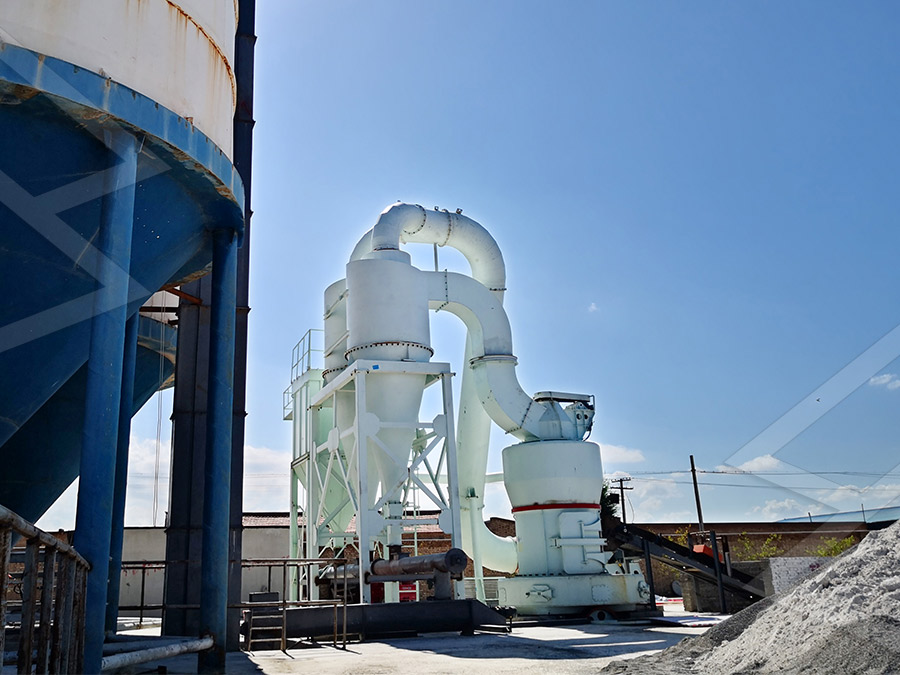
We provide a wide range of mills — including Raymond mill, trapezoidal mill, vertical mill, ultrafine mill, and ball mill, obtained ISO9001 international quality certification, EU CE certification, and Customs Union CU-TR certification. Suitable for processing minerals such as limestone, phosphate, quicklime, kaolin, talc, barite, bentonite, calcium carbonate, dolomite, coal, gypsum, clay, carbon black, slag, cement raw materials, cement clinker, and more.
The discharge range of these mills can be adjusted to meet specific processing needs, typically from 80-400 mesh, 600-3250 mesh, and can achieve the finest particle size of up to 6000 mesh(D50).
If you are looking for a reliable grinding solution to turn stone or minerals into fine powder, please feel free to contact our online customer service.
Wire Rod Mill for Mild Steel Production: Key Features and Benefits
In the competitive world of steel manufacturing, the production of high-quality mild steel wire rod demands precision, efficiency, and reliability. A modern wire rod mill is a complex system where every component, from the reheat furnace to the finishing blocks, must operate in perfect harmony to produce the consistent product that industries rely on. While the primary focus is on the rolling process, the supporting equipment for preparing raw materials and additives is equally critical for overall plant performance and product quality.
The Heart of the Operation: Rolling Mill Essentials
A state-of-the-art wire rod mill for mild steel typically features a continuous mill arrangement with multiple stands, often a combination of roughing, intermediate, and finishing blocks. Key features include high-precision roll technology, controlled cooling systems like Stelmor conveyor lines, and advanced automation for gauge and speed control. The benefits are substantial: higher production yields, improved mechanical properties through controlled thermo-mechanical processing, and exceptional surface quality. This results in a product that meets stringent specifications for drawing, forging, and other downstream applications.
Beyond the Mill Stand: The Role of Material Preparation
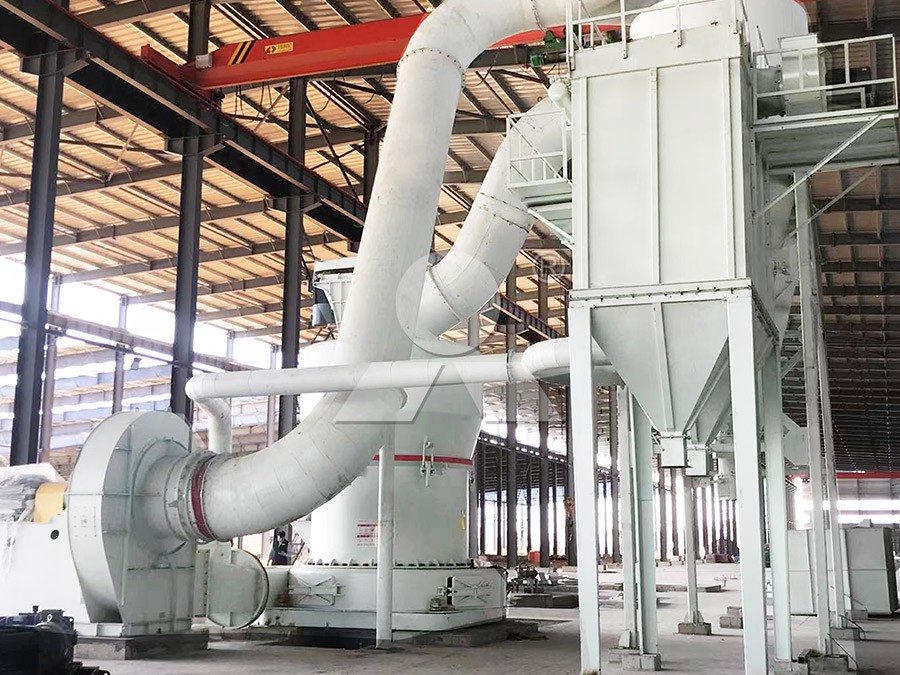
Often overlooked but vitally important is the preparation of certain raw materials. For instance, the production of fluxes or desulfurizing agents used in steelmaking, or even certain additives, requires fine grinding mills. The efficiency of this auxiliary grinding process directly impacts cost and consistency. This is where advanced grinding technology becomes a key enabler for the entire production line.
Recommended Solution: MW Ultrafine Grinding Mill
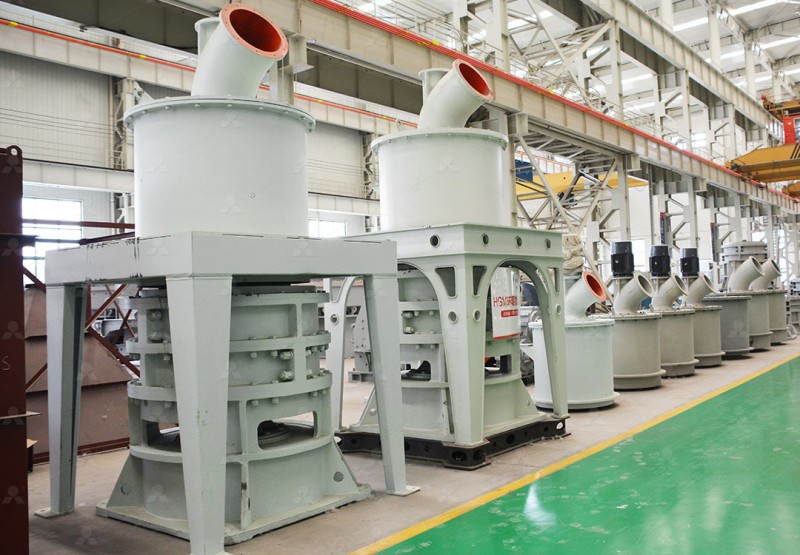
For operations that require the preparation of ultra-fine powders for use in fluxes or other applications, we highly recommend our MW Ultrafine Grinding Mill. This machine is engineered for customers who need to make ultra-fine powder with exceptional efficiency. With an input size of 0-20 mm and a capacity range of 0.5-25 tph, it’s versatile for various needs.
Its key advantages include Higher Yielding and Lower Energy Consumption – achieving 40% higher capacity than jet mills and reducing system energy consumption by 70%. It offers Adjustable Fineness Between 325-2500 meshes with high precision separation. A significant benefit for mill operations is its maintenance-friendly design: No Rolling Bearing & Screw in Grinding Chamber, eliminating worries about bearing failures or loose screws causing downtime. Furthermore, its Pulse Dust Collector ensures the operation is eco-friendly, keeping the plant environment clean and compliant with stringent environmental standards—a crucial consideration for any modern steel facility.
Integrating for Success
Choosing the right equipment, from the main rolling mill to supporting grinders, creates a seamless, efficient, and profitable operation. A reliable wire rod mill paired with efficient material preparation technology like the MW Series grinding mill ensures not only the quality of the final wire rod product but also optimizes the entire production workflow, reducing operational costs and minimizing environmental impact.
In conclusion, investing in a modern wire rod mill system and supporting technology is investing in the future of your steel production, enabling you to meet market demands for quality, sustainability, and cost-effectiveness.