
Ultrafine Water-Slag Powder Production: Grinding Process and Equipment Selection Guide
We provide a wide range of mills — including Raymond mill, trapezoidal mill, vertical mill, ultrafine mill, and ball mill, obtained ISO9001 international quality certification, EU CE certification, and Customs Union CU-TR certification. Suitable for processing minerals such as limestone, phosphate, quicklime, kaolin, talc, barite, bentonite, calcium carbonate, dolomite, coal, gypsum, clay, carbon black, slag, cement raw materials, cement clinker, and more.
The discharge range of these mills can be adjusted to meet specific processing needs, typically from 80-400 mesh, 600-3250 mesh, and can achieve the finest particle size of up to 6000 mesh(D50).
If you are looking for a reliable grinding solution to turn stone or minerals into fine powder, please feel free to contact our online customer service.
Introduction to Ultrafine Water-Slag Powder Production
Ultrafine water-slag powder is a critical material in modern construction and industrial applications, known for its high reactivity and environmental benefits. Producing this material requires advanced grinding technology to achieve the desired fineness and quality. This article explores the grinding process and highlights key equipment selection criteria, with a focus on LIMING’s cutting-edge solutions.
The Grinding Process
Grinding water slag into ultrafine powder involves several stages:
- Crushing: Raw slag is reduced to a manageable size (typically 0-20mm)
- Drying: Moisture content is reduced to optimize grinding efficiency
- Grinding: The core process where particles are reduced to micron sizes
- Classification: Separation of particles by size to ensure product uniformity
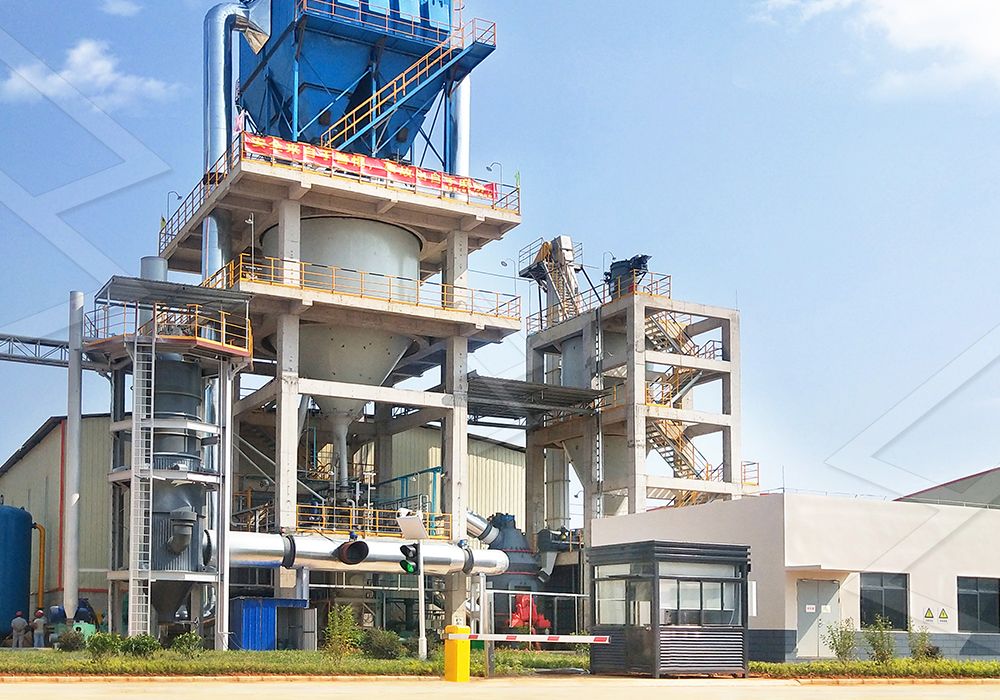
Equipment Selection Criteria
Choosing the right grinding mill is crucial for efficient water-slag powder production. Key factors to consider include:
1. Production Capacity Requirements
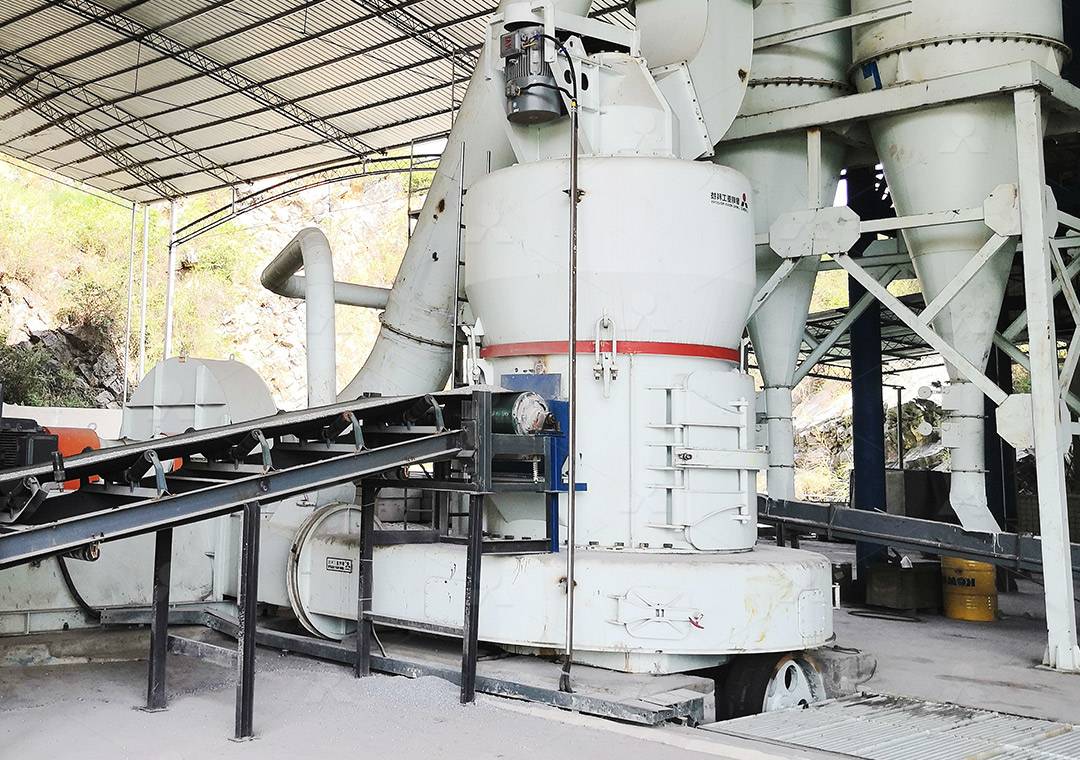
Match the mill’s throughput (tph) with your production targets. For water-slag applications, we recommend considering our MW Ultrafine Grinding Mill, which offers a capacity range of 0.5-25 tph with input sizes up to 20mm.
2. Energy Efficiency
Modern mills should reduce power consumption while maintaining output. The MW series achieves this through innovative design:
- 40% higher capacity than jet mills at same power input
- Energy consumption only 30% of conventional systems
- Advanced powder separation technology
3. Fineness Control
Water-slag applications often require precise particle size distribution. The MW Ultrafine Grinding Mill features:
- Adjustable fineness between 325-2500 meshes
- German-designed cage-type powder selector
- Ability to achieve d97≤5μm in single pass
Featured Product: MW Ultrafine Grinding Mill
For water-slag grinding applications, our MW series stands out with several advantages:
Key Features
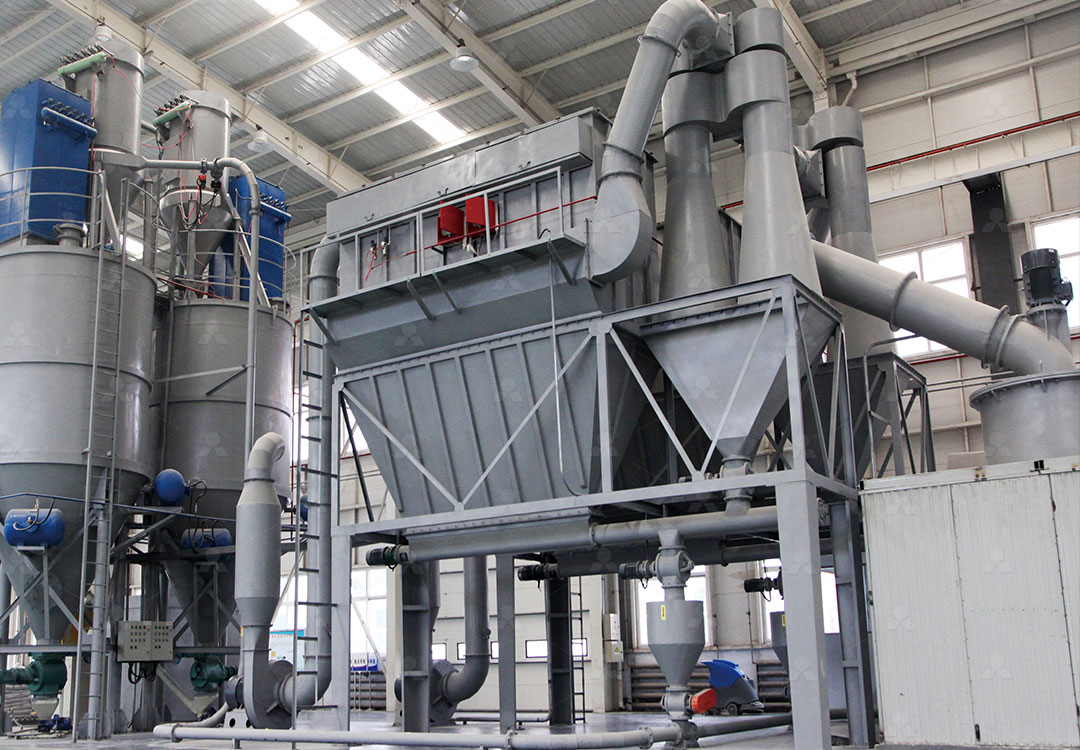
- Dust-Free Operation: Integrated pulse dust collector ensures clean production
- Low Maintenance: No rolling bearings or screws in grinding chamber
- Precision Engineering: CNC-machined core components for reliability
- Eco-Friendly: Complies with strict environmental standards
Applications
Beyond water-slag, the MW mill processes:
- Limestone, calcite, dolomite
- Gypsum, barite, marble
- Coal powder and various industrial minerals
Conclusion
Selecting the right grinding equipment is paramount for efficient water-slag powder production. The MW Ultrafine Grinding Mill from LIMING combines high capacity, energy efficiency, and precise particle control – making it an ideal solution for modern slag processing plants. With its environmentally friendly design and low maintenance requirements, it represents the next generation of grinding technology.
For operations requiring even higher throughput, we also recommend considering our LUM Ultrafine Vertical Grinding Mill, which offers capacities up to 18 tph with exceptional energy savings.