
325 Mesh Bituminous Coal Mill: A Guide to Manufacturers and Selection
We provide a wide range of mills — including Raymond mill, trapezoidal mill, vertical mill, ultrafine mill, and ball mill, obtained ISO9001 international quality certification, EU CE certification, and Customs Union CU-TR certification. Suitable for processing minerals such as limestone, phosphate, quicklime, kaolin, talc, barite, bentonite, calcium carbonate, dolomite, coal, gypsum, clay, carbon black, slag, cement raw materials, cement clinker, and more.
The discharge range of these mills can be adjusted to meet specific processing needs, typically from 80-400 mesh, 600-3250 mesh, and can achieve the finest particle size of up to 6000 mesh(D50).
If you are looking for a reliable grinding solution to turn stone or minerals into fine powder, please feel free to contact our online customer service.
325 Mesh Bituminous Coal Mill: A Guide to Manufacturers and Selection
Selecting the right grinding mill for bituminous coal processing to a fine 325 mesh is crucial for efficiency, productivity, and operational cost. The right equipment ensures optimal combustion, reduces waste, and meets stringent environmental standards. This guide will walk you through key considerations and highlight some top-tier solutions available on the market.
Key Considerations for Mill Selection
When choossing a mill for pulverizing bituminous coal, several factors demand your attention. The grindability of the coal (often measured by the Hardgrove Grindability Index or HGI), the required capacity (in tons per hour), and the desired fineness (e.g., 325 mesh) are the primary starting points. Furthermore, operational costs related to energy consumption, wear part replacement frequency, and maintenance downtime are critical for long-term profitability. Environmental regulations also necessitate systems with integrated, efficient dust collection and noise reduction capabilities.
Types of Mills for Coal Grinding
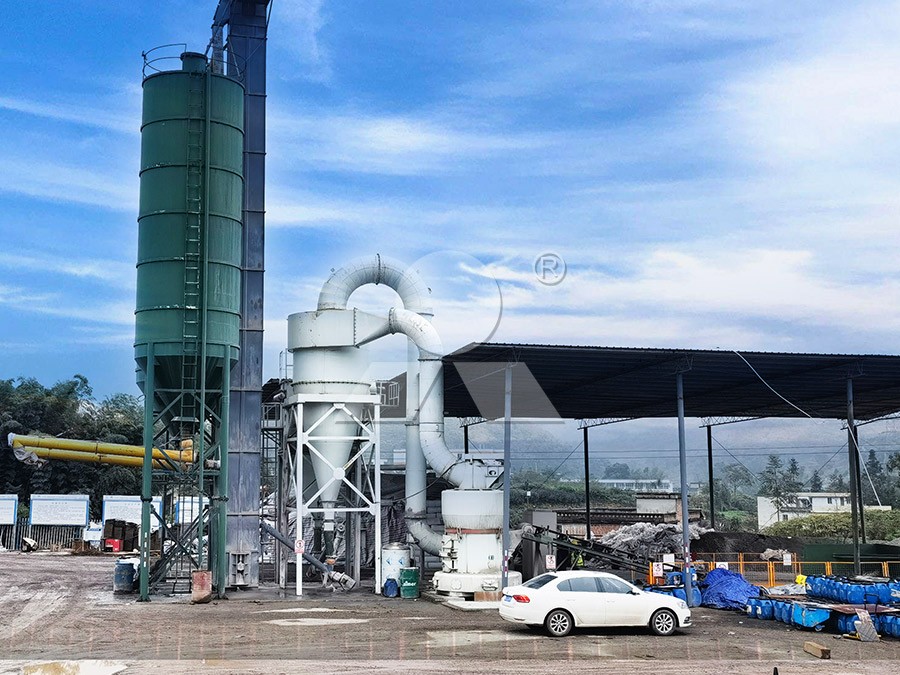
The industry utilizes various mill types, each with its strengths. Traditional Ball Mills and Raymond Mills are common but can be less efficient for modern high-capacity, ultra-fine applications. Vertical Roller Mills (VRMs) have gained significant popularity due to their compact design, lower energy consumption, and integrated drying and grinding functions, making them exceptionally suited for moist materials like coal.
Recommended Solution: MW Ultrafine Grinding Mill
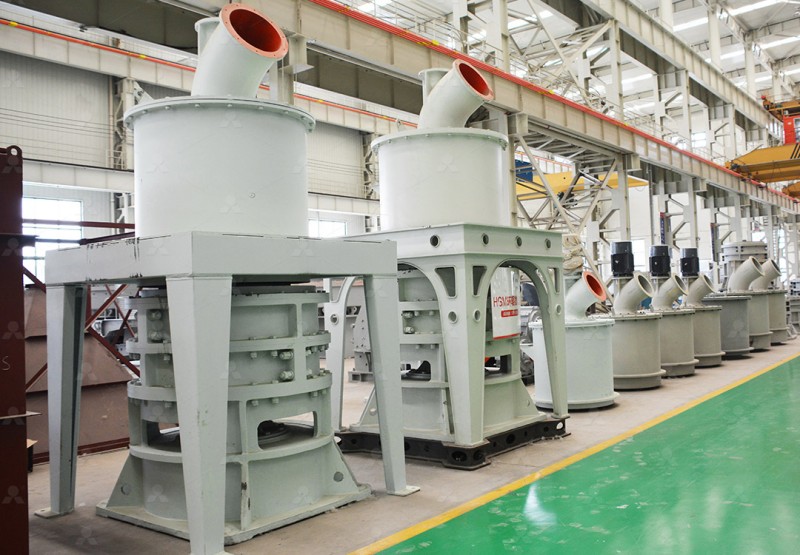
For operations demanding ultra-fine powder with superior efficiency, we highly recommend our MW Ultrafine Grinding Mill. This machine is expertly engineered for customers who need to make ultra-fine powder like pulverized bituminous coal.
Key Specifications:
– Input Size: 0-20 mm
– Capacity: 0.5-25 tph
– Fineness: Adjustable between 325-2500 meshes
The MW Mill boasts several innovative features that set it apart. Its newly designed grinding curves enhance efficiency, offering 40% higher production capacity than jet mills with the same power input. Its cage-type powder selector, incorporating German technology, ensures precise separation for a consistent product fineness. A significant maintenance advantage is the absence of rolling bearings and screws in the grinding chamber, eliminating common failure points and allowing for external lubrication without shutdown. Coupled with an efficient pulse dust collector and muffler, the entire system operates with minimal environmental impact, keeping dust and noise pollution well within standards.
Another Strong Contender: LUM Ultrafine Vertical Grinding Mill
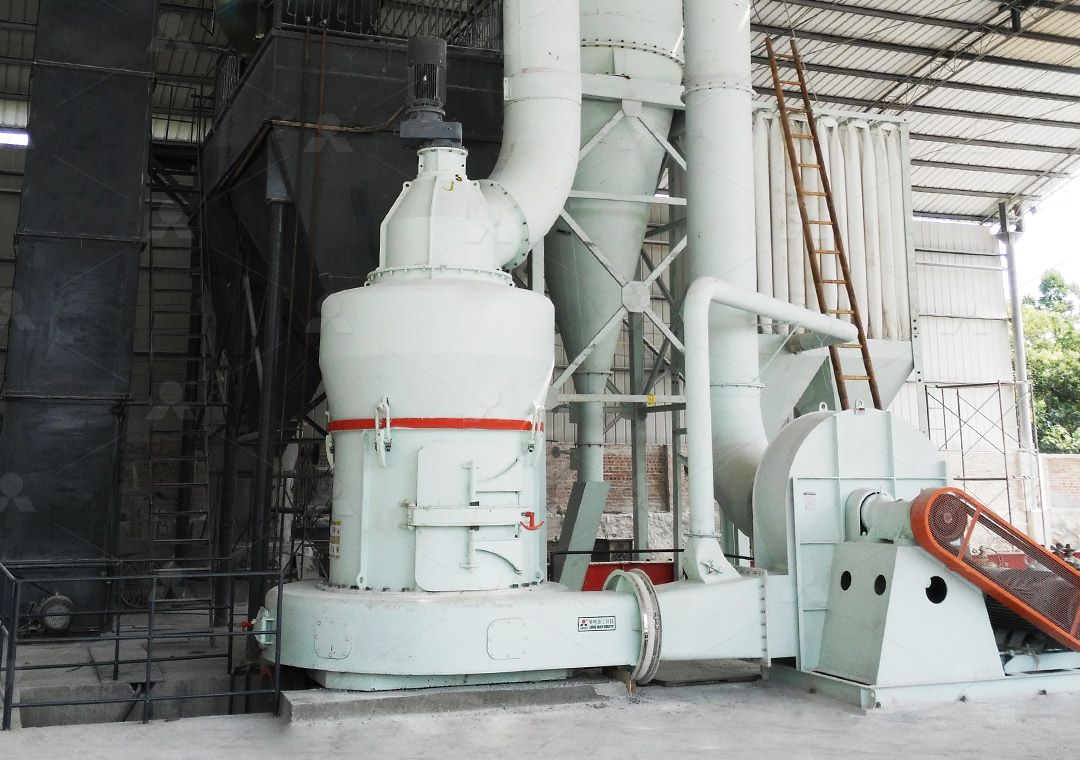
For operations prioritizing stability and easy maintenance, our LUM Ultrafine Vertical Grinding Mill is another excellent choice. It integrates the latest grinding roller and powder separating technologies.
Key Specifications:
– Input Size: 0-10 mm
– Capacity: 5-18 tph
The LUM Mill’s unique roller shell and lining plate design promote easier material layer formation, enabling a high rate of finished product in a single pass. Its double position-limiting technology protects the mill from destructive vibrations, ensuring remarkable operational stability. The reversible structure is a game-changer for maintenance, allowing grinding rollers to be easily moved out of the mill body for inspection and part replacement, drastically reducing downtime and associated losses.
Making the Final Decision
Your final selection should be based on a thorough analysis of your specific raw material properties, production goals, and site conditions. We advise requesting test runs and detailed quotations from manufacturers to compare performance data and total cost of ownership directly.
Investing in the right technology, such as our MW or LUM mills, will pay dividends through enhanced productivity, reduced energy bills, and reliable, worry-free operation. Always partner with a manufacturer known for quality, precision engineering, and comprehensive after-sales support.