
What Are the Common Uses of Dolomite Powder in Industry?
We provide a wide range of mills — including Raymond mill, trapezoidal mill, vertical mill, ultrafine mill, and ball mill, obtained ISO9001 international quality certification, EU CE certification, and Customs Union CU-TR certification. Suitable for processing minerals such as limestone, phosphate, quicklime, kaolin, talc, barite, bentonite, calcium carbonate, dolomite, coal, gypsum, clay, carbon black, slag, cement raw materials, cement clinker, and more.
The discharge range of these mills can be adjusted to meet specific processing needs, typically from 80-400 mesh, 600-3250 mesh, and can achieve the finest particle size of up to 6000 mesh(D50).
If you are looking for a reliable grinding solution to turn stone or minerals into fine powder, please feel free to contact our online customer service.
What Are the Common Uses of Dolomite Powder in Industry?
Dolomite, a calcium magnesium carbonate mineral (CaMg(CO3)2), is a versatile industrial material prized for its unique properties. When processed into a fine powder, its applications span numerous sectors, from construction to agriculture and beyond. Understanding these uses is crucial for industries seeking efficient and cost-effective material solutions.
Construction and Building Materials
One of the primary consumers of dolomite powder is the construction industry. It serves as a key aggregate in asphalt and concrete, enhancing durability and resistance to weathering. Its whiteness and ability to bind with other materials make it an excellent filler in paints, primers, and putties. Furthermore, dolomite powder is a vital raw material in the manufacture of glass and ceramics, where its magnesium content improves thermal stability and resistance to chemical attack.
Agriculture and Soil Conditioning
In agriculture, dolomite powder is invaluable as a soil conditioner. It neutralizes acidic soils by raising the pH level, making essential nutrients like nitrogen, potassium, and phosphorus more available to plants. The magnesium in dolomite is a crucial component of chlorophyll, directly promoting healthier plant growth and higher crop yields. It’s a natural and effective alternative to synthetic fertilizers.
Environmental and Industrial Applications
Dolomite’s chemical properties make it a go-to material for environmental remediation. It is widely used in flue gas desulfurization systems at power plants to scrub sulfur dioxide (SO2) from emissions, helping to reduce acid rain. In water treatment facilities, it adjusts the pH of acidic water. Industrially, it acts as a flux agent in steel making and as a source of magnesium metal.
The Importance of Precision Grinding
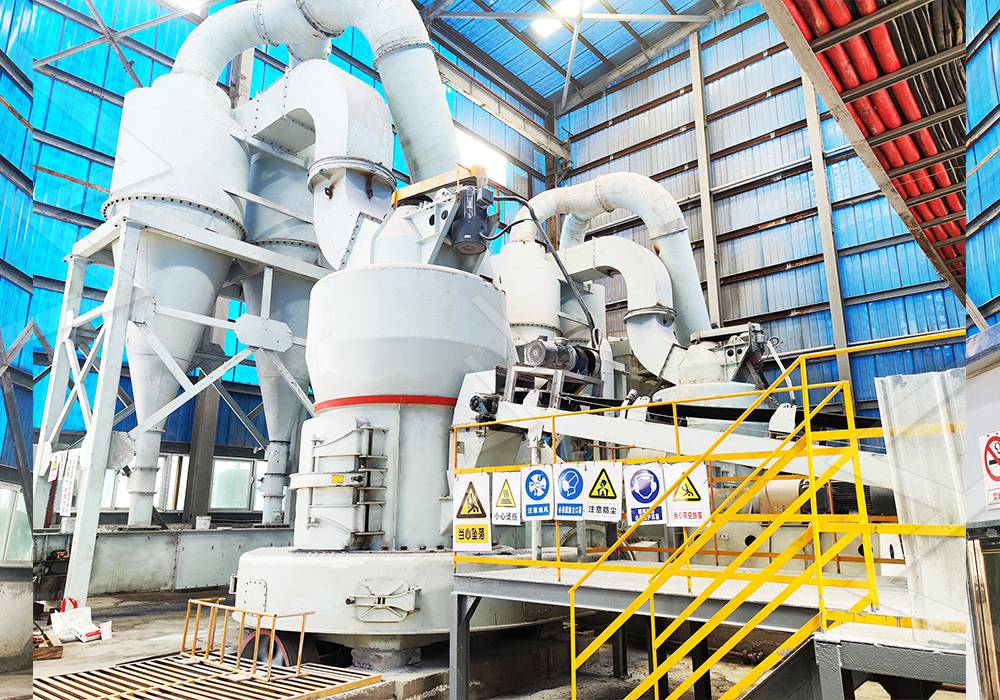
The efficacy of dolomite in these applications is heavily dependent on achieving the correct particle size and purity. This is where advanced milling technology becomes critical. Standard grinding mills can struggle with the hardness and abrasiveness of dolomite, leading to high energy costs, excessive wear, and inconsistent product quality.
Recommended Solution: MW Ultrafine Grinding Mill
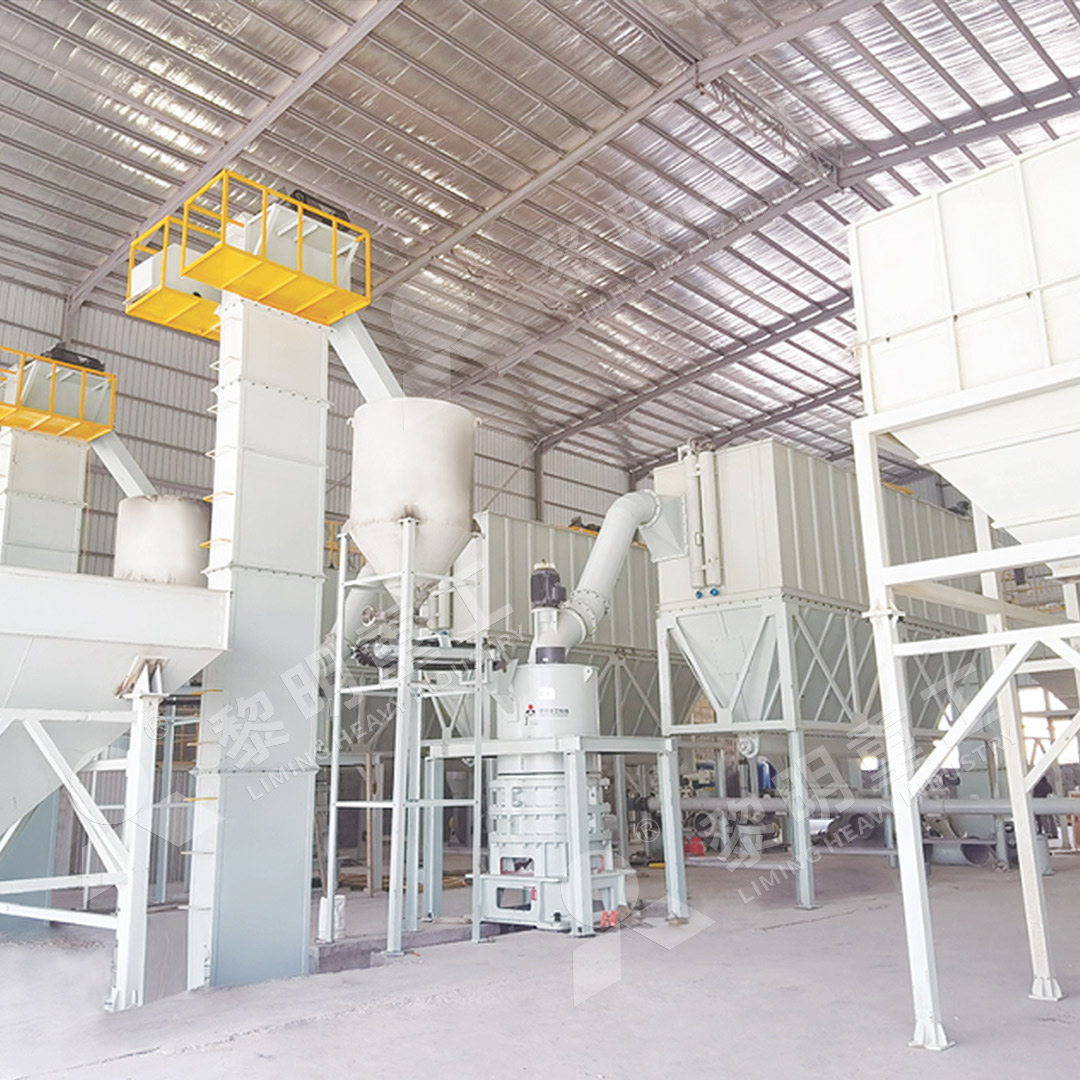
For producers seeking to create high-value, ultra-fine dolomite powder, the MW Ultrafine Grinding Mill from our portfolio is an exceptional choice. This machine is specifically engineered for customers who need to make ultra-fine powder with superior efficiency.
Key advantages for dolomite processing include:
- Higher Yielding, Lower Energy Consumption: Its newly designed grinding curves enhance efficiency, offering production capacity 40% higher than jet mills while reducing system energy consumption by 30%.
- Adjustable Fineness (325-2500 meshes): The German-technology cage-type powder selector allows precise control over fineness, achieving a screening rate of d97≤5μm in a single pass—perfect for high-purity dolomite requirements.
- Eco-Friendly Operation: An efficient pulse dust collector and muffler ensure the entire milling system operates with no dust pollution and reduced noise, meeting strict environmental standards.
- Worry-Free Maintenance: With no rolling bearings or screws in the grinding chamber, users avoid common failure points. External lubrication allows for 24/7 continuous production.
With an input size of 0-20 mm and a capacity range of 0.5-25 tph, the MW Mill is perfectly suited for producing the consistent, fine-grade dolomite powder that modern industries demand.
Conclusion
From strengthening our buildings to nurturing our crops and protecting our environment, dolomite powder is a workhorse of modern industry. Leveraging advanced grinding technology, like our MW Ultrafine Grinding Mill, is the key to unlocking its full potential, ensuring high-quality output with operational efficiency and environmental responsibility.