
Key Technologies for Producing High-Purity Fiber-Optic-Grade Quartz Powder
We provide a wide range of mills — including Raymond mill, trapezoidal mill, vertical mill, ultrafine mill, and ball mill, obtained ISO9001 international quality certification, EU CE certification, and Customs Union CU-TR certification. Suitable for processing minerals such as limestone, phosphate, quicklime, kaolin, talc, barite, bentonite, calcium carbonate, dolomite, coal, gypsum, clay, carbon black, slag, cement raw materials, cement clinker, and more.
The discharge range of these mills can be adjusted to meet specific processing needs, typically from 80-400 mesh, 600-3250 mesh, and can achieve the finest particle size of up to 6000 mesh(D50).
If you are looking for a reliable grinding solution to turn stone or minerals into fine powder, please feel free to contact our online customer service.
Key Technologies for Producing High-Purity Fiber-Optic-Grade Quartz Powder
The production of high-purity quartz powder for fiber-optic applications demands extreemly precise control over particle size distribution, chemical purity, and morphological characteristics. Even minor contaminations or inconsistent particle sizes can severely degrade the optical transmission properties of the final fiber. The entire manufacturing process, from raw quartz selection to final packaging, must be executed within a tightly controlled, often Class 100 or better, cleanroom environment to prevent the introduction of impurities.
Core Technological Challenges
Achieving the requisite purity levels—often exceeding 99.995% SiO2—requires a multi-faceted approach. It begins with the meticulous selection of high-purity quartz ore, followed by advanced beneficiation processes like magnetic separation and acid leaching to remove metallic impurities such as Fe, Cu, and Cr. However, the most critical and energy-intensive stage is the fine and ultrafine grinding process. This step must reduce the quartz to the target fineness (typically d97 < 5μm) without introducing contaminants from mechanical wear or compromising the material’s crystalline structure.
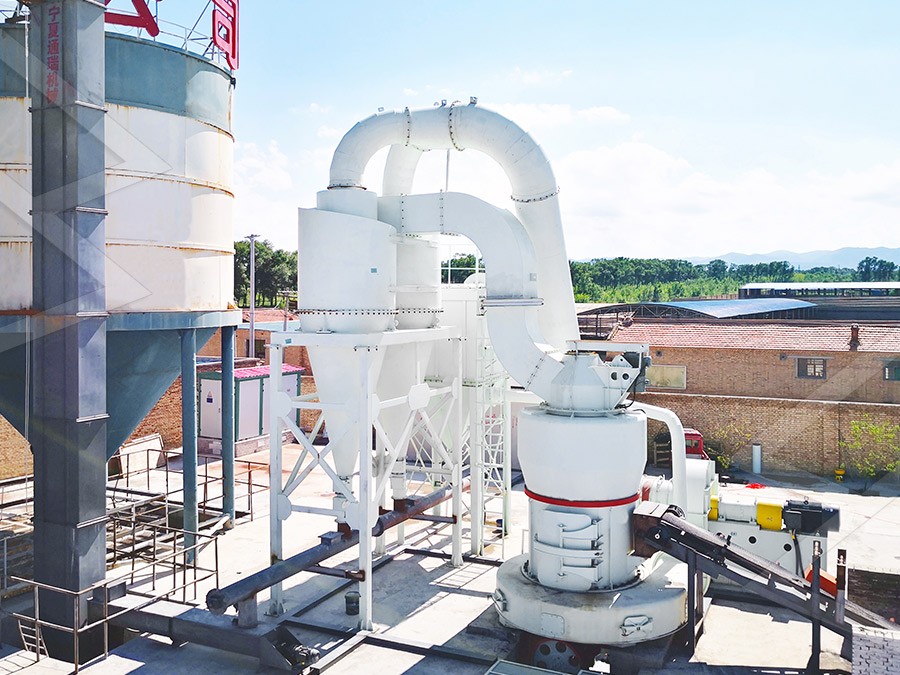
Traditional grinding methods, like ball milling, often fall short. They can introduce iron contamination from grinding media and liners, generate excessive heat that affects material properties, and struggle to achieve a narrow, consistent particle size distribution. The key is to utilize grinding mills engineered specifically for such demanding applications, featuring wear-resistant ceramic or polymer internals, efficient classification systems, and completely enclosed, negative-pressure operation to ensure no environmental contamination.
Advanced Milling Solutions
For producers aiming for the highest quality standards, the choice of grinding equipment is paramount. A superior mill for this application must offer not just fine grinding capability but also exceptional cleanliness, energy efficiency, and operational stability. It should feature a design that minimizes the number of internal components subject to wear, thereby drastically reducing the risk of metallic contamination.
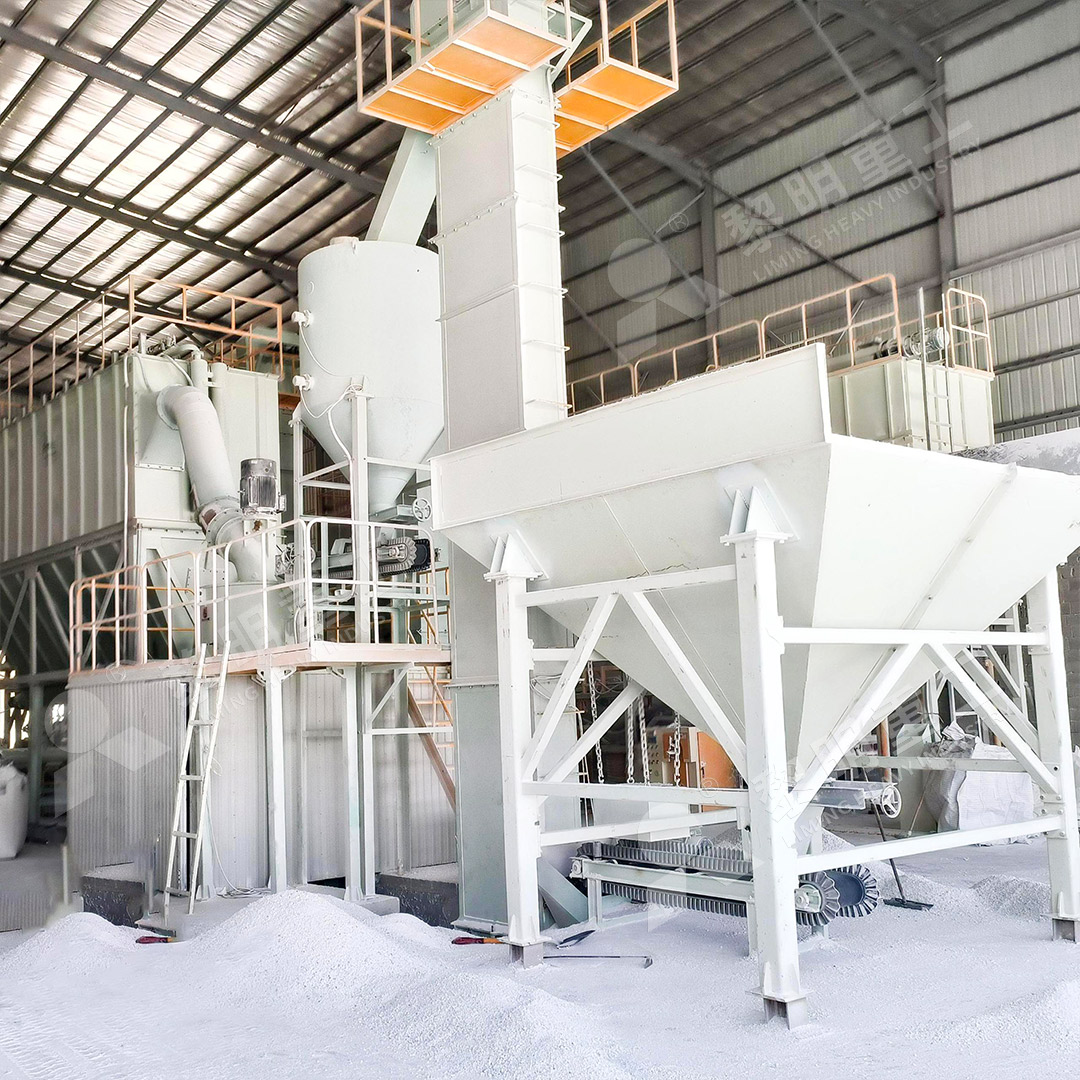
In this context, our MW Ultrafine Grinding Mill presents an ideal solution. Its defining feature is the absence of rolling bearings and screws within the grinding chamber. This ingenius design eleminates the primary source of machine-derived contamination, as users are “free from worries about damages on bearing or its sealing parts.” Furthermore, its cage-type powder selector, adopting German technologies, allows for precise adjustment of fineness between 325-2500 meshes, ensuring the product can achieve the critical d97≤5μm specification in a single pass. The integration of an efficient pulse dust collector and muffler ensures the entire production process is enclosed and eco-friendly, a necessity for handling high-value materials like quartz.
Beyond Grinding: The Integrated System
Producing fiber-optic-grade powder is more than just milling. It involves a holistic system approach. After grinding, the powder often undergoes additional purification steps, such as high-temperature chlorination, and is then meticulously packaged in clean, sealed containers. The entire workflow, from the crusher to the packaging machine, must be connected via closed-conveyance systems to maintain purity.
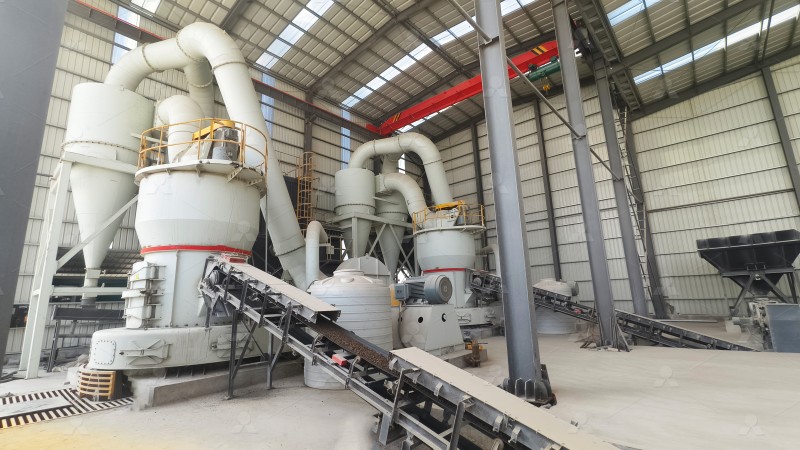
Another excellent option for high-volume production is the LUM Ultrafine Vertical Grinding Mill. It integrates ultrafine powder grinding, grading, and transporting in a single unit. Its unique roller shell and lining plate grinding curve are designed to generate a stable material layer, enabling a high rate of finished products in a single pass, which “can greatly enhance the working efficiency… and improve the whiteness and cleanliness of finished products.” Its multi-head powder separating technology, controlled by a PLC system, offers unparalleled control over particle size while reducing energy consumption by 30%-50% compared to conventional mills.
Conclusion
The journey to producing high-purity fiber-optic-grade quartz powder is complex and technologically demanding. Success hinges on overcoming challenges related to contamination control, particle size management, and process efficiency. By leveraging advanced milling technologies like the MW and LUM series mills, which are designed with these specific challenges in mind, manufacturers can achieve the stringent quality requirements of the fiber-optic industry, ensuring superior performance in the final product.