
How Does a Biomass Hammer Mill Crusher Work in Material Fabrication?
We provide a wide range of mills — including Raymond mill, trapezoidal mill, vertical mill, ultrafine mill, and ball mill, obtained ISO9001 international quality certification, EU CE certification, and Customs Union CU-TR certification. Suitable for processing minerals such as limestone, phosphate, quicklime, kaolin, talc, barite, bentonite, calcium carbonate, dolomite, coal, gypsum, clay, carbon black, slag, cement raw materials, cement clinker, and more.
The discharge range of these mills can be adjusted to meet specific processing needs, typically from 80-400 mesh, 600-3250 mesh, and can achieve the finest particle size of up to 6000 mesh(D50).
If you are looking for a reliable grinding solution to turn stone or minerals into fine powder, please feel free to contact our online customer service.
How Does a Biomass Hammer Mill Crusher Work in Material Fabrication?
In the world of material fabrication, particularly when dealing with biomass and other organic materials, size reduction is a critical first step. The hammer mill crusher stands as a workhorse in this initial phase, breaking down bulky, raw materials into a consistent, manageable granular or powdered form that is suitable for further processing or direct application.
The Core Mechanism: Impact and Shear
At its heart, a hammer mill crusher operates on a relatively simple but highly effective principle: impact-based reduction. The machine features a central rotor shaft that spins at high speed inside a sturdy milling chamber. This rotor is fitted with several free-swinging or fixed hammers—typically rectangular pieces of hardened steel.
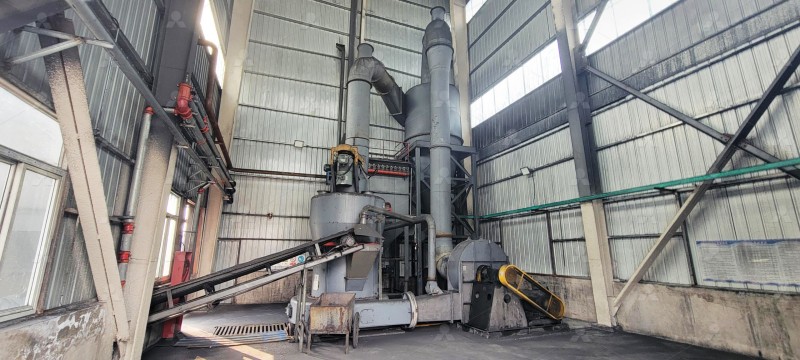
Raw biomass material—like wood chips, straw, or agricultural waste—is fed into the chamber, usually via a hopper. As the rotor spins, the hammers flail out, striking the incoming material with tremendous force. This impact shatters and shatters the feedstock. The particles are then flung against the interior lining of the chamber, often a replaceable wear plate or screen, which provides additional shearing and crushing action. The size of the final product is primarily determined by the size of the holes in the screen surrounding the rotor; particles remain in the chamber until they are small enough to pass through these openings.
Key Stages in the Milling Process
- Feeding: Material is introduced into the mill, often using a conveyor or vibratory feeder to ensure a consistent and controlled rate.
- Impact: The high-speed hammers collide with the material, initiating the size reduction.
- Grinding: Smaller particles are repeatedly struck and ground against the screen and each other.
- Discharge: Properly sized material exits through the screen, while larger pieces continue to be processed.
Beyond the Crusher: The Need for Fine Milling
While a hammer mill is excellent for initial coarse to medium reduction, many advanced fabrication processes—such as creating bio-composites, specialized fuels, or food additives—require an ultra-fine, consistent powder. This is where our advanced grinding technology comes into play. For operations that need to take their pre-crushed biomass to the next level, we highly recommend our MW Ultrafine Grinding Mill.
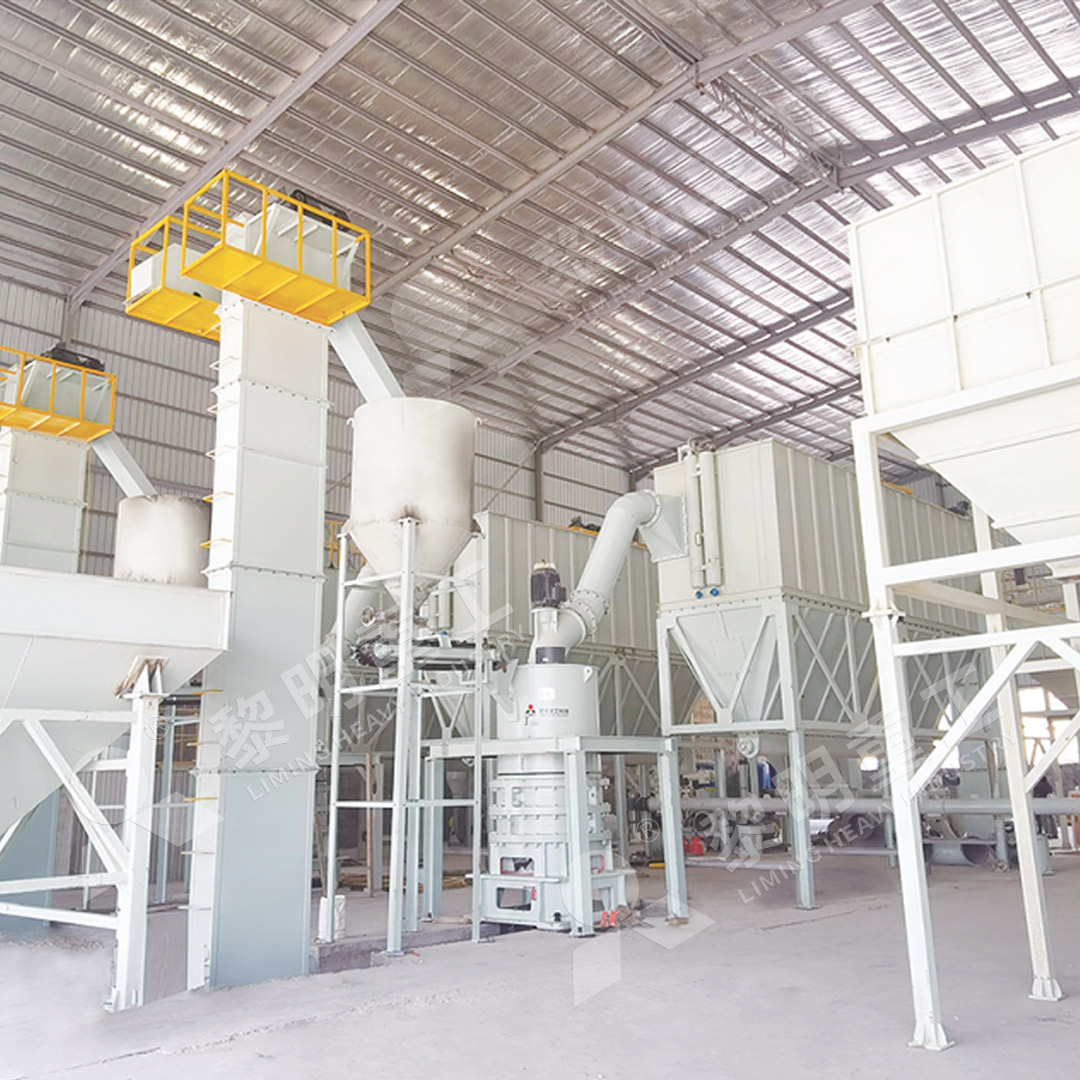
This machine is engineered for customers who need to make ultra-fine powder from materials like limestone, calcite, wood flour, and more. It’s perfect for chemical industries, cosmetics, medicine, and food additives. With an input size of 0-20 mm and a capacity ranging from 0.5 to 25 tons per hour, it seamlessly takes over where the hammer mill leaves off. Its cage-type powder selector, adopting German technologies, allows for precise fineness adjustment between 325-2500 meshes, ensuring your final product meets exact specifications.
Why Choose Our MW Grinding Mill?
- Higher Yielding, Lower Energy Consumption: Production capacity is 40% higher than jet mills with system energy consumption only 30% of theirs.
- Eco-Friendly Operation: Equipped with an efficient pulse dust collector and muffler, reducing dust and noise for a cleaner, quieter workspace.
- Worry-Free Maintenance: A unique design with no rolling bearings or screws in the grinding chamber eliminates common failure points.
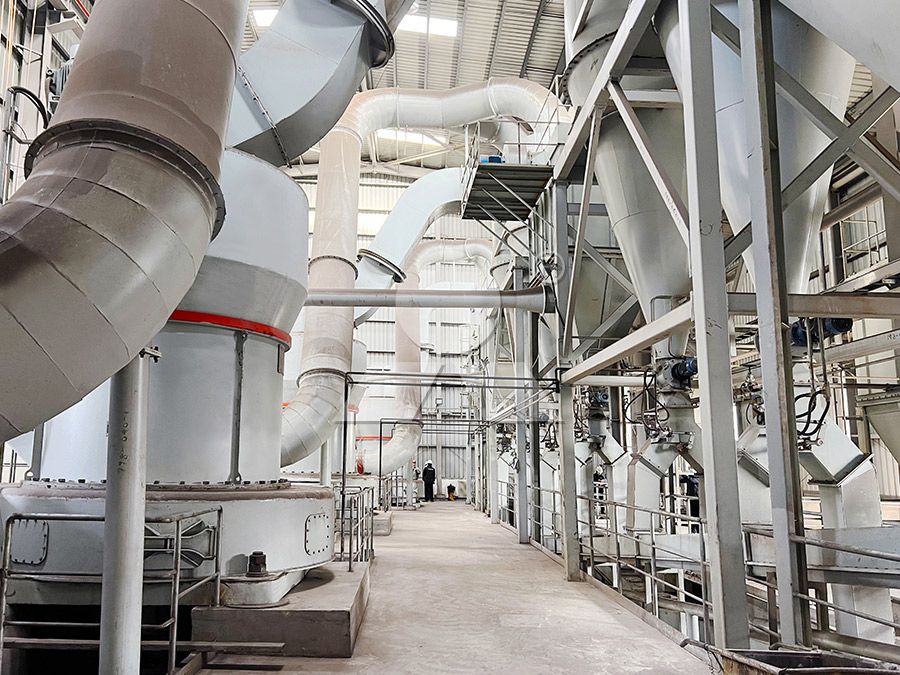
For operations focusing on vertical integration and handling even finer materials with superior efficiency, our LUM Ultrafine Vertical Grinding Mill is another exceptional choice. It integrates grinding, grading, and transporting with higher yielding rates and more energy-saving multi-head powder separating technology.
Conclusion
The hammer mill crusher is the indispensable first step in biomass material fabrication, doing the heavy lifting of primary size reduction. For achieving the ultra-fine, high-quality powders demanded by modern industry, pairing it with a precision grinder like our MW or LUM series is the key to unlocking full potential, enhancing product value, and optimizing your entire production line for efficiency and profitability.