
Optimizing Crushing, Milling, and Flotation Process for Maximum Mineral Recovery
We provide a wide range of mills — including Raymond mill, trapezoidal mill, vertical mill, ultrafine mill, and ball mill, obtained ISO9001 international quality certification, EU CE certification, and Customs Union CU-TR certification. Suitable for processing minerals such as limestone, phosphate, quicklime, kaolin, talc, barite, bentonite, calcium carbonate, dolomite, coal, gypsum, clay, carbon black, slag, cement raw materials, cement clinker, and more.
The discharge range of these mills can be adjusted to meet specific processing needs, typically from 80-400 mesh, 600-3250 mesh, and can achieve the finest particle size of up to 6000 mesh(D50).
If you are looking for a reliable grinding solution to turn stone or minerals into fine powder, please feel free to contact our online customer service.
Optimizing Crushing, Milling, and Flotation Process for Maximum Mineral Recovery
In the mineral processing industry, achieving maximum recovery rates while minimizing energy consumption and operational costs is a constant challenge. The crushing, milling, and flotation processes are critical stages that determine the overall efficiency of mineral extraction. This article explores advanced strategies and equipment to optimize these processes, with a focus on cutting-edge grinding solutions.
The Importance of Efficient Grinding
Grinding is often the most energy-intensive stage in mineral processing, accounting for up to 50% of a plant’s total energy consumption. Selecting the right grinding equipment can significantly impact both operational costs and recovery rates. Modern grinding mills offer superior efficiency through innovative designs that maximize particle size reduction while minimizing energy waste.
Advanced Grinding Solutions
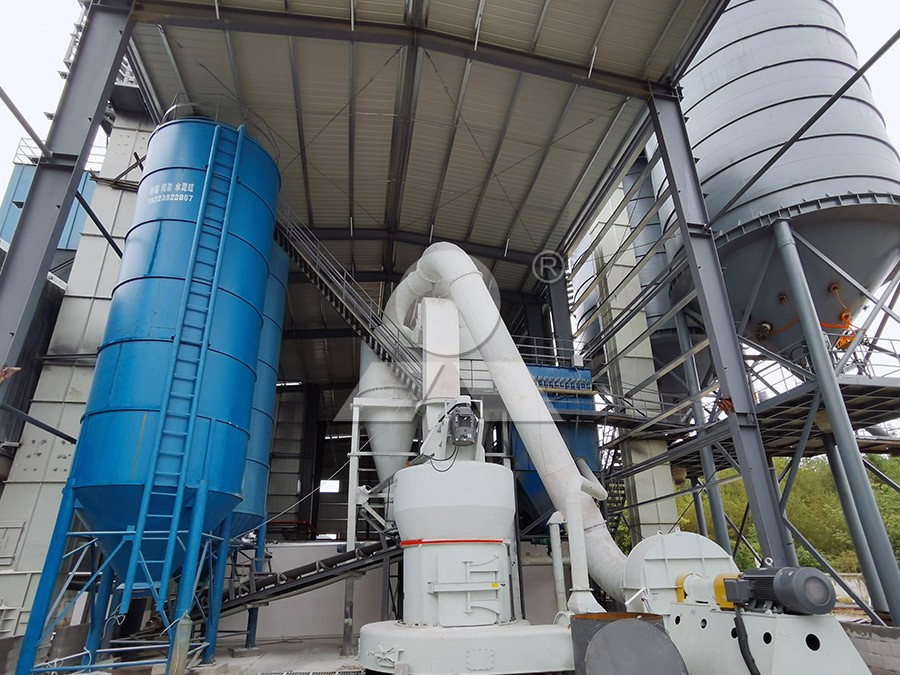
Among the most efficient grinding solutions available today is the MW Ultrafine Grinding Mill. This innovative equipment is designed for customers who need to produce ultra-fine powder with exceptional efficiency. With an input size range of 0-20 mm and capacity of 0.5-25 tph, the MW mill handles various materials including limestone, calcite, dolomite, petroleum coal, gypsum, and barite.
The MW Ultrafine Grinding Mill stands out with several key features:
- 40% higher production capacity compared to jet grinding mills
- Energy consumption only 30% of conventional jet mills
- Adjustable fineness between 325-2500 meshes
- Dust-free operation with efficient pulse dust collector
- No rolling bearings or screws in the grinding chamber for reduced maintenance
Integrated Process Optimization
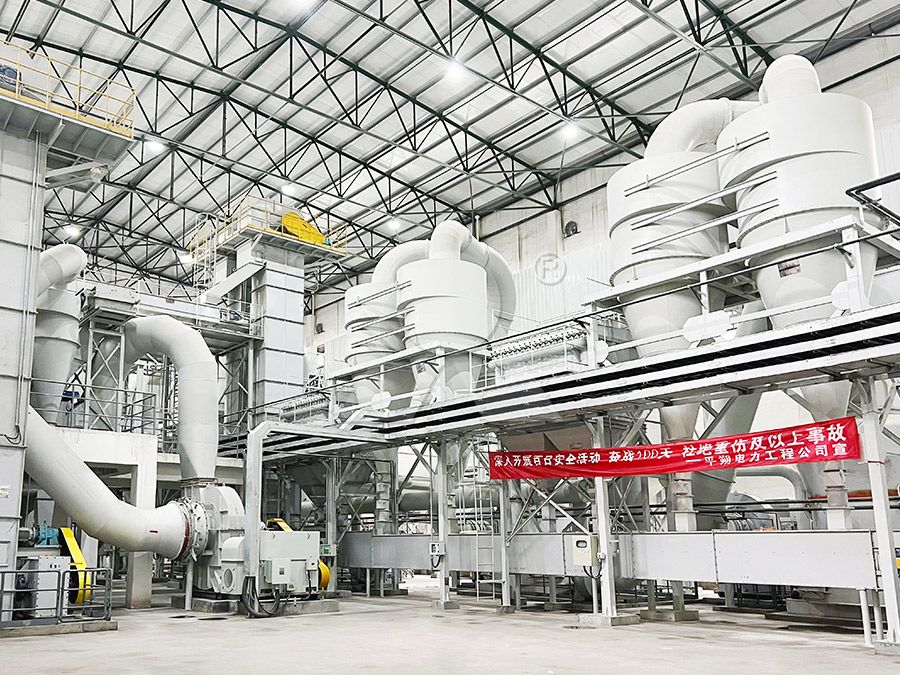
To achieve maximum mineral recovery, grinding must be properly integrated with both upstream crushing and downstream flotation processes. The particle size distribution from grinding directly affects flotation performance, making mill selection and operation crucial for overall plant efficiency.
Case Study: Improved Recovery with Advanced Milling
A recent installation of the MW Ultrafine Grinding Mill at a talc processing plant demonstrated significant improvements:
- 28% increase in mineral recovery rates
- 35% reduction in energy consumption
- 50% decrease in maintenance downtime
- Consistent product quality with d97≤5μm particle size
The mill’s unique cage-type powder selector, based on German technology, proved particularly effective in achieving precise particle separation critical for downstream flotation.
Future Trends in Mineral Processing
As mineral deposits become more complex and energy costs continue to rise, the industry is moving toward:
- Fully automated grinding circuits with real-time optimization
- Integration of AI for predictive maintenance
- Advanced sensor technology for particle size monitoring
- Hybrid systems combining different grinding technologies
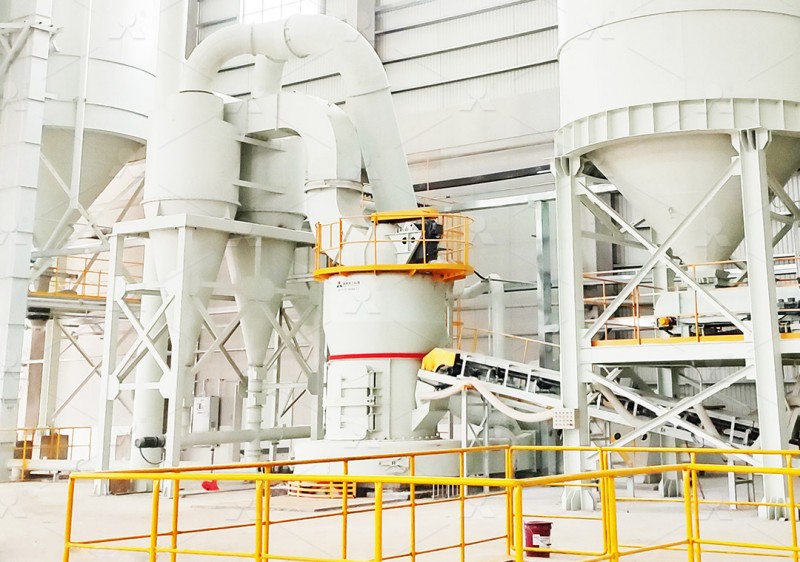
For operations looking to upgrade their grinding circuit, the LUM Ultrafine Vertical Grinding Mill presents another excellent option. With input size of 0-10 mm and capacity of 5-18 tph, this mill features Taiwan grinding roller technology and German powder separating technology for superior performance in ultrafine powder production.
Conclusion
Optimizing the crushing, milling, and flotation processes requires a holistic approach that considers equipment selection, process integration, and advanced control strategies. Modern grinding solutions like the MW Ultrafine Grinding Mill and LUM Vertical Grinding Mill offer significant advantages in energy efficiency, product quality, and operational reliability. By adopting these technologies and implementing best practices in process control, mineral processors can achieve substantial improvements in recovery rates while reducing operating costs.