
How to Use a Mill for Grinding Stone: A Complete Guide
We provide a wide range of mills — including Raymond mill, trapezoidal mill, vertical mill, ultrafine mill, and ball mill, obtained ISO9001 international quality certification, EU CE certification, and Customs Union CU-TR certification. Suitable for processing minerals such as limestone, phosphate, quicklime, kaolin, talc, barite, bentonite, calcium carbonate, dolomite, coal, gypsum, clay, carbon black, slag, cement raw materials, cement clinker, and more.
The discharge range of these mills can be adjusted to meet specific processing needs, typically from 80-400 mesh, 600-3250 mesh, and can achieve the finest particle size of up to 6000 mesh(D50).
If you are looking for a reliable grinding solution to turn stone or minerals into fine powder, please feel free to contact our online customer service.
How to Use a Mill for Grinding Stone: A Complete Guide
Grinding stone into fine powder is a fundamental process in countless industries, from construction and mining to ceramics and chemicals. Choosing the right mill and operating it correctly is crucial for efficiency, product quality, and operational costs. This guide will walk you through the key steps and considerations for using a mill to grind stone effectively.
1. Understanding Your Material and Desired Output
Before you even start the mill, you must understand the raw material. What type of stone are you grinding? Limestone, calcite, granite, or something else? Its hardness, moisture content, and initial size will dictate the best milling approach. Equaly important is defining your desired final product. What fineness (mesh size) do you need? What is your required hourly capacity? Answering these questions is the first step to selecting the proper equipment.
2. Selecting the Right Grinding Mill
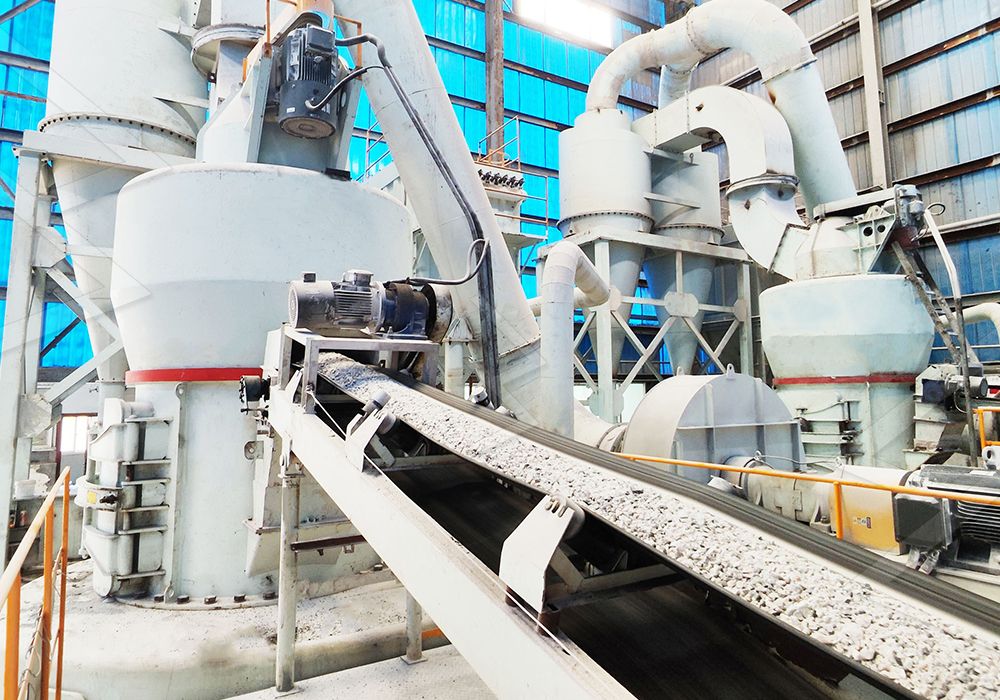
Not all mills are created equal. For coarse to medium grinding, options like Ball Mills or Raymond Mills are common. However, for producing ultra-fine powders with high efficiency and lower energy consumption, an ultrafine grinding mill is the superior choice.
For operations demanding ultra-fine powder between 325-2500 meshes, we highly recommend our MW Ultrafine Grinding Mill. It’s specifically engineered for customers who need to make ultra-fine powder from materials like limestone, calcite, dolomite, and talc. A key advantage is its higher yielding and lower energy consumption – it uses 40% less energy than jet mills and offers twice the yield of a ball mill. Its cage-type powder selector, based on German technology, ensures precise separation and adjustable fineness. Furthermore, its design eliminates rolling bearings and screws in the grinding chamber, virtually eliminating worries about related mechanical failures and allowing for external lubrication without shutdown.
3. The Grinding Process: A Step-by-Step Overview
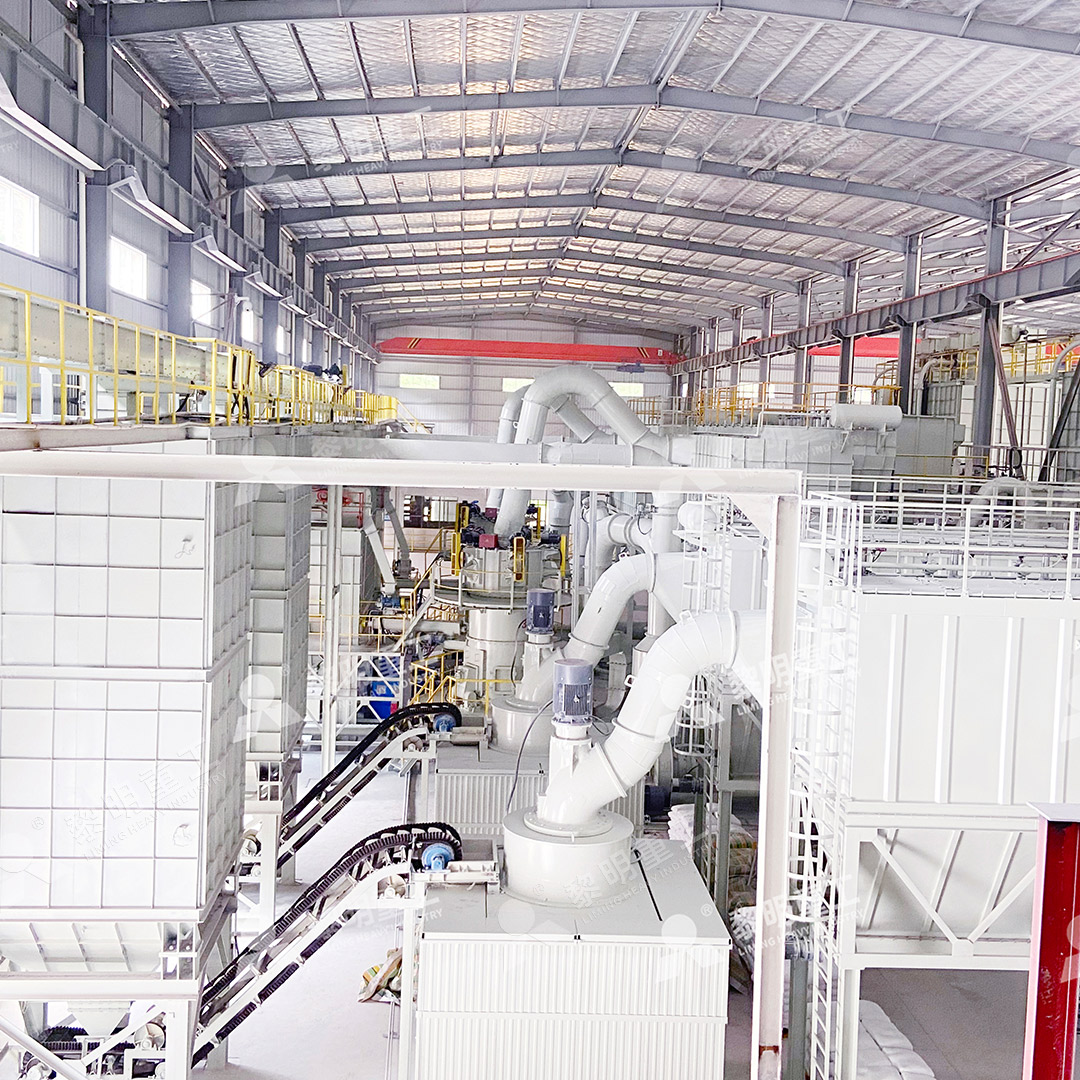
While each mill has its unique working principle, the general process for a vertical roller mill (like our MW or LUM models) follows these steps:
- Crushing: Large stones are first crushed by a jaw crusher to a smaller, manageable size (typically below 20mm).
- Feeding: The crushed material is elevated into a hopper and then fed evenly into the grinding chamber by a vibrating feeder.
- Grinding: The material is ground between the rotating grinding rollers and the stationary grinding ring (or raceway). Centrifugal force holds the material in place for consistent milling.
- Classification: The ground powder is carried upwards by an air stream into a built-in classifier. Coarse particles are rejected and fall back for regrinding, while fine particles pass through.
- Collection: The fine powder is separated from the air stream in a cyclone collector or a baghouse dust collector and discharged as the final product.
4. Key Operational Tips for Optimal Performance
- Monitor Feed Rate: A consistent and appropriate feed rate is vital. Overfeeding can choke the mill, while underfeeding leads to roller-on-ring contact and excessive wear.
- Control Airflow: The airflow is critical for material transport and classification. Ensure the fan and system are well-sealed to maintain efficiency.
- Check Wear Parts: Regularly inspect the grinding rollers and ring for wear. Timely replacement maintains product fineness and mill capacity.
- Mind the Moisture: High moisture content can cause clogging. Some mills have drying capabilities, but it’s best to pre-dry very wet material if possible.
For larger scale projects requiring integrated crushing, drying, grinding, and conveying in a single unit, our LM Vertical Grinding Mill is an exceptional solution. It specializes in processing non-metallic minerals and can handle input sizes up to 70mm with capacities ranging from 3 to 340 tons per hour. Its compact design reduces the floor area by 50% compared to ball mill systems and saves 30-40% in energy consumption.
5. Maintenance and Safety
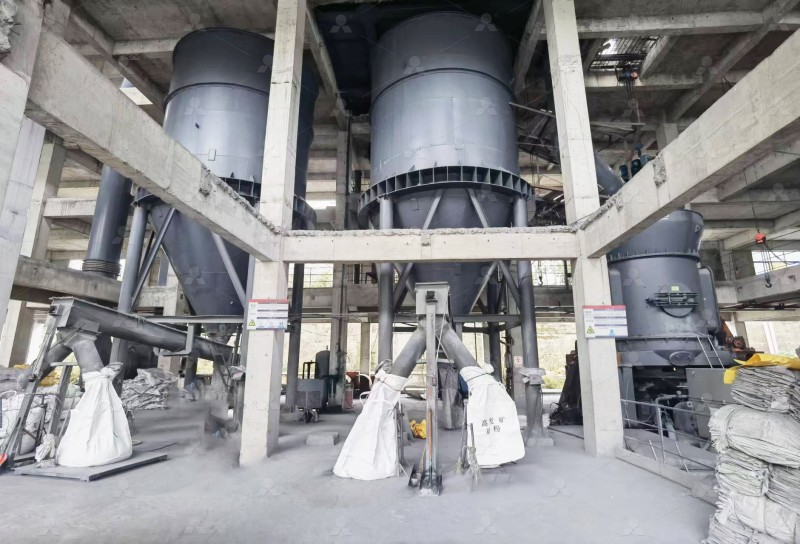
Always follow the manufacturer’s maintenance schedule. Lubricate bearings, check hydraulic systems, and inspect electrical components. Remember to always lock out and tag out the power before performing any maintenance inside the mill. Utilize the built-in safety features, such as limiting devices that prevent grinding rollers from directly contacting the millstone, to ensure stable and safe operation.
Conclusion
Using a mill for grinding stone effectively requires careful selection of equipment based on your material and product goals, followed by diligent operation and maintenance. By investing in advanced technology like our MW Ultrafine Grinding Mill for fine powder production or the LM Vertical Grinding Mill for large-scale integrated processing, you can achieve higher yields, significantly lower energy costs, and a more environmentally friendly operation with minimal dust and noise pollution.