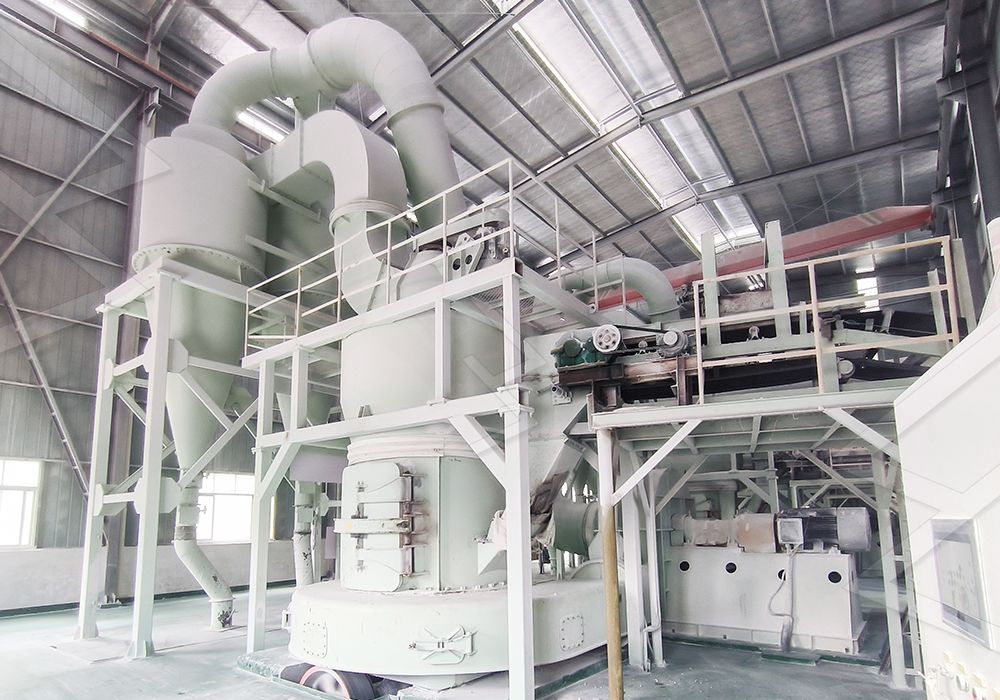
Effect of Water Spray on Vertical Mill Performance and Temperature Control
We provide a wide range of mills — including Raymond mill, trapezoidal mill, vertical mill, ultrafine mill, and ball mill, obtained ISO9001 international quality certification, EU CE certification, and Customs Union CU-TR certification. Suitable for processing minerals such as limestone, phosphate, quicklime, kaolin, talc, barite, bentonite, calcium carbonate, dolomite, coal, gypsum, clay, carbon black, slag, cement raw materials, cement clinker, and more.
The discharge range of these mills can be adjusted to meet specific processing needs, typically from 80-400 mesh, 600-3250 mesh, and can achieve the finest particle size of up to 6000 mesh(D50).
If you are looking for a reliable grinding solution to turn stone or minerals into fine powder, please feel free to contact our online customer service.
Effect of Water Spray on Vertical Mill Performance and Temperature Control
In the mineral processing and grinding industry, temperature control within the mill is a critical factor influencing operational efficiency, product quality, and equipment longevity. Excessive heat generated during the comminution process can lead to a myriad of issues, including premature wear of components, thermal expansion causing misalignments, gypsum dehydration in cement milling, and even the ignition of fine, combustible materials. One widely adopted and effective method for mitigating these thermal challenges is the strategic implementation of water spray systems.
The Role of Water Spray Systems
Water spray systems are ingeniously simple yet profoundly effective. By injecting a fine mist of water into the grinding chamber or mill outlet, operators leverage the principle of evaporative cooling. As the water droplets absorb the intense heat and transition from liquid to vapor, they efficiently lower the temperature of the entire mill system. This controlled cooling directly addresses several operational hurdles:
- Stabilized Grinding Bed: Excessive heat can dry out the material bed on the grinding table, making it unstable and prone to vibrations. Proper cooling ensures optimal material consistency.
- Enhanced Classifier Efficiency: High temperatures can cause air density changes and electrostatic effects, leading to poor particle separation. Cooling maintains stable air conditions for the classifier to operate at peak efficiency.
- Prevention of Material Coating:
- Reduced Thermal Stress: By maintaining a lower and more consistent operating temperature, the mechanical stress on critical components like the grinding rollers, table liners, and main shaft is significantly reduced, extending their service life.
Optimizing Spray for Maximum Benefit
However, the application of water is not without its caveats. The key lies in precision. Over-spraying can be detrimental, leading to material over-hydration, which causes clogging, paste formation, and a subsequent drop in mill throughput. It can also saturate the internal atmosphere, hindering the air flow necessary for material transport and classification. Therefore, modern systems are automated, using temperature sensors at the mill outlet to modulate water flow rates dynamically, ensuring just the right amount of cooling is applied.
Leveraging Advanced Mill Design
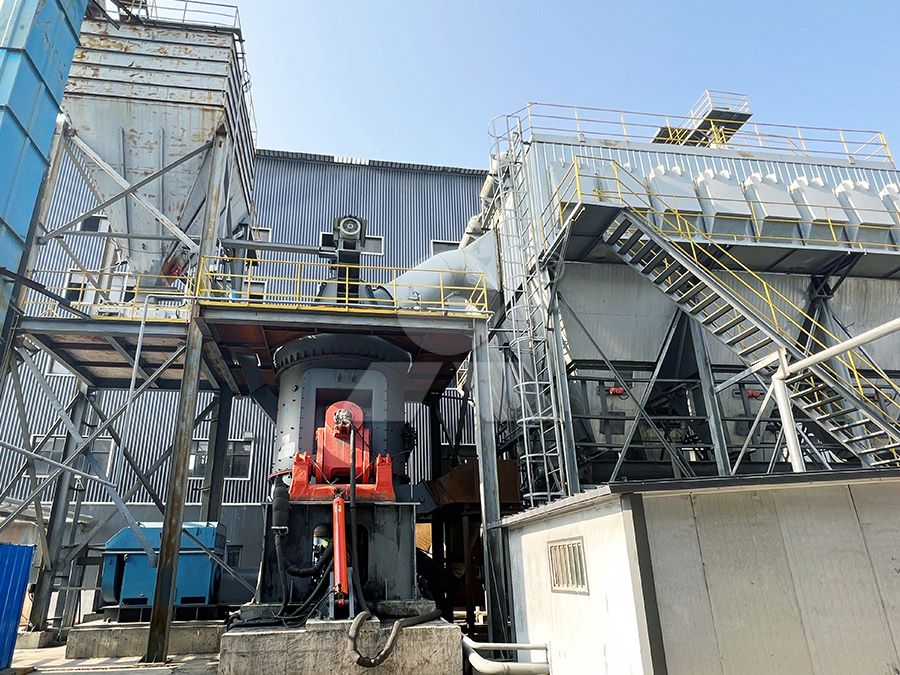
While water spray is an excellent auxiliary tool, the most effective temperature control starts with the mill’s inherent design. Mills engineered for higher efficiency naturally generate less waste heat. For operations requiring superior fineness and demanding temperature control, we highly recommend our MW Ultrafine Grinding Mill.
This machine is a pinnacle of efficiency, designed to produce ultra-fine powder between 325-2500 meshes. Its higher yielding and lower energy consumption (up to 40% higher capacity than jet mills) means less energy is converted into excess heat from the start. Furthermore, its innovative design, featuring no rolling bearings or screws in the grinding chamber, eliminates critical heat points and potential failure sources. The external lubrication system allows for continuous 24/7 operation without shutdowns for maintenance, making it an ideal, thermally stable platform that works synergistically with auxiliary cooling systems.
A Robust Alternative for Larger Capacities
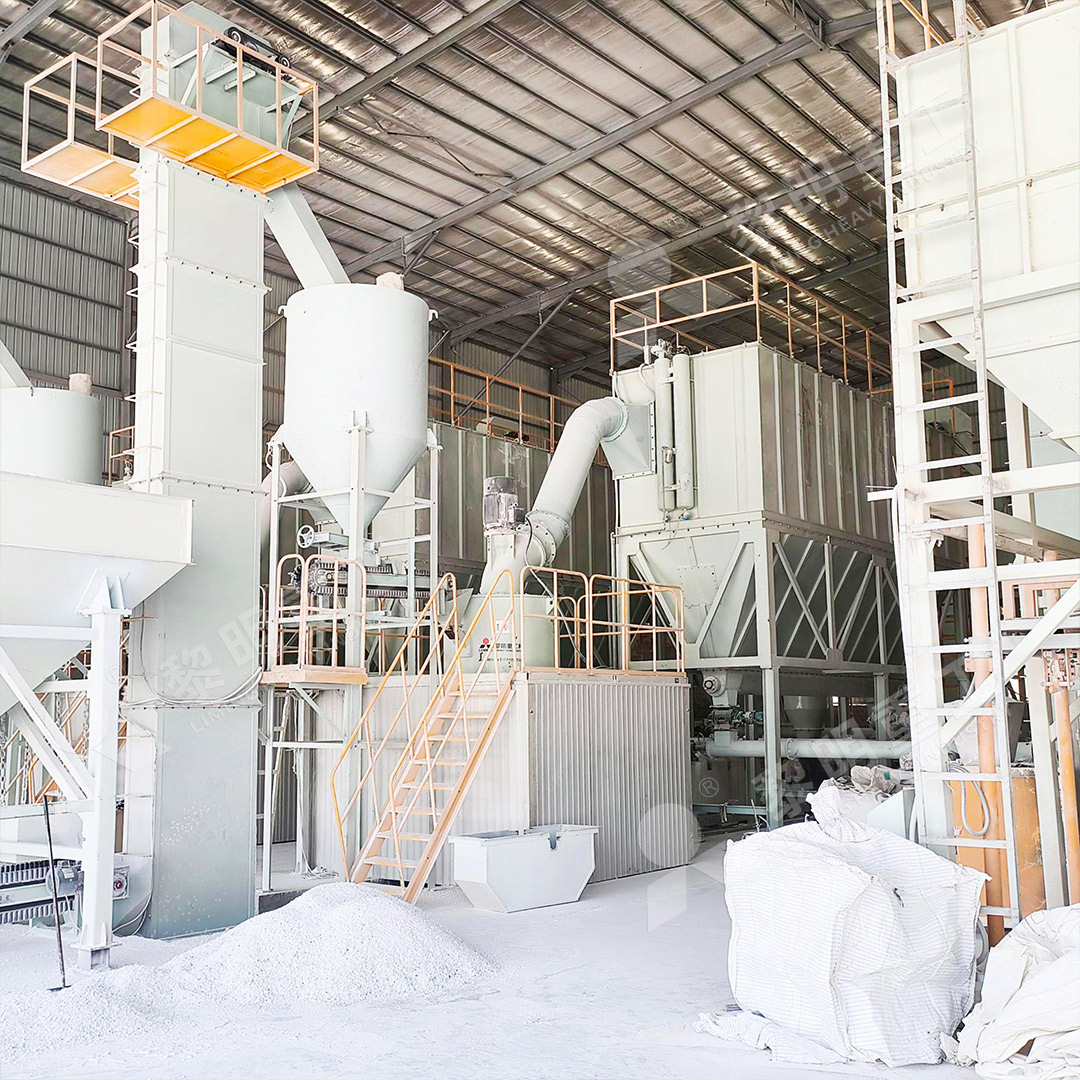
For larger-scale operations processing materials like slag or coal, where internal mill gases can reach very high temperatures, the LM Vertical Coal Mill is another exceptional choice from our portfolio. Its system is specifically designed to integrate drying and grinding, handling hot air inputs efficiently. The robust design includes limit devices to prevent roller-to-table contact, mitigating impact-related issues, and its high grinding efficiency translates to lower specific energy consumption and less heat generation per ton of product.
Conclusion
In summary, water spray systems are a vital and effective technology for managing operational temperatures in vertical mills. When precisely controlled, they enhance stability, protect equipment, and improve product quality. The most successful operations pair this auxiliary cooling with inherently efficient milling technology. Our MW Ultrafine Grinding Mill and LM Vertical Coal Mill are engineered to provide this foundational efficiency, reducing the thermal load from the outset and ensuring reliable, high-quality production even in the most demanding applications.