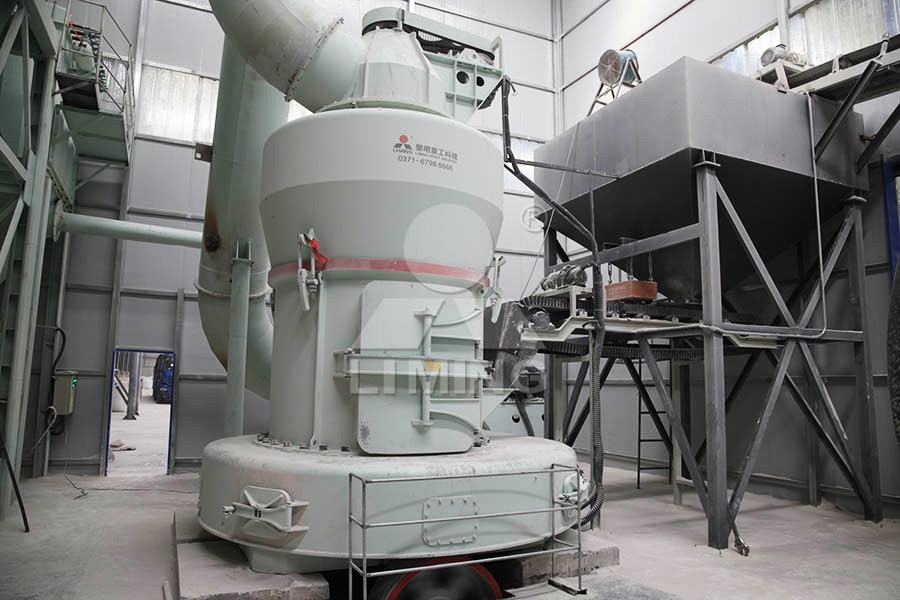
Hammer Mill Machine: Key Features and Benefits for Industrial Grinding
We provide a wide range of mills — including Raymond mill, trapezoidal mill, vertical mill, ultrafine mill, and ball mill, obtained ISO9001 international quality certification, EU CE certification, and Customs Union CU-TR certification. Suitable for processing minerals such as limestone, phosphate, quicklime, kaolin, talc, barite, bentonite, calcium carbonate, dolomite, coal, gypsum, clay, carbon black, slag, cement raw materials, cement clinker, and more.
The discharge range of these mills can be adjusted to meet specific processing needs, typically from 80-400 mesh, 600-3250 mesh, and can achieve the finest particle size of up to 6000 mesh(D50).
If you are looking for a reliable grinding solution to turn stone or minerals into fine powder, please feel free to contact our online customer service.
Hammer Mill Machine: Key Features and Benefits for Industrial Grinding
In the demanding world of industrial processing, efficiency, reliability, and final product quality are paramount. Hammer mills stand as a cornerstone technology for size reduction across a multitude of sectors, from mining and construction to chemicals and food production. These robust machines are designed to crush, grind, and pulverize a vast array of materials into consistent, fine powders or granules, making them indispensable for modern manufacturing.
Core Advantages of Modern Hammer Mill Technology
The evolution of hammer mill design has focused on adressing key industrial pain points: energy consumption, maintenance downtime, and environmental impact. Today’s advanced mills are engineered for higher yielding rates with significantly lower energy consumption compared to traditional grinding systems like ball mills. By employing innovative grinding curves and efficient motor systems, they can achieve production capacities that are often 40% higher while using a fraction of the power.
Another critical advancement is in adjustable fineness
Enhancing Operational Reliability and Sustainability
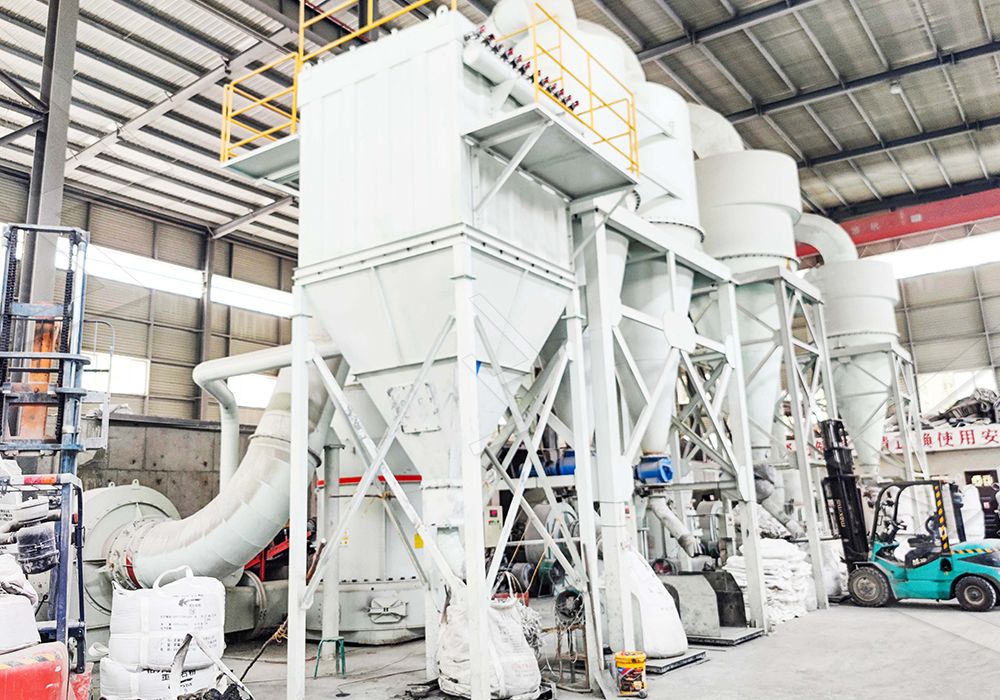
Downtime is the enemy of productivity. Recognizing this, leading manufacturers have re-engineered grinding chambers to eliminate common failure points. The removal of rolling bearings and screws from the grinding zone is a significant innovation, virtually eliminating concerns about bearing seizure or damage from loose fasteners. Furthermore, external lubrication systems enable maintenance without shutdowns, supporting continuous 24/7 production cycles.
Environmental responsibility is no longer an option but a necessity. State-of-the-art hammer mills integrate efficient pulse dust collectors and advanced muffling systems. This ensures the entire milling process operates with minimal dust pollution and noise, often meeting or exceeding stringent national environmental protection standards. The result is a cleaner, safer, and more sustainable operation.
Choosing the Right Mill for Your Application
While the classic hammer mill is versatile, specific applications demand specialized solutions. For operations requiring ultra-fine powders, an Ultrafine Grinding Mill is the superior choice. We are particularly proud of our MW Ultrafine Grinding Mill, a standout in our product line.
This machine is expertly designed for customers who need to make ultra-fine powder. It handles an input size of 0-20 mm with a impressive capacity range of 0.5-25 tons per hour. Its cage-type powder selector, which adopts German technologies, ensures exceptional precision in powder separation, allowing the fineness to be perfectly adjusted between 325-2500 meshes. A key feature is its groundbreaking chamber design—there are no rolling bearings or screws inside, freeing users from chronic maintenance issues and preventing machine damage from loose components. Coupled with its external lubrication system and efficient pulse dust collector, the MW Ultrafine Grinding Mill represents a leap forward in reliable, eco-friendly, and high-yield fine powder production.
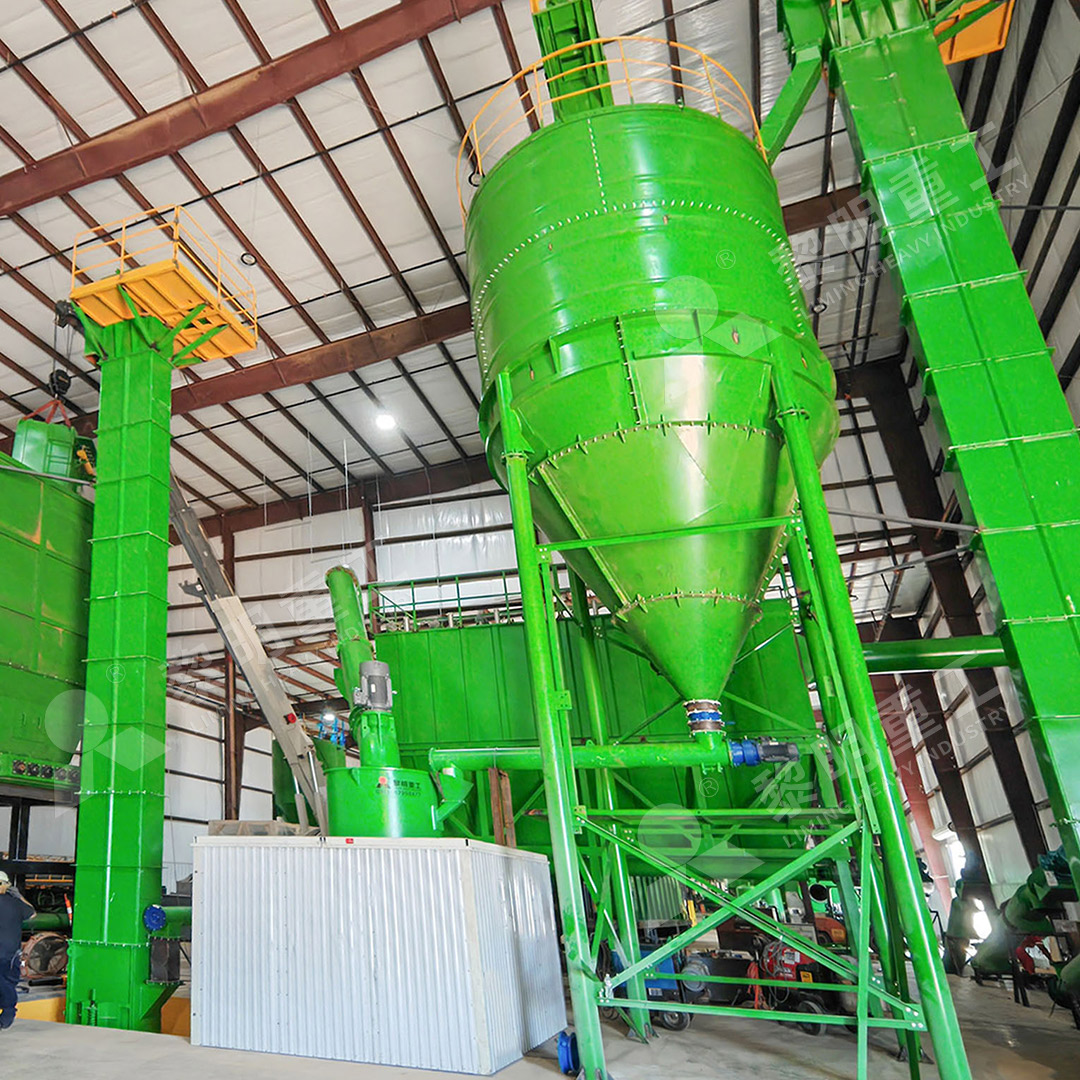
For operations looking for a vertical grinding solution, our LUM Ultrafine Vertical Grinding Mill is another excellent option. It integrates grinding, grading, and transporting with a compact footprint. Its unique roller shell and lining plate grinding curve design generates a stable material layer easier, enabling a high rate of finished product in a single pass. This translates to better efficiency and improved whiteness and cleanliness of the final product.
Conclusion: Investing in Grinding Performance
Selecting the right grinding equipment is a strategic decision that impacts your bottom line, product quality, and operational footprint. By focusing on key features like energy efficiency, maintenance-friendly design, precise control over fineness, and integrated environmental controls, modern hammer mills and specialized grinders like the MW series offer a compelling return on investment. They are not just machines; they are a critical component in building a more efficient, reliable, and sustainable industrial process.