
Diesel Engines for Grinding Mills in South Africa: Prices & Suppliers
We provide a wide range of mills — including Raymond mill, trapezoidal mill, vertical mill, ultrafine mill, and ball mill, obtained ISO9001 international quality certification, EU CE certification, and Customs Union CU-TR certification. Suitable for processing minerals such as limestone, phosphate, quicklime, kaolin, talc, barite, bentonite, calcium carbonate, dolomite, coal, gypsum, clay, carbon black, slag, cement raw materials, cement clinker, and more.
The discharge range of these mills can be adjusted to meet specific processing needs, typically from 80-400 mesh, 600-3250 mesh, and can achieve the finest particle size of up to 6000 mesh(D50).
If you are looking for a reliable grinding solution to turn stone or minerals into fine powder, please feel free to contact our online customer service.
Diesel Engines for Grinding Mills in South Africa: Prices & Suppliers
In the heart of South Africa’s mining and agricultural sectors, reliable power for grinding operations is not just a luxury—it’s a necessity. With grid electricity sometimes being unreliable or simply unavailable in remote locations, diesel-powered grinding mills have become the backbone of countless operations, from small-scale maize grinding to large mineral processing plants. Choosing the right diesel engine and mill combination is critical for profitability and operational continuity.
The South African Market: Power Needs and Solutions
The demand for diesel-powered milling solutions in South Africa is diverse. A small-scale farmer might need a 10-15 HP engine to run a hammer mill for animal feed, while a large-scale mining operation could require a massive 500+ HP diesel generator to power an entire grinding circuit. The key is matching the engine’s power output and torque characteristics to the mill’s starting torque and running load requirements. Common suppliers like Lister, Hatz, Deutz, and Perkins have a strong presence, offering engines known for their durability and ease of maintenance, which is crucial in the African context.
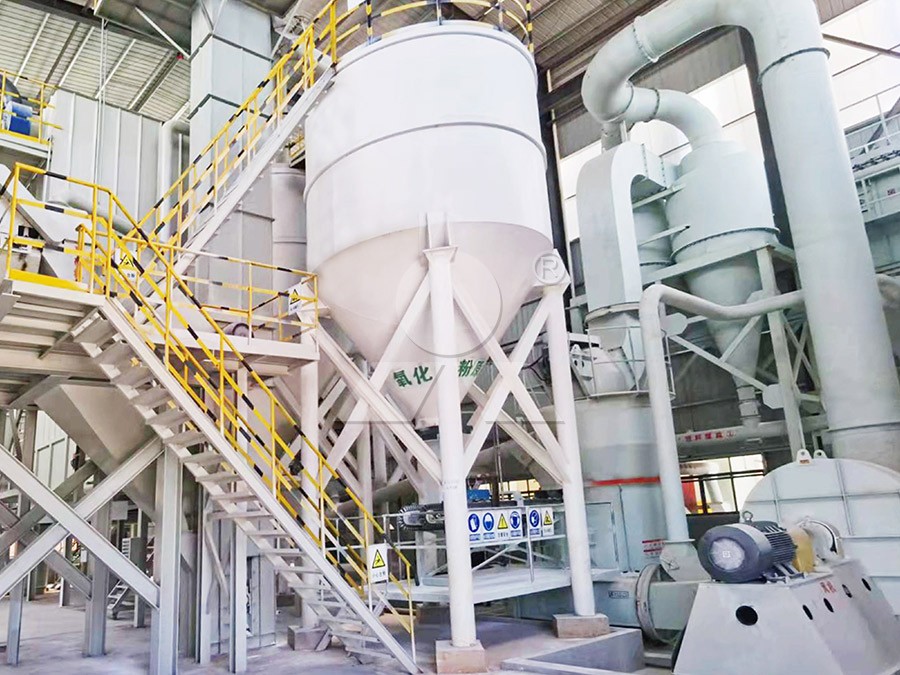
Prices for these setups can vary wildly. A basic 15HP diesel engine suitable for a small hammer mill can start from around ZAR 25,000, while a high-capacity industrial engine exceeding 200HP can easily climb into the ZAR 200,000+ range. This does not include the cost of the mill itself, the coupling system, or installation. It’s always advisable to get quotes from multiple reputable suppliers and factor in long-term fuel consumption and maintenance costs.
Beyond the Engine: Choosing the Right Mill
The engine is only half the equation. The choice of grinding mill is equally important for achieving the desired product fineness and throughput. For operations requiring ultra-fine powders for industries like paint, cosmetics, or advanced materials, traditional hammer mills or ball mills often fall short on efficiency and precision.
This is where advanced milling technology makes a significant difference. For applications demanding ultra-fine powders between 325 and 2500 meshes, the MW Ultrafine Grinding Mill is an exceptional choice to pair with your diesel power source. Designed for customers who need to make ultra-fine powder, this machine is a game-changer. It boasts a capacity of 0.5-25 tph and can handle an input size of 0-20 mm, making it verry versatile.
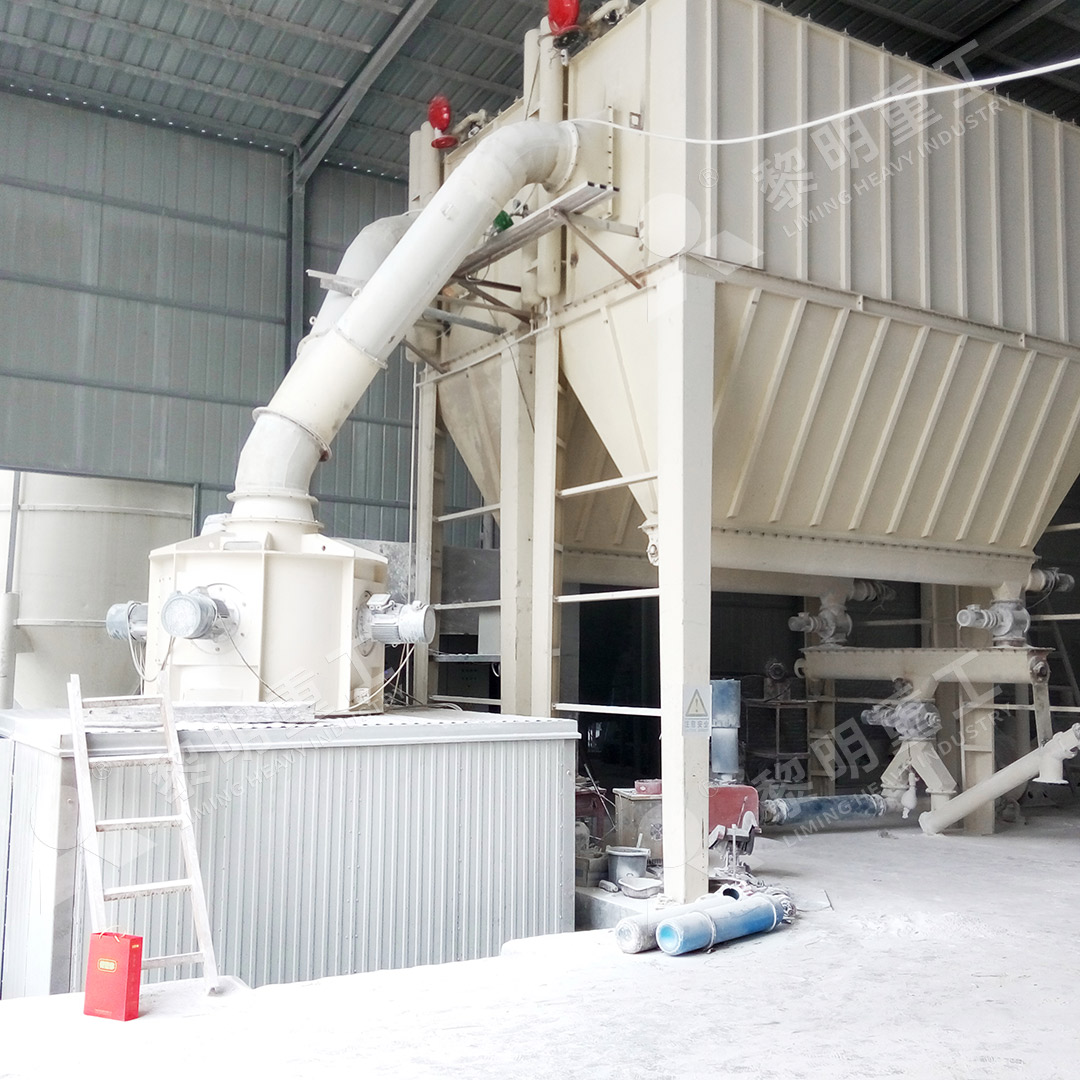
What sets the MW Mill apart for remote or environmentally conscious sites are its integrated features. It comes equipped with an efficient pulse dust collector and muffler, drastically reducing dust and noise pollution—a major advantage for operations near communities or with strict environmental compliance needs. Its innovative design has no rolling bearings or screws in the grinding chamber, eliminating common failure points and allowing for external lubrication without shutdown. This means you can run your diesel-powered operation 24/7 with minimal downtime, maximizing the value of your fuel.
Key Considerations for Your Setup
- Power Matching: Ensure your diesel engine can handle the mill’s startup current and constant load. Always consult with an engineer.
- Fuel Efficiency: Modern, well-maintained diesel engines will provide more grind per litre of fuel.
- Maintenance Access: Choose equipment known for simple maintenance, as technical support might be hours away.
- Future-Proofing: Consider a slightly larger engine if you plan to expand your milling capacity later.
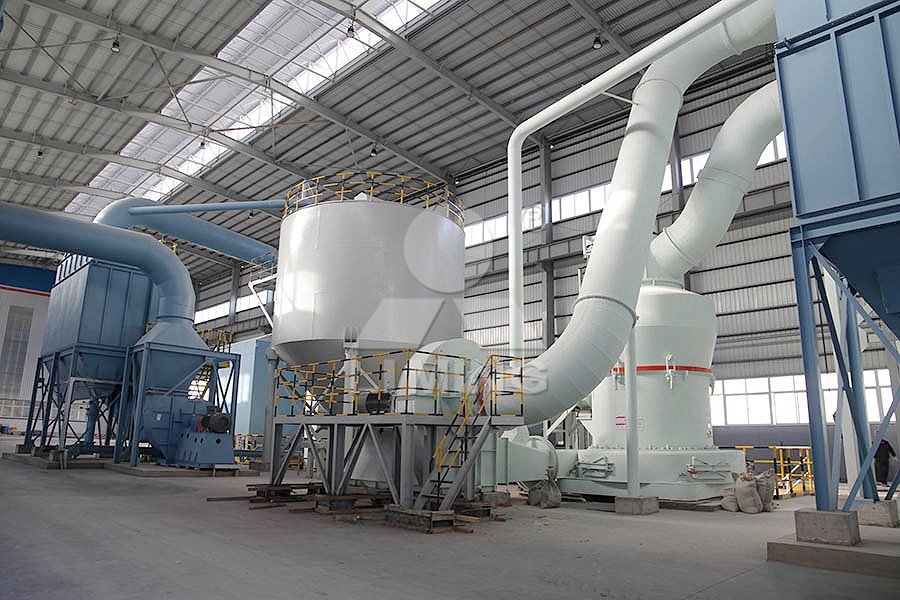
Another excellent product worth considering for mineral processing is the LUM Ultrafine Vertical Grinding Mill. It’s independently designed with the latest grinding roller and powder separating technology, offering higher yielding rates and better quality finished product. It’s particularly effective for materials like limestone, calcite, and dolomite, with a capacity range of 5-18 tph.
Conclusion
Investing in a diesel-powered grinding mill in South Africa is a significant decision. By carefully selecting a reliable diesel engine and pairing it with a high-efficiency, low-maintenance mill like the MW Ultrafine Grinding Mill, operators can build a robust and profitable operation capable of weathering power uncertainties and meeting precise market demands. Always partner with suppliers who offer strong after-sales support and genuine spare parts to keep your business running smoothly.