
Guide to Replacing Wear Parts in Industrial Pulverizing Equipment
We provide a wide range of mills — including Raymond mill, trapezoidal mill, vertical mill, ultrafine mill, and ball mill, obtained ISO9001 international quality certification, EU CE certification, and Customs Union CU-TR certification. Suitable for processing minerals such as limestone, phosphate, quicklime, kaolin, talc, barite, bentonite, calcium carbonate, dolomite, coal, gypsum, clay, carbon black, slag, cement raw materials, cement clinker, and more.
The discharge range of these mills can be adjusted to meet specific processing needs, typically from 80-400 mesh, 600-3250 mesh, and can achieve the finest particle size of up to 6000 mesh(D50).
If you are looking for a reliable grinding solution to turn stone or minerals into fine powder, please feel free to contact our online customer service.
Introduction
Industrial pulverizing equipment is subjected to intense wear and tear during operation, especially in high-throughput environments. Regular maintenance and timely replacement of wear parts are critical to ensuring optimal performance, minimizing downtime, and extending the lifespan of your machinery. This guide provides a comprehensive overview of the key wear parts in pulverizing equipment, signs of wear, and best practices for replacement.
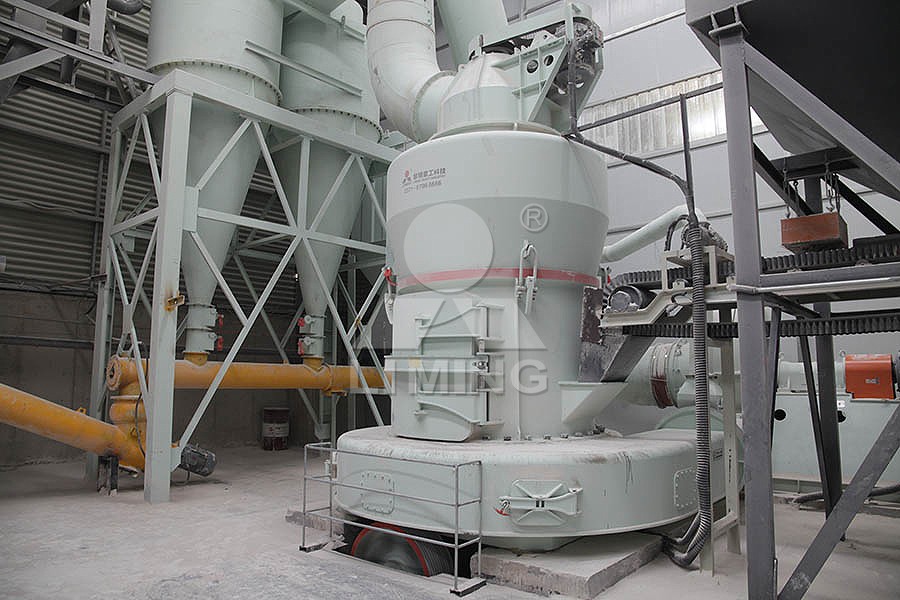
Key Wear Parts in Pulverizing Equipment
The most commonly replaced wear parts in industrial pulverizers include:
- Grinding rollers and rings
- Liners and cheek plates
- Classifier blades and rotors
- Bearings and seals
- Hammer mill tips and screens
Signs That Parts Need Replacement
Watch for these indicators that wear parts require attention:
- Decreased production output
- Increased energy consumption
- Changes in product fineness
- Unusual vibrations or noises
- Visible wear or damage to components
Recommended Replacement Procedures
Grinding Rollers and Rings
For equipment like our MW Ultrafine Grinding Mill (input size: 0-20mm, capacity: 0.5-25tph), the grinding rollers and rings are designed for easy replacement. The MW series features no rolling bearings in the grinding chamber, eliminating common failure points and simplifying maintenance.
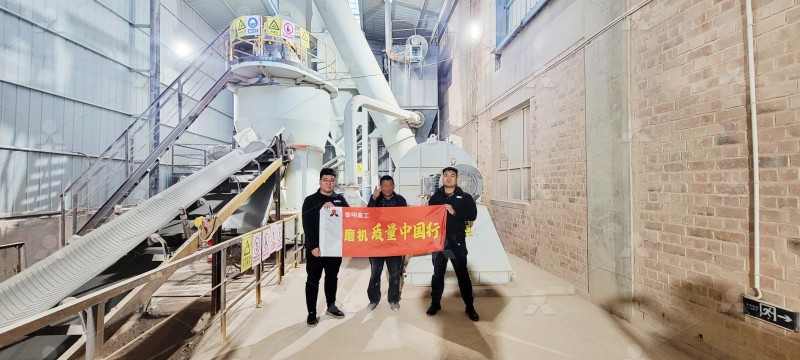
Classifier Components
The cage-type powder selector in the MW Ultrafine Grinding Mill benefits from German technology, offering precise separation with adjustable fineness between 325-2500 meshes. When replacing classifier parts, ensure proper alignment to maintain product quality.
Maintenance Best Practices
- Follow manufacturer-recommended service intervals
- Use only OEM replacement parts for optimal fit and performance
- Keep detailed maintenance records
- Train personnel on proper inspection techniques
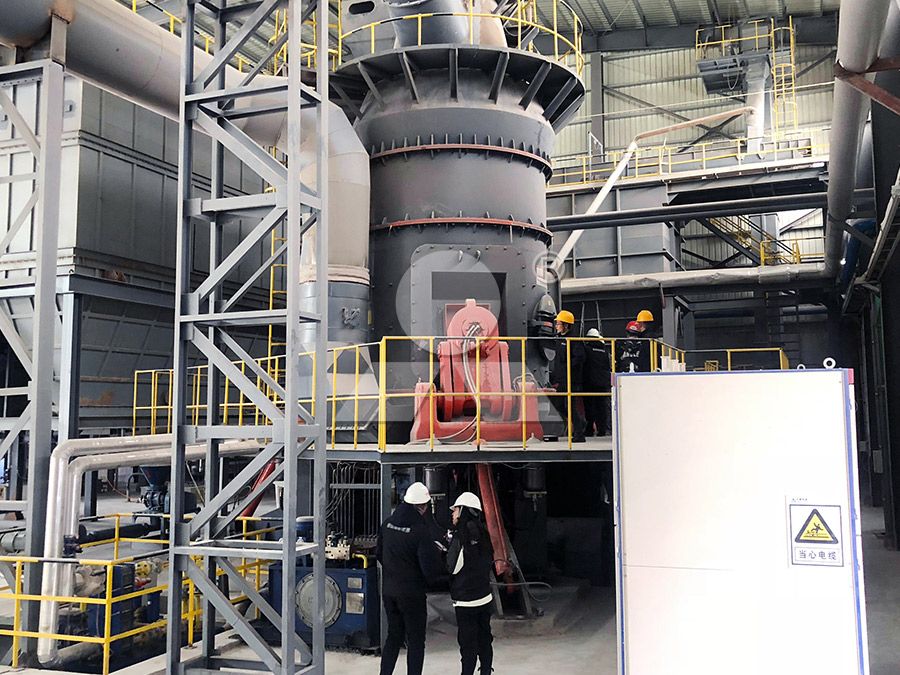
For operations requiring even higher throughput, consider our LUM Ultrafine Vertical Grinding Mill (input size: 0-10mm, capacity: 5-18tph) which features a reversible structure that makes roller maintenance significantly easier.
Conclusion
Proactive wear part management is essential for maintaining efficient pulverizing operations. By understanding your equipment’s critical wear components and following proper replacement procedures, you can maximize productivity while minimizing unplanned downtime. Always consult your equipment manual and consider working with the manufacturer for technical support on complex replacements.