
Ceramic Powder Grinding Mill: Process, Equipment, and Tips
We provide a wide range of mills — including Raymond mill, trapezoidal mill, vertical mill, ultrafine mill, and ball mill, obtained ISO9001 international quality certification, EU CE certification, and Customs Union CU-TR certification. Suitable for processing minerals such as limestone, phosphate, quicklime, kaolin, talc, barite, bentonite, calcium carbonate, dolomite, coal, gypsum, clay, carbon black, slag, cement raw materials, cement clinker, and more.
The discharge range of these mills can be adjusted to meet specific processing needs, typically from 80-400 mesh, 600-3250 mesh, and can achieve the finest particle size of up to 6000 mesh(D50).
If you are looking for a reliable grinding solution to turn stone or minerals into fine powder, please feel free to contact our online customer service.
Ceramic Powder Grinding Mill: Process, Equipment, and Tips
Grinding ceramic materials into fine powders is a critical step in numerous industries, from advanced ceramics and electronics to paints and coatings. The right grinding equipment can make all the difference in product quality, operational efficiency, and overall cost. Let’s dive into the process, explore key equipment considerations, and share some pro tips for optimal results.
The Grinding Process: A Quick Overview
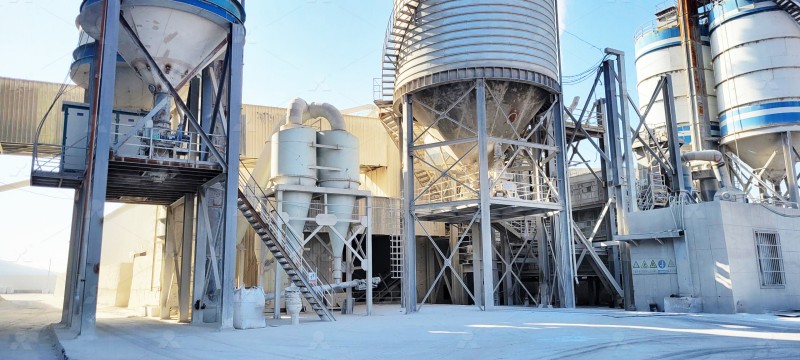
The journey from raw ceramic lumps to a consistent, ultra-fine powder involves several key stages. It typically starts with primary crushing to reduce large chunks to a manageable size (usually below 20mm). This is followed by the crucial secondary grinding stage, where the material is pulverized into the desired fineness. The final steps often involve classification to separate particles by size and collection of the final product. Throughout this process, controlling contamination, heat, and energy consumption is paramount for ceramic applications.
Choosing the Right Equipment: It’s All About the Powder
Not all grinding mills are created equal, especially when dealing with hard and often abrasive ceramic materials. While traditional options like Ball Mills or Raymond Mills are common, modern operations demand higher efficiency and finer control.
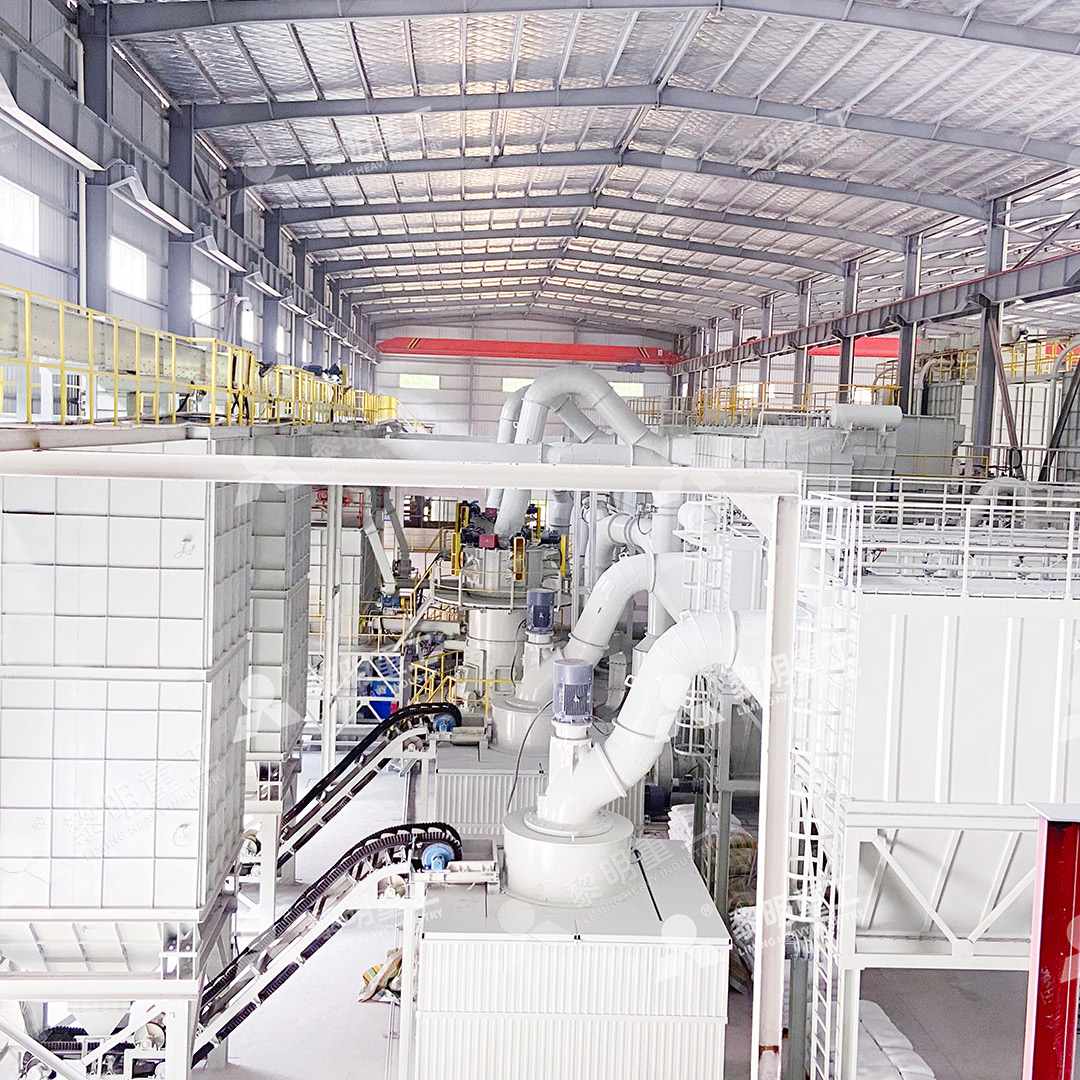
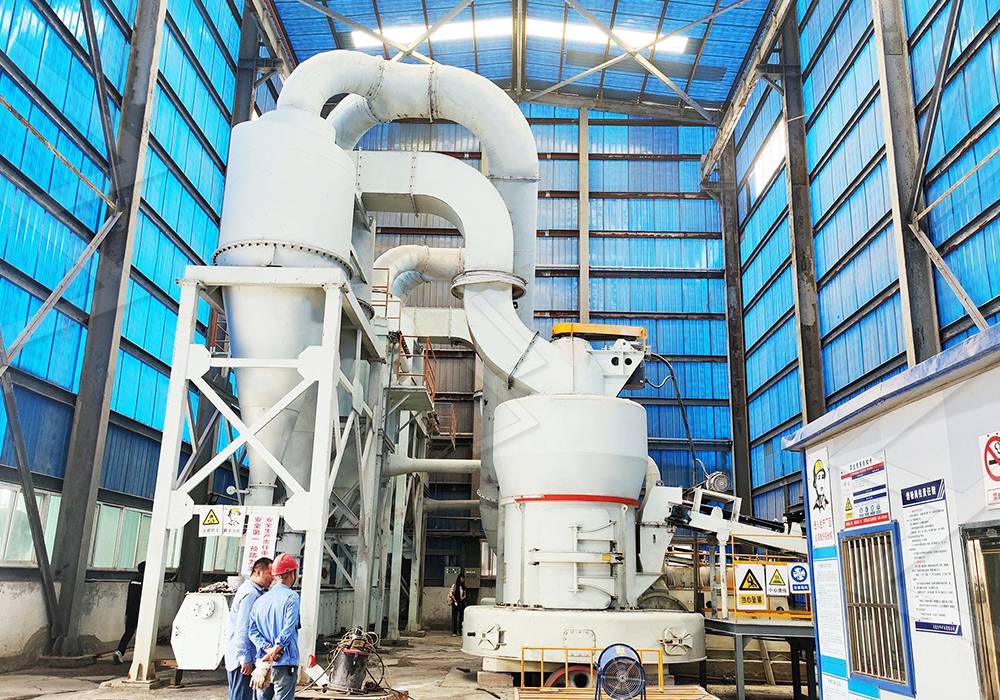
For producers aiming for ultra-fine powders (325-2500 meshes) with superior efficiency, an MW Ultrafine Grinding Mill is an exceptional choice. This machine is engineered for customers who need to make ultra-fine powder without the headaches. A standout feature is the absence of rolling bearings and screws in the grinding chamber. This brilliant design eleminates worries about bearing failures or machine damage from loose screws, a common frustration in other mills. Furthermore, it’s equipped with an efficient pulse dust collector and muffler, significantly reducing dust and noise for a much cleaner and quieter operation that meets strict environmental standards. With an input size of 0-20 mm and a capacity range of 0.5-25 tph, it’s a versatile workhorse for materials like limestone, calcite, dolomite, and of course, various ceramic compositions.
Pro Tips for Efficient and Effective Grinding
- Know Your Material: Understand the hardness, abrasiveness, and moisture content of your ceramic feedstock. This will directly influence your mill choice and operating parameters.
- Focus on Fineness Control: Utilize mills with advanced, adjustable classifiers. For instance, the MW Mill’s cage-type powder selector, which adopts German technologies, allows precise adjustment between 325-2500 meshes.
- Prioritize Maintenance & Accessibility: Look for designs that simplify upkeep. External lubrication systems (allowing lubrication without shutdown) and easy access to wear parts drastically reduce downtime and operating costs.
- Embrace Automation: Modern mills with digital controls and PLC systems offer consistent quality, repeatability, and lower energy consumption by optimizing grinding pressure and speed automatically.
- Don’t Neglect Dust Control: Ceramic dust can be a serious hazard. Invest in a mill with a integrated, high-efficiency pulse dust collection system to protect your workers, your equipment, and the environment.
Conclusion
Selecting the ideal grinding mill is a strategic decision that impacts your product quality, operational budget, and production capacity. By understanding the grinding process, carefully evaluating equipment features against your specific needs—such as the high-yielding, eco-friendly operation of the MW Ultrafine Grinding Mill—and implementing best practices, you can achieve a superior ceramic powder efficiently and reliably.