Cost Structure Analysis of Dolomite Powder Production: Key Factors and Breakdown
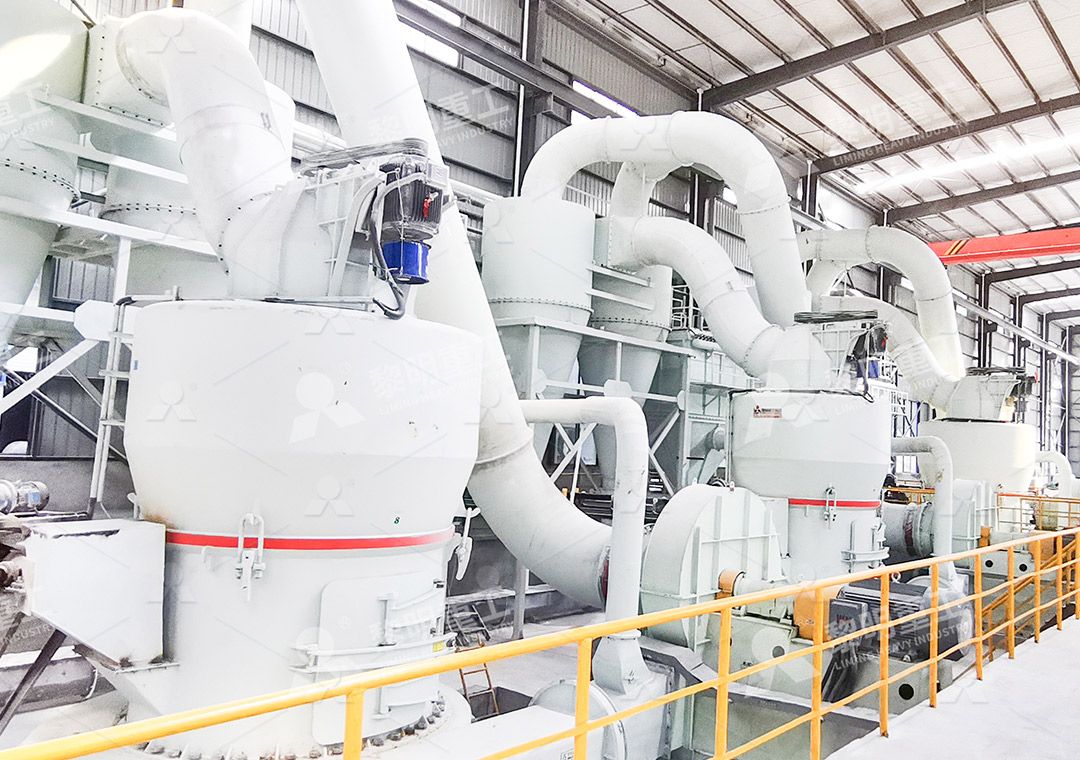
We provide a wide range of mills — including Raymond mill, trapezoidal mill, vertical mill, ultrafine mill, and ball mill, obtained ISO9001 international quality certification, EU CE certification, and Customs Union CU-TR certification. Suitable for processing minerals such as limestone, phosphate, quicklime, kaolin, talc, barite, bentonite, calcium carbonate, dolomite, coal, gypsum, clay, carbon black, slag, cement raw materials, cement clinker, and more.
The discharge range of these mills can be adjusted to meet specific processing needs, typically from 80-400 mesh, 600-3250 mesh, and can achieve the finest particle size of up to 6000 mesh(D50).
If you are looking for a reliable grinding solution to turn stone or minerals into fine powder, please feel free to contact our online customer service.
Cost Structure Analysis of Dolomite Powder Production: Key Factors and Breakdown
Producing high-quality dolomite powder is a complex industrial process where understanding the cost structure is paramount for profitability. A thorough analysis reveals that the grinding mill is not just a piece of machinery; it’s the heart of the operation, significantly influencing capital expenditure (CAPEX), operational expenditure (OPEX), and ultimately, the bottom line. This article breaks down the key cost factors and highlights how technological choice is the primary driver of financial efficiency.
1. Capital Investment: The Initial Outlay
The initial capital investment sets the financial foundation. This includes the cost of the grinding mill itself, auxiliary equipment (crushers, dryers, classifiers, dust collectors), installation, and commissioning. While a lower-priced, traditional mill like a Raymond or Ball Mill might seem attractive upfront, it often leads to higher long-term costs. Modern mills, though requiring a higher initial investment, are engineered for superior efficiency and lower lifetime operating costs.
2. Operational Costs: The Continuous Drain
OPEX is where the real financial battle is won or lost. The major components include:
- Energy Consumption: This is the single largest operational cost, often constituting 40-50% of the total. Traditional ball mills are notoriously inefficient, with much of the energy wasted as heat and noise.
- Wear Parts & Maintenance: The abrasiveness of dolomite leads to rapid wear of grinding rollers, rings, and liners. Frequent shutdowns for part replacement incur not just parts costs but significant labor costs and production losses.
- Labor: Automated systems with advanced controls require less manual intervention, reducing labor costs and human error.
- Downtime: Unplanned maintenance stops are incredibly costly. Reliability is a non-negotiable feature for minimizing this expense.
3. The Technological Solution: MW Ultrafine Grinding Mill
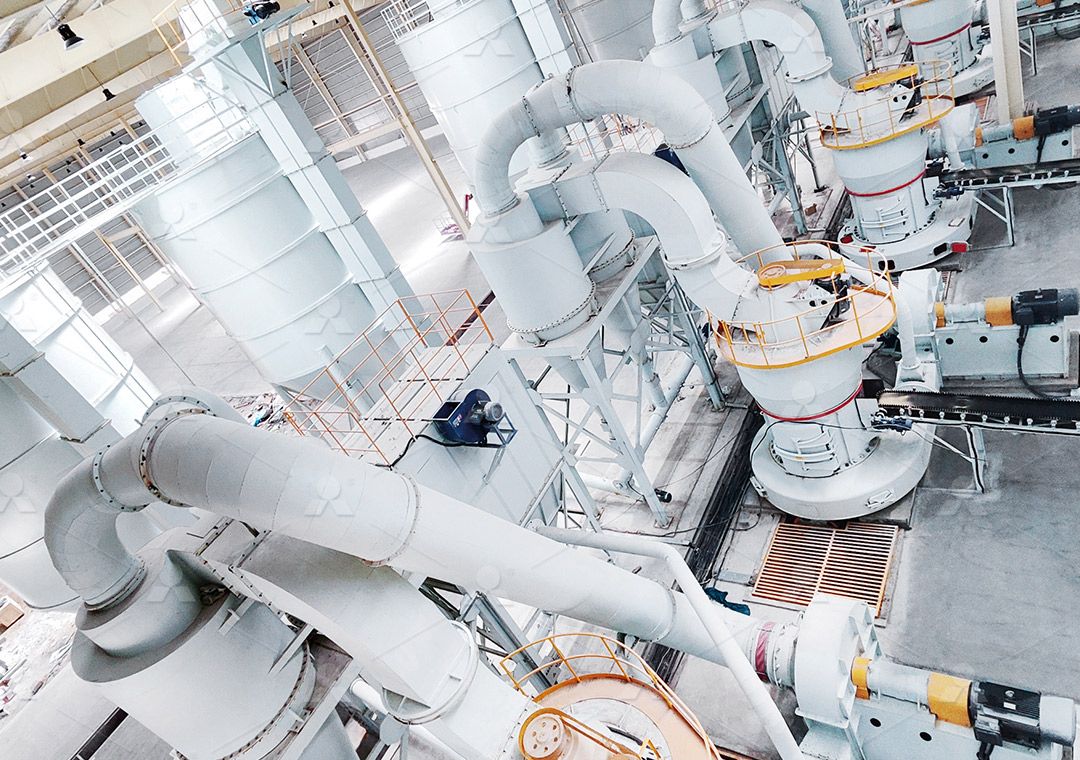
To adress these cost centers directly, our MW Ultrafine Grinding Mill is engineered for maximum financial and operational efficiency. It’s not just about making powder; it’s about optimizing the entire cost structure.
Key features that directly impact your costs:
- Higher Yielding, Lower Energy Consumption: With production capacity 40% higher than jet mills and energy consumption only 30% of them, the MW Mill slashes your biggest OPEX component. Its innovative design means you get more tonnage per kilowatt-hour.
- No Rolling Bearing & Screw in Grinding Chamber: This revolutionary design eliminates common failure points. You are free from worries about damaged bearings or loose screws causing catastrophic failure, drastically reducing maintenance costs and unplanned downtime.
- Adjustable Fineness (325-2500 meshes): Produce a wide range of products for different market segments with a single, versatile machine, maximizing your return on investment.
- Eco-friendly Operation: The integrated efficient pulse dust collector ensures no dust pollution, keeping you compliant with environmental regulations and avoiding potential fines.
4. For Large-Scale Integrated Operations: LUM Ultrafine Vertical Grinding Mill
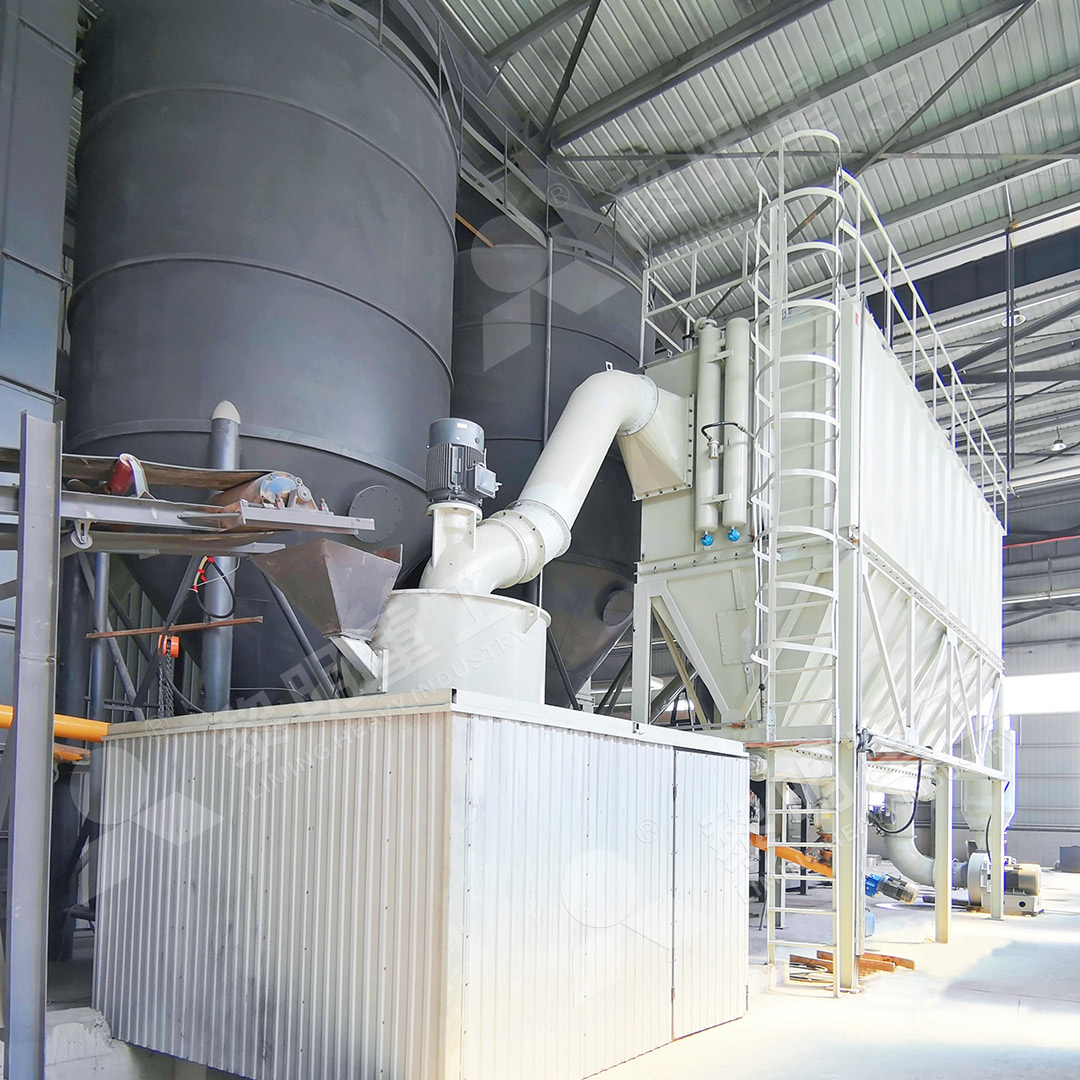
For producers requiring massive throughput and fully integrated drying and grinding, our LUM Ultrafine Vertical Grinding Mill presents another compelling option. It integrates crushing, drying, grinding, classifying, and conveying, reducing the need for multiple pieces of equipment and simplifying the entire process flow. Its multi-head powder separating technology and reversible structure for easier maintenance further enhance its cost-effectiveness for high-volume applications.
5. Conclusion: Investing in Efficiency
A savvy cost structure analysis for dolomite powder production moves beyond the price tag of the equipment. It requires a holistic view of how the machinery impacts every line item, from the electric bill to the maintenance scheduler’s calendar. Investing in advanced technology like the MW Ultrafine Grinding Mill is an investment in lowering your total cost of ownership. By prioritizing energy efficiency, minimal maintenance, operational stability, and production versatility, you build a more resilient and profitable operation, ready to compete in the global market.