List of Stone Quarry Milling Companies in Nigeria
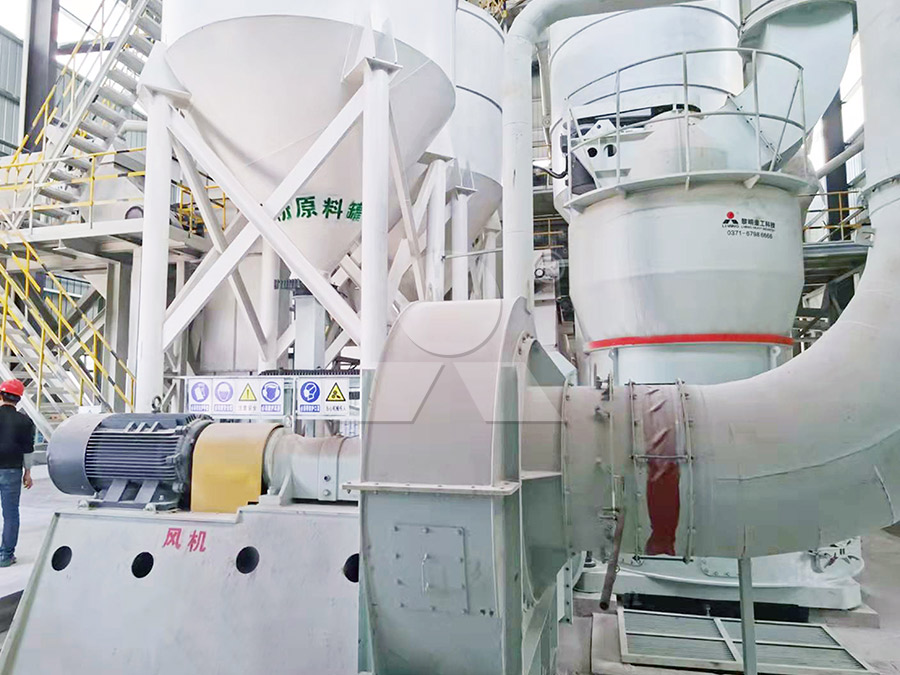
We provide a wide range of mills — including Raymond mill, trapezoidal mill, vertical mill, ultrafine mill, and ball mill, obtained ISO9001 international quality certification, EU CE certification, and Customs Union CU-TR certification. Suitable for processing minerals such as limestone, phosphate, quicklime, kaolin, talc, barite, bentonite, calcium carbonate, dolomite, coal, gypsum, clay, carbon black, slag, cement raw materials, cement clinker, and more.
The discharge range of these mills can be adjusted to meet specific processing needs, typically from 80-400 mesh, 600-3250 mesh, and can achieve the finest particle size of up to 6000 mesh(D50).
If you are looking for a reliable grinding solution to turn stone or minerals into fine powder, please feel free to contact our online customer service.
An Overview of Nigeria’s Quarry Milling Sector
Nigeria’s construction and industrial sectors are booming, driving significant demand for high-quality stone powders and aggregates. The quarry milling industry plays a pivotal role in transforming raw mineral wealth into valuable products for construction, manufacturing, agriculture, and beyond. From limestone and calcite to barite and granite, Nigerian quarries process a diverse range of materials, requiring robust and efficient milling machinery to meet market specifications.
Several key players operate accross the nation, from large-scale integrated mining companies in Kogi and Ogun states to specialized milling facilities closer to urban centers like Lagos and Abuja. The choice of milling equipment is a critical factor for these companies, directly impacting their productivity, product quality, and operational costs.
Key Challenges in Stone Milling
Nigerian milling companies face a unique set of challenges. Erratic power supply often necessitates reliable, energy-efficient machinery that can operate on alternative power sources. The abrasive nature of local stone varieties also demands equipment with superior wear resistance to minimize downtime for maintenance and parts replacement. Furthermore, increasing environmental regulations require milling solutions that effectively control dust and noise pollution.
In this competitive landscape, investing in advanced technology is not a luxury but a necessity. Companies that utilize modern, efficient mills gain a significant edge through lower operating costs, higher product consistency, and the ability to produce value-added ultra-fine powders for specialized markets.
Essential Milling Equipment for Modern Quarries
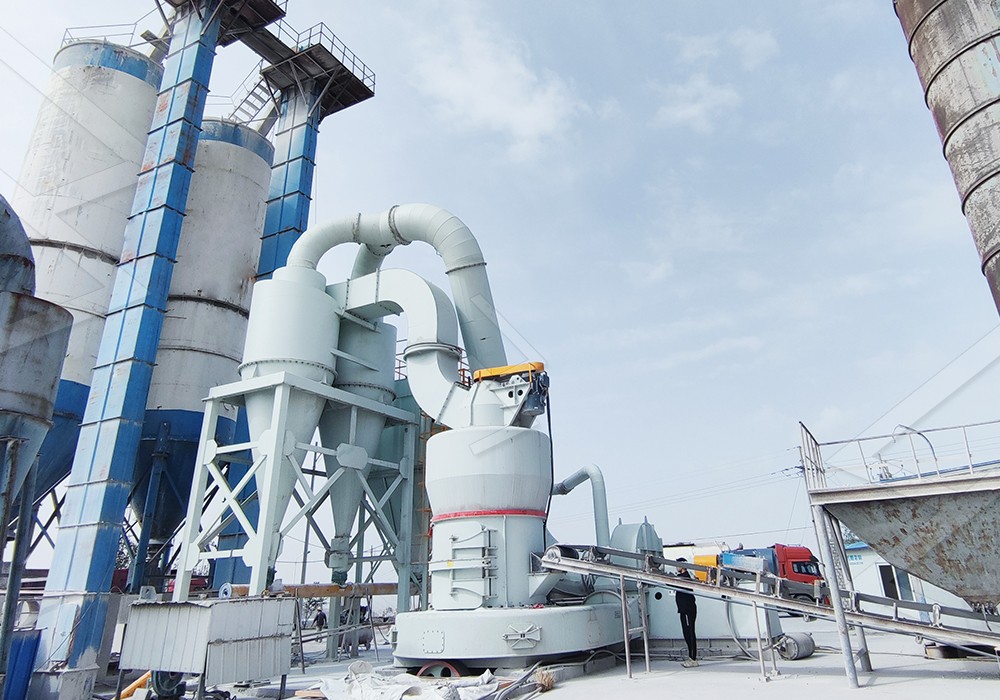
The backbone of any successful milling operation is its equipment. While traditional ball mills and Raymond mills are still in use, forward-thinking companies are rapidly adopting more advanced vertical roller mills and ultra-fine grinding systems. These modern mills offer superior energy efficiency, finer control over product fineness, and more compact footprints.
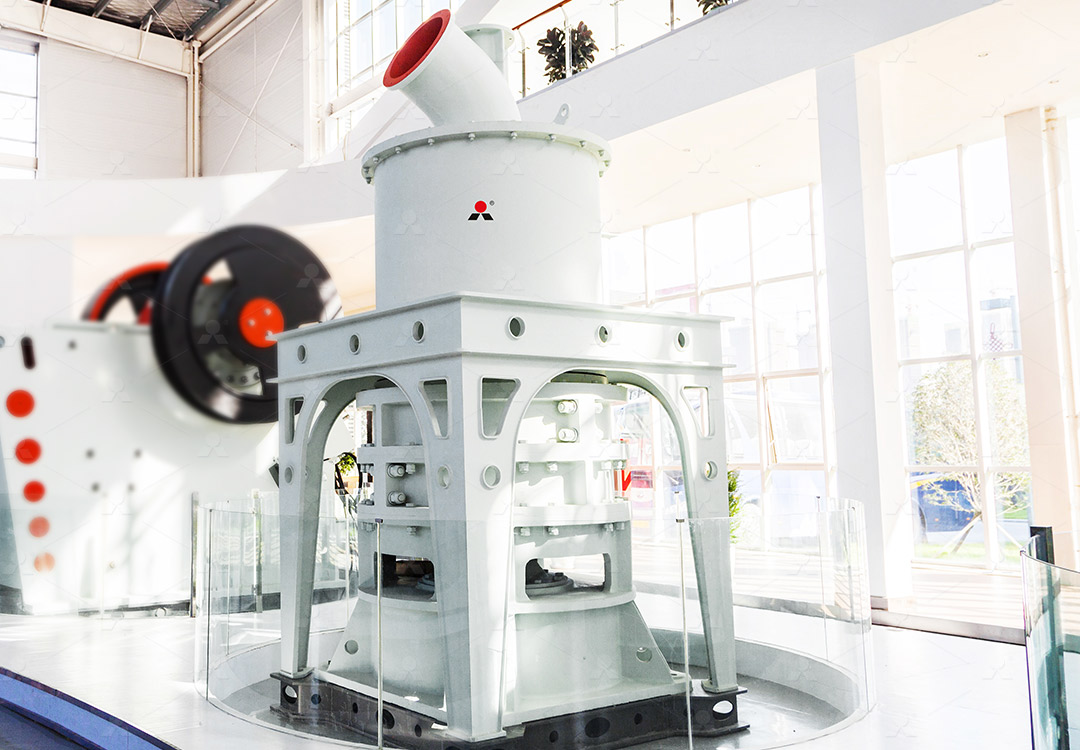
For operations focusing on high-value ultra-fine powders (325-2500 meshes), the MW Ultrafine Grinding Mill presents an exceptional solution. This machine is specifically engineered for customers needing to make ultra-fine powder. A key advantage for Nigerian operators is its robust design: there are no rolling bearings or screws in the grinding chamber, virtually eliminating worries about bearing damage or machine failure from loose screws—a common headache in high-vibration environments. Its efficient pulse dust collector and muffler ensure operations meet environmental standards, a growing concern for local communities and regulators. With an input size of 0-20 mm and a capacity range of 0.5-25 tph, it’s versatile enough for various Nigerian quarry outputs.
Beyond Ultra-Fine: Versatile Milling Solutions
For other applications, the LUM Ultrafine Vertical Grinding Mill is another top-tier choice. It integrates grinding, grading, and transporting into a single, cohesive system. Its standout feature is the reversible structure, which drastically simplifies maintenance. Considering the often remote locations of Nigerian quarries and potential difficulties in sourcing specialized technical expertise, this design allows operators to easily move the grinding roller out of the body for inspection and part replacement, significantly reducing costly shutdown time. With an input size of 0-10 mm and a capacity of 5-18 tph, it’s a powerful tool for precision milling.
The shift towards such advanced, automated milling equipment is defining the future of Nigeria’s extractive industry. Companies that embrace these technologies are better positioned to maximize the value of the nation’s mineral resources, reduce their environmental footprint, and compete effectively in both domestic and international markets.