
Using Slag Micro-Powder in Concrete Mixing Plants: Benefits and Best Practices
We provide a wide range of mills — including Raymond mill, trapezoidal mill, vertical mill, ultrafine mill, and ball mill, obtained ISO9001 international quality certification, EU CE certification, and Customs Union CU-TR certification. Suitable for processing minerals such as limestone, phosphate, quicklime, kaolin, talc, barite, bentonite, calcium carbonate, dolomite, coal, gypsum, clay, carbon black, slag, cement raw materials, cement clinker, and more.
The discharge range of these mills can be adjusted to meet specific processing needs, typically from 80-400 mesh, 600-3250 mesh, and can achieve the finest particle size of up to 6000 mesh(D50).
If you are looking for a reliable grinding solution to turn stone or minerals into fine powder, please feel free to contact our online customer service.
Using Slag Micro-Powder in Concrete Mixing Plants: Benefits and Best Practices
Hey folks, let’s talk about something that’s been a real game-changer in the concrete industry: slag micro-powder. If you’re running a mixing plant and aren’t already incorporating this stuff, you’re probably leaving money on the table and performance in the yard. I’ve seen firsthand how switching to a quality slag powder can transform both the product and the bottom line.
Why Slag? The Core Benefits
Ground Granulated Blast Furnace Slag (GGBFS) isn’t new, but the tech to grind it super fine is. This ultra-fine powder acts as a supplementary cementitious material (SCM). When you mix it into your concrete, magic happens. First off, the workability improves dramatically. The micro-powder fills in the gaps between cement particles, leading to a denser, less permeable concrete. This means better durability, especially against sulfate attack and chloride ingress – a huge plus for infrastructure projects.
The heat of hydration is significantly reduced. For large pours, this is a lifesaver, minimizing thermal cracking. You also get a higher later-age strength. While early strength might be slightly lower, the 28-day and 56-day strengths often surpass plain Portland cement mixes. And let’s not forget the sustainability angle. Using slag, an industrial byproduct, reduces the clinker factor in your concrete, slashing its carbon footprint. It’s a win-win-win: performance, cost, and environment.
The Key: Consistent, Ultra-Fine Grinding
Here’s the catch though. Not all slag powder is created equal. The magic is in the fineness and the consistency. You need a powder with a high Blaine fineness, think 400-600 m²/kg or even higher, and a tight particle size distribution. This is where your grinding mill becomes the most critical piece of equipment in your supply chain. An inconsistent grind leads to inconsistent concrete, and that’s a nightmare no plant manager wants.
Choosing the Right Mill for the Job
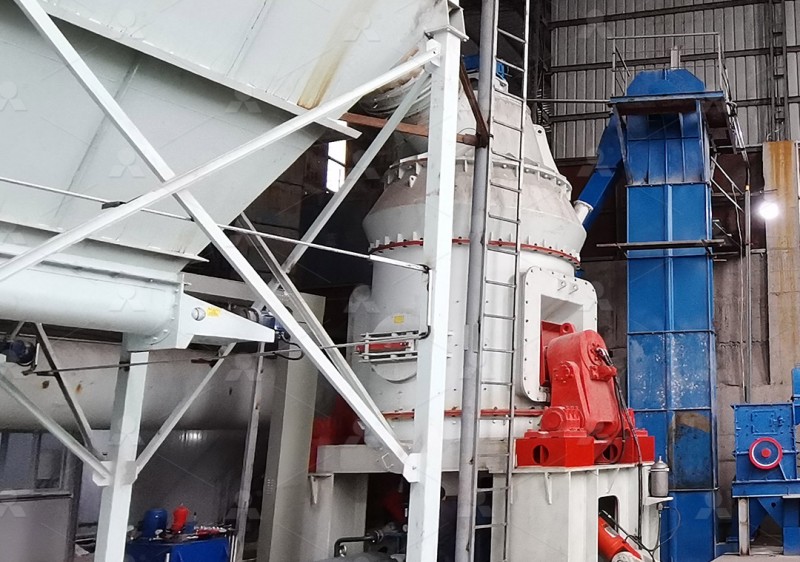
You can’t get this quality with just any old grinder. You need technology designed for precision and efficiency. This is where I’ve been seriously impressed with the MW Ultrafine Grinding Mill from LIMING. We’ve been testing one for the past year, and its performance with slag is outstanding.
Its cage-type powder selector, which uses German tech, gives you incredible control over fineness, allowing adjustments between 325 and 2500 meshes. For slag, you’re typically targeting that 400-600 area, and this mill holds it steady. The best part? No rolling bearings or screws in the grinding chamber. That might sound like a small detail, but it eliminates a major source of maintenance headaches and machine failure. The thing just runs and runs. With an input size of 0-20 mm and a capacity of 0.5-25 tph, it’s a perfect fit for most concrete plant operations looking to produce their own premium slag powder on-site.
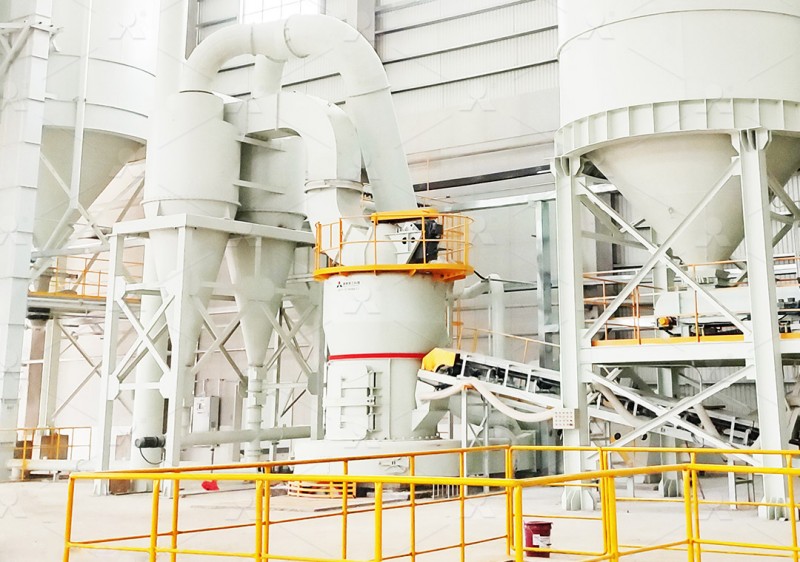
For even larger operations, their LUM Ultrafine Vertical Grinding Mill is another beast worth looking at. It integrates grinding, classifying, and transporting, and its multi-head powder separating technology is top-notch for achieving that precise cut. It’s a real workhorse.
Best Practices for Integration
- Source Quality Slag: Start with a consistent, high-quality granular slag. Garbage in, garbage out.
- Target the Right Fineness: Work with your lab to determine the optimal fineness for your specific mix designs and performance requirements.
- Control Moisture: Slag must be bone dry before grinding. Any moisture will clog the mill and ruin your powder quality.
- Replace wisely: Typically, you can replace 20-50% of Portland cement with slag micro-powder. Start conservatively and test, test, test.
- Adjust Mix Designs: You might need to tweak your water content and admixtures to account for the different properties of the slag-concrete mix.
The Bottom Line
Incorporating high-quality slag micro-powder is one of the smartest moves a concrete producer can make. It upgrades your product, saves money on cement, and meets growing demand for sustainable construction. The key is investing in the right grinding technology to ensure you get a consistent, ultra-fine product every time. Do it right, and your customers will notice the difference.