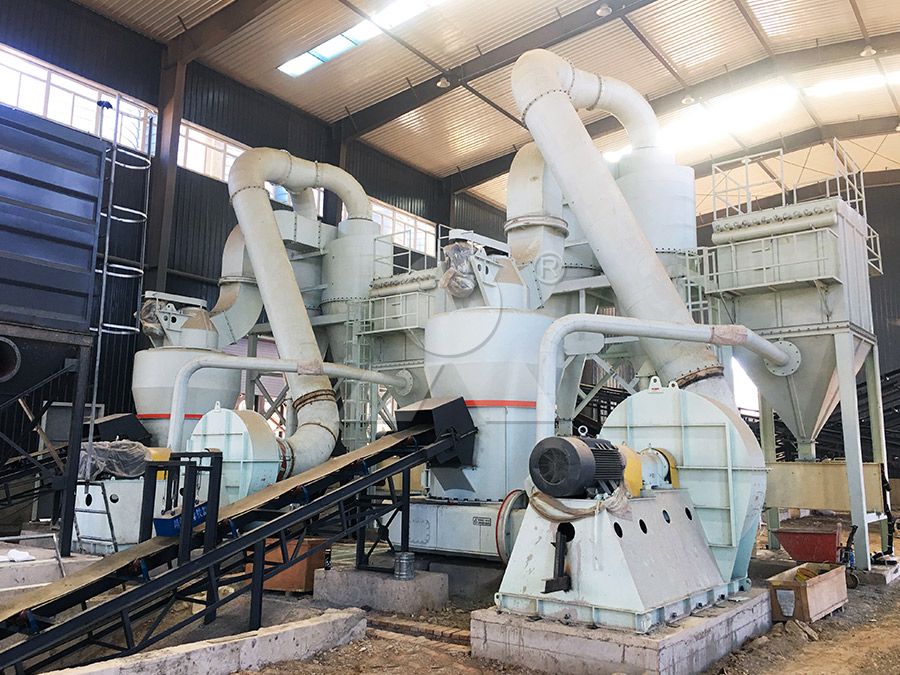
Phosphate Rock Grinding Production Line Cost Analysis & Budget Planning
We provide a wide range of mills — including Raymond mill, trapezoidal mill, vertical mill, ultrafine mill, and ball mill, obtained ISO9001 international quality certification, EU CE certification, and Customs Union CU-TR certification. Suitable for processing minerals such as limestone, phosphate, quicklime, kaolin, talc, barite, bentonite, calcium carbonate, dolomite, coal, gypsum, clay, carbon black, slag, cement raw materials, cement clinker, and more.
The discharge range of these mills can be adjusted to meet specific processing needs, typically from 80-400 mesh, 600-3250 mesh, and can achieve the finest particle size of up to 6000 mesh(D50).
If you are looking for a reliable grinding solution to turn stone or minerals into fine powder, please feel free to contact our online customer service.
Phosphate Rock Grinding Production Line Cost Analysis & Budget Planning
When planning a phosphate rock grinding production line, understanding the cost structure and budget requirements is crucial for project viability. Phosphate rock, a key raw material for fertilizers and industrial chemicals, requires fine grinding to achieve the desired reactivity and market specifications. The selection of grinding equipment significantly impacts both capital expenditure (CAPEX) and operational expenditure (OPEX).
Key Cost Components
The total cost of ownership for a grinding line includes initial investment, energy consumption, maintenance, spare parts, and environmental compliance. Traditional ball mills, while low in initial cost, often incur high energy and maintenance expenses due to inefficiencies and frequent part replacements. For phosphate rock, which typically requires grinding to 100-400 meshes, efficiency and precision are paramount.
Energy Consumption: The Hidden Cost Driver
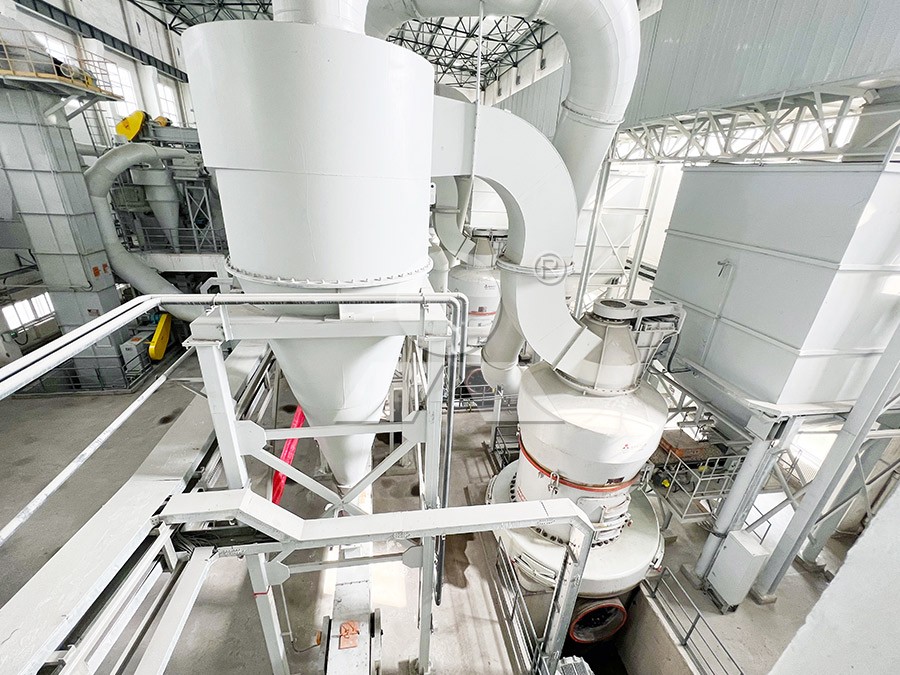
Energy can account for up to 50% of operational costs in grinding operations. Older technologies like Raymond mills or ball mills consume excessive power due to mechanical friction and inefficient particle separation. For instance, a ball mill might use 30-40% more energy compared to advanced vertical mills for the same output fineness.
Recommendation: MW Ultrafine Grinding Mill
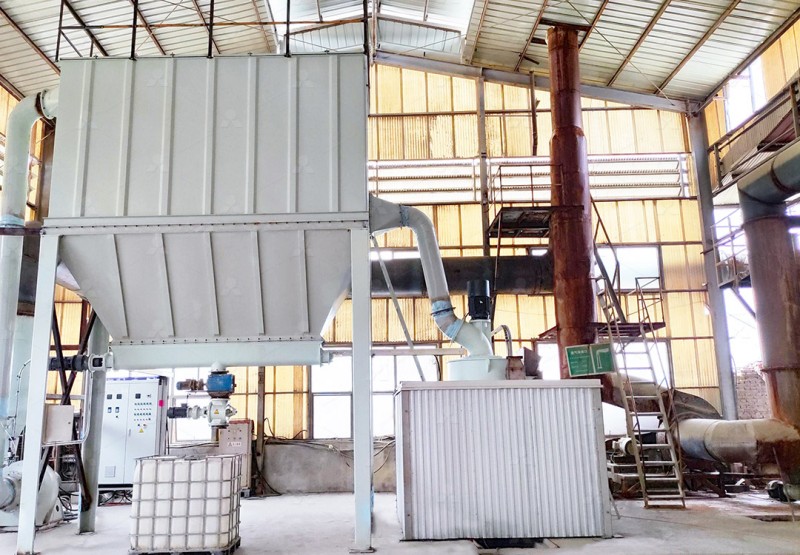
For projects targeting ultra-fine phosphate powder (325-2500 meshes), we highly recommend our MW Ultrafine Grinding Mill. With an input size of 0-20 mm and capacity ranging from 0.5 to 25 tph, it is engineered for high yield and low energy use. Its cage-type powder selector, based on German technology, ensures precise fineness control with minimal energy waste. The mill operates without rolling bearings or screws in the grinding chamber, eliminating common failure points and reducing maintenance downtime. Additionally, its pulse dust collector ensures eco-friendly operation, aligning with strict environmental standards.
Budget Planning Considerations
When budgeting, factor in the mill’s higher initial cost against long-term savings. The MW mill reduces energy use by 30% compared to jet mills and doubles the output of ball mills. Its durable design and external lubrication system allow 24/7 operation with minimal interruptions. Spare parts support from our company ensures worry-free maintenance, reducing lifecycle costs.
Conclusion
Investing in advanced grinding technology like the MW Ultrafine Grinding Mill optimizes both cost and performance for phosphate rock processing. By prioritizing energy efficiency and low maintenance, operators can achieve a faster return on investment while meeting environmental goals. For detailed quotes and technical support, contact our engineering team to tailor a solution to your specific needs.