
Ball Mills for Calcite Grinding: Systems, Design, and Efficiency
We provide a wide range of mills — including Raymond mill, trapezoidal mill, vertical mill, ultrafine mill, and ball mill, obtained ISO9001 international quality certification, EU CE certification, and Customs Union CU-TR certification. Suitable for processing minerals such as limestone, phosphate, quicklime, kaolin, talc, barite, bentonite, calcium carbonate, dolomite, coal, gypsum, clay, carbon black, slag, cement raw materials, cement clinker, and more.
The discharge range of these mills can be adjusted to meet specific processing needs, typically from 80-400 mesh, 600-3250 mesh, and can achieve the finest particle size of up to 6000 mesh(D50).
If you are looking for a reliable grinding solution to turn stone or minerals into fine powder, please feel free to contact our online customer service.
Ball Mills for Calcite Grinding: Systems, Design, and Efficiency
Calcite, a naturally occuring mineral form of calcium carbonate, is a cornerstone material for numerous industries, from plastics and paints to construction and pharmaceuticals. Achieving the desired fineness and particle size distribution is paramount, and for decades, the ball mill has been a traditional workhorse for this task. However, the quest for higher efficiency, lower energy consumption, and superior product quality has driven significant innovation in grinding technology.
The Traditional Ball Mill: A Workhorse with Limitations
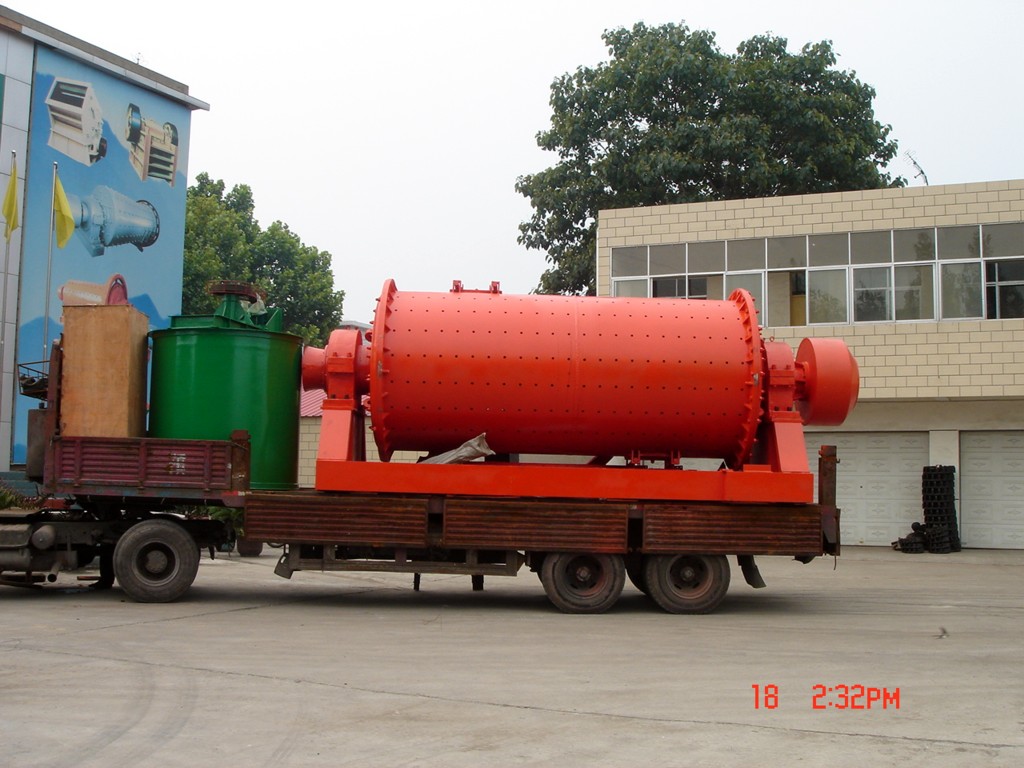
The conventional ball mill operates on a simple principle: a rotating cylinder filled with grinding media (balls) imparts impact and attrition forces on the feed material, reducing its size. While reliable and capable of producing a wide range of fineness, these systems often suffer from high energy consumption, significant wear and tear on grinding media and liners, and potential for iron contamination—a critical concern for high-purity calcite applications. The system’s efficiency is also heavily influenced by factors like feed size, material hardness, and the desired final fineness.
Modern Approaches to Calcite Comminution
The evolution of grinding technology has moved towards systems that offer greater control, higher efficiency, and improved environmental performance. Key advancements include integrated drying for moist feeds, highly efficient classifiers that prevent over-grinding, and designs that minimize mechanical wear and thus contamination.
For ultra-fine grinding of calcite down to the micron and sub-micron level, specialized mills have become the industry standard. These mills leverage principles like centrifugal force and precise air classification to achieve yields and fineness that are simply unattainable with a standard ball mill, all while operating at a fraction of the energy cost.
Recommended Solution: The MW Ultrafine Grinding Mill
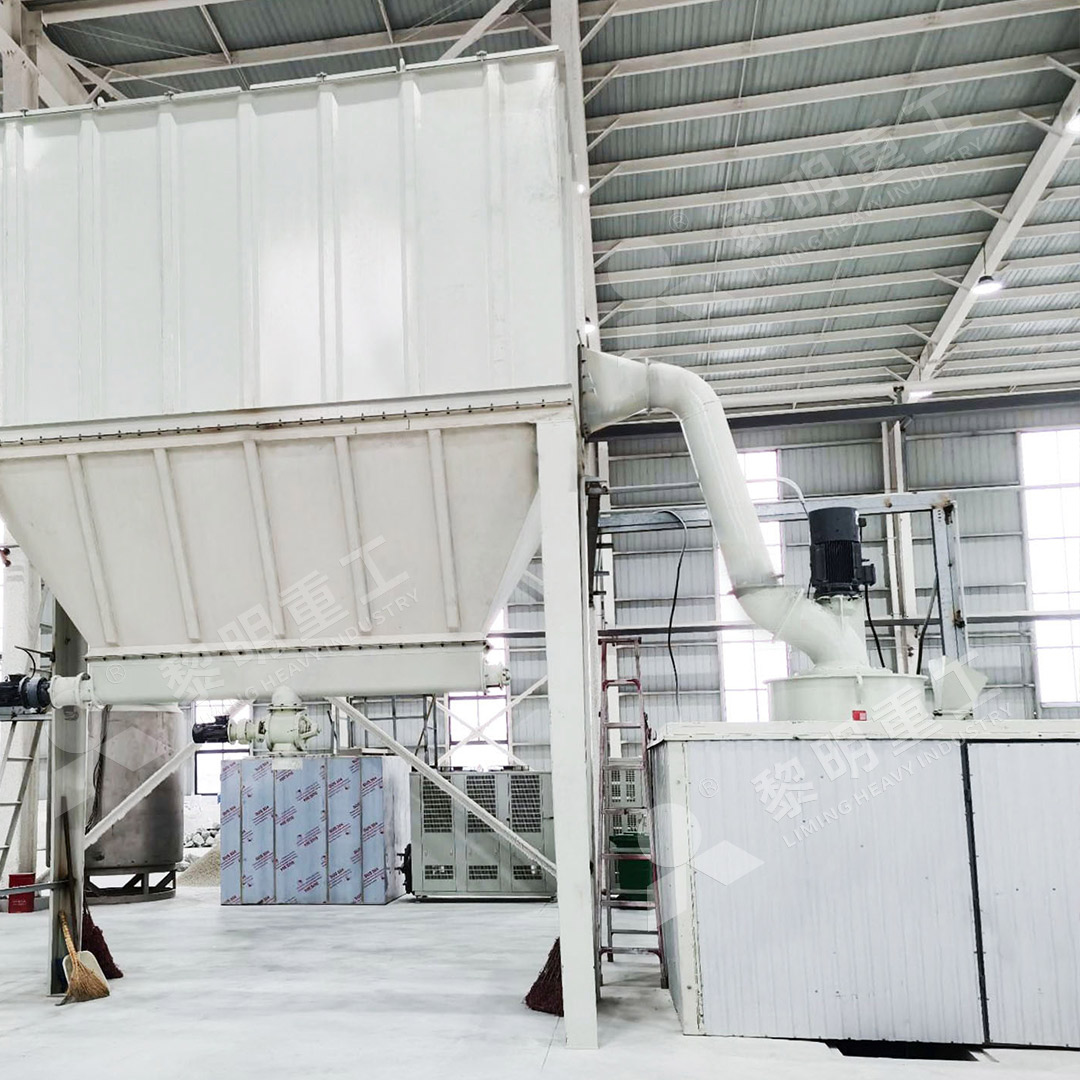
For operations looking to upgrade from a traditional ball mill for high-value calcite production, our MW Ultrafine Grinding Mill presents a superior alternative. This machine is specifically engineered for customers who need to make consistent, ultra-fine powder with minimal operational headaches.
Its standout features directly adress the shortcomings of ball mills:
- Higher Yielding, Lower Energy Consumption: With a newly designed grinding curve, its production capacity is 40% higher than jet mills and double that of ball mills, while system energy consumption is slashed by 30%.
- Adjustable Fineness (325-2500 meshes): A German-technology, cage-type powder selector allows for precise control over the final product’s particle size, achieving d97≤5μm in a single pass.
- Minimized Maintenance & Contamination: A critical design advantage is the absence of rolling bearings and screws in the grinding chamber. This eliminates fears of bearing failure or loose screws causing machine damage and drastically reduces the risk of iron contamination from worn mechanical parts.
- Eco-Friendly Operation: An efficient pulse dust collector and silencer ensure the entire milling system operates cleanly and quietly, meeting strict environmental protection standards.
Conclusion: Making the Right Choice
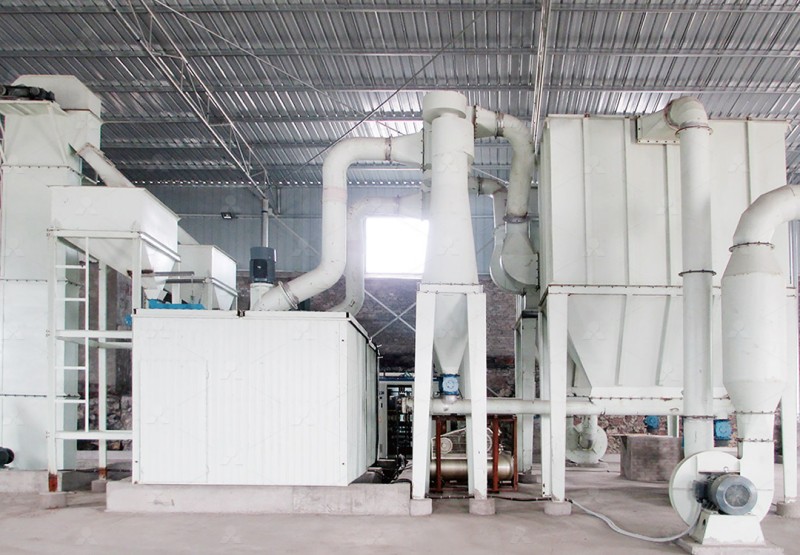
While the ball mill remains a viable option for some coarse grinding applications, the future of efficient, high-quality calcite production lies in advanced, integrated systems. The move towards technologies like our MW Series represents a shift to smarter, cleaner, and more profitable grinding operations. By focusing on higher efficiency, precise classification, and robust, low-maintenance design, these modern mills ensure your calcite products meet the most demanding specifications without compromising on operational cost or environmental responsibility.
For operations grinding calcite, the question is no longer just about size reduction; it’s about doing it intelligently. Investing in the right technology is an investment in product quality, operational stability, and long-term profitability.