
Second Hand Ball Mill for Chocolate Production: A Cost-Effective Solution
We provide a wide range of mills — including Raymond mill, trapezoidal mill, vertical mill, ultrafine mill, and ball mill, obtained ISO9001 international quality certification, EU CE certification, and Customs Union CU-TR certification. Suitable for processing minerals such as limestone, phosphate, quicklime, kaolin, talc, barite, bentonite, calcium carbonate, dolomite, coal, gypsum, clay, carbon black, slag, cement raw materials, cement clinker, and more.
The discharge range of these mills can be adjusted to meet specific processing needs, typically from 80-400 mesh, 600-3250 mesh, and can achieve the finest particle size of up to 6000 mesh(D50).
If you are looking for a reliable grinding solution to turn stone or minerals into fine powder, please feel free to contact our online customer service.
Second Hand Ball Mill for Chocolate Production: A Cost-Effective Solution
For many chocolate producers, especially startups and small to medium-sized enterprises, the initial capital investment in equipment can be a significant barrier. A second-hand ball mill presents a compelling, cost-effective entry point into high-quality chocolate production. While new machinery offers the latest features, a well-maintained used ball mill can deliver the essential refining process needed to achieve that smooth, luxurious texture consumers demand, without the hefty price tag.
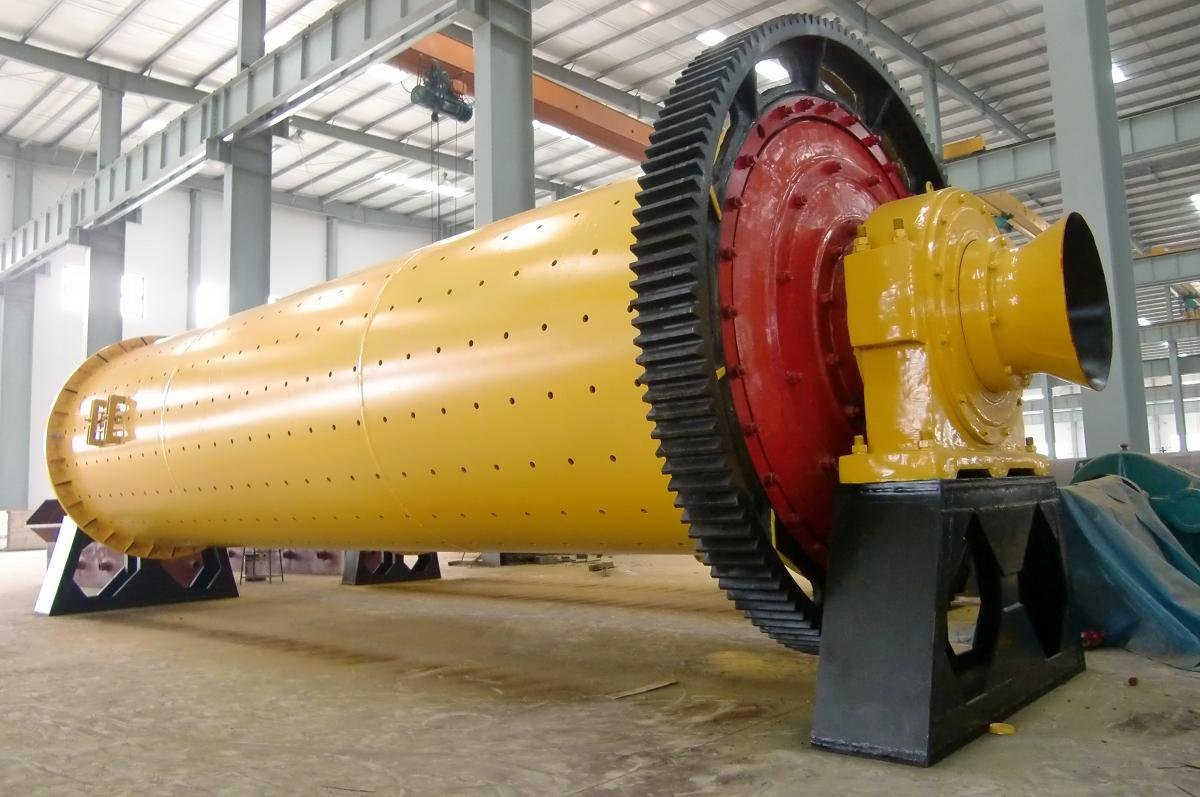
The core principle of a ball mill is relatively simple: it uses rotating cylinders filled with grinding media (like steel balls) to crush and refine materials into a fine paste. For chocolate, this process is crucial for reducing the particle size of cocoa nibs, sugar, and other ingredients, directly impacting the final product’s mouthfeel. The key is to find a used unit that has been properly maintained and is suitable for food-grade production.
Considerations When Choosing a Second-Hand Ball Mill
Venturing into the second-hand market requires diligence. Firstly, ensure the mill’s internal surfaces are made of or can be refitted with food-grade stainless steel to prevent contamination. Scrutinize the wear on grinding media and liners, as replacing these can add unexpected costs. Crucially, verify the machine’s hygiene history and ensure it can be thoroughly sanitized to meet food safety standards. It’s often wise to factor in the cost of a professional inspection and potential refurbishment into your overall budget.
When to Consider an Upgrade: The Power of Modern Milling
While a second-hand ball mill is a fantastic starting point, production growth or a need for greater efficiency and finer control might necessitate an upgrade. Modern grinding technologies offer significant advantages in energy consumption, precision, and output quality.
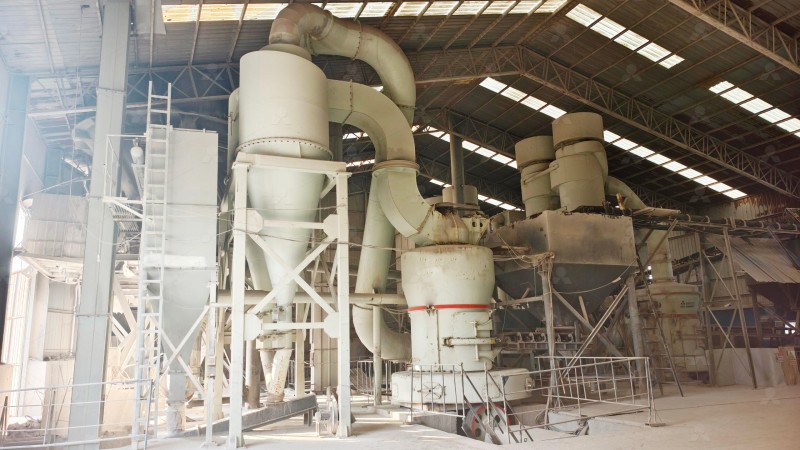
For producers looking to scale or enhance their product quality, we highly recommend considering our MW Ultrafine Grinding Mill. This machine is engineered for customers who need to make ultra-fine powder and is exceptionally well-suited for food-grade applications like chocolate production.
The MW Mill boasts features that a traditional ball mill simply cannot match:
- Higher Yielding, Lower Energy Consumption: Its newly designed grinding curves enhance efficiency, offering production capacity 40% higher than jet mills and twice that of ball mills, while using only 30% of the energy of a jet mill.
- Adjustable Fineness: With a cage-type powder selector, you can precisely adjust the fineness of your chocolate between 325-2500 meshes, achieving a perfectly smooth consistency every time (d97≤5μm).
- Hygienic and Eco-Friendly Operation: There are no rolling bearings or screws in the grinding chamber to worry about, eliminating hidden contamination risks. It’s also equipped with an efficient pulse dust collector and muffler, making the entire process cleaner and quieter.
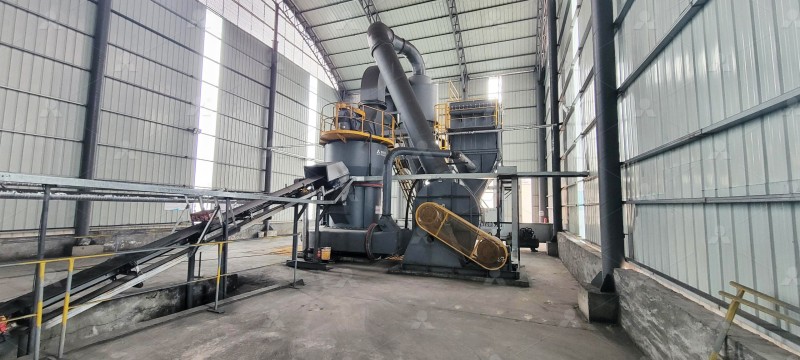
Another excellent option for advanced processing is our LUM Ultrafine Vertical Grinding Mill. It integrates grinding, grading, and transporting and is known for its higher yielding rate and better quality finished product, thanks to its unique roller shell design that improves whiteness and cleanliness—a critical factor for premium chocolate.
Conclusion
A second-hand ball mill is undeniably a smart, budget-conscious way to begin your chocolate production journey. It allows you to achieve professional results without a massive upfront investment. However, as your business evolves, investing in modern technology like our MW or LUM Ultrafine Grinding Mills can drive down operational costs, improve your product’s quality, and provide the scalability needed for growth. Weigh your immediate needs against your long-term goals to make the best equipment choice for your delicious venture.