
How to Use a Blower to Remove Moisture and Prevent Clogging in a Ball Mill
We provide a wide range of mills — including Raymond mill, trapezoidal mill, vertical mill, ultrafine mill, and ball mill, obtained ISO9001 international quality certification, EU CE certification, and Customs Union CU-TR certification. Suitable for processing minerals such as limestone, phosphate, quicklime, kaolin, talc, barite, bentonite, calcium carbonate, dolomite, coal, gypsum, clay, carbon black, slag, cement raw materials, cement clinker, and more.
The discharge range of these mills can be adjusted to meet specific processing needs, typically from 80-400 mesh, 600-3250 mesh, and can achieve the finest particle size of up to 6000 mesh(D50).
If you are looking for a reliable grinding solution to turn stone or minerals into fine powder, please feel free to contact our online customer service.
How to Use a Blower to Remove Moisture and Prevent Clogging in a Ball Mill
Hey folks, let’s talk about a real headache in mineral processing: moisture in your ball mill. Nothing grinds production to a halt faster than a clogged mill churning out a pasty, inefficient mess instead of a fine, dry powder. I’ve seen it too many times. The good news? Proper use of an air blower system is your first and best line of defense. It’s not just about blowing air; it’s about strategic moisture management.
The Enemy: Moisture and Its Consequences
When feedstock with even a slightly higher moisture content enters the grinding chamber, it sticks. It sticks to the grinding media, it sticks to the liner plates, and it builds up. This leads to a cascade of problems:
- Reduced Grinding Efficiency: The balls or rollers can’t impact the material effectively; they just slide through a slurry.
- Increased Energy Consumption: The motor works harder to turn a heavy, bogged-down charge.
- Clogging and Packing: The discharge end gets blocked, halting production entirely.
- Poor Product Quality: You end up with agglomerated clumps instead of a consistent, free-flowing powder.
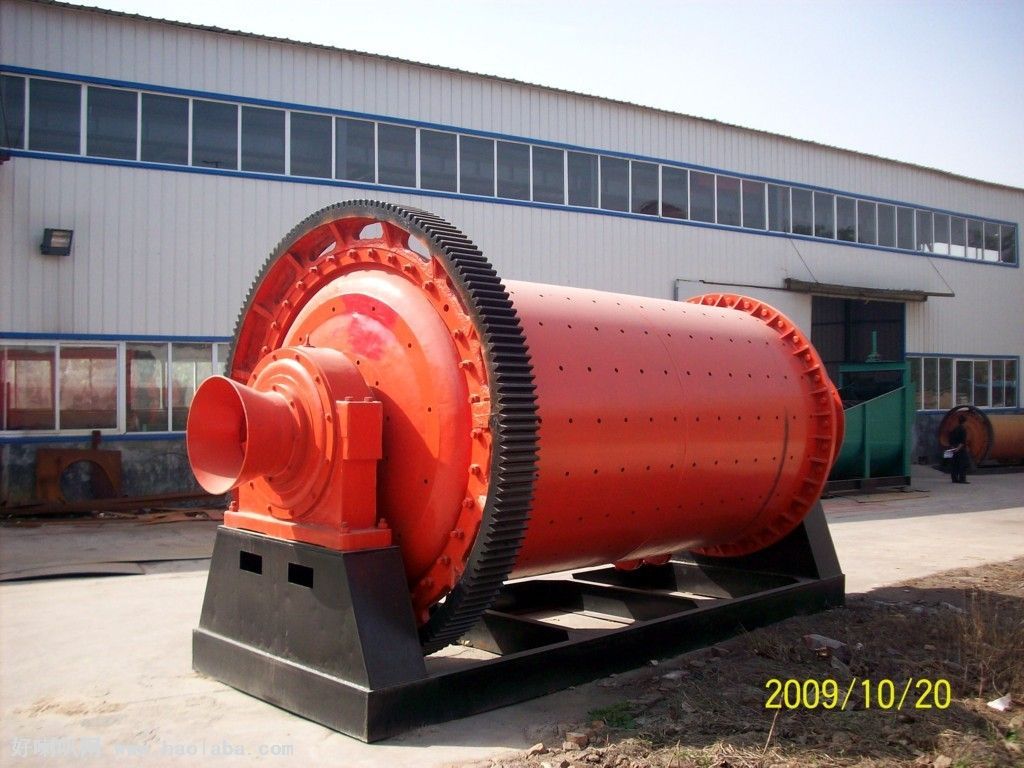
The Solution: Strategic Air Blowing
An integrated blower system acts as the lungs of your operation, providing a continuous flow of dry, often heated, air. Here’s how to use it correctly:
- Positioning is Key: The air inlet should be positioned to create a cross-flow or counter-flow current across the grinding zone, ensuring moisture-laden air is efficiently carried out towards the discharge and exhaust systems.
- Control Air Volume & Temperature: The blower’s volume (CFM) must be matched to the mill’s capacity. For particularly damp material, a source of heated air (even a simple air heater) can make a world of difference, evaporating moisture before it causes problems. Don’t just crank it to max; find the sweet spot for your material.
- Work in Tandem with Dust Collection: The blower pushes moist air out, and your dust collector (like an efficient pulse jet system) must be powerful enough to pull it and the fine product through the system. A weak collector will cause recirculation and nullify the blower’s benefits.
- Regular Maintenance: Check blower filters regularly. A clogged filter reduces airflow, rendering the system useless. Listen for changes in the blower’s sound – it can indicate a problem.
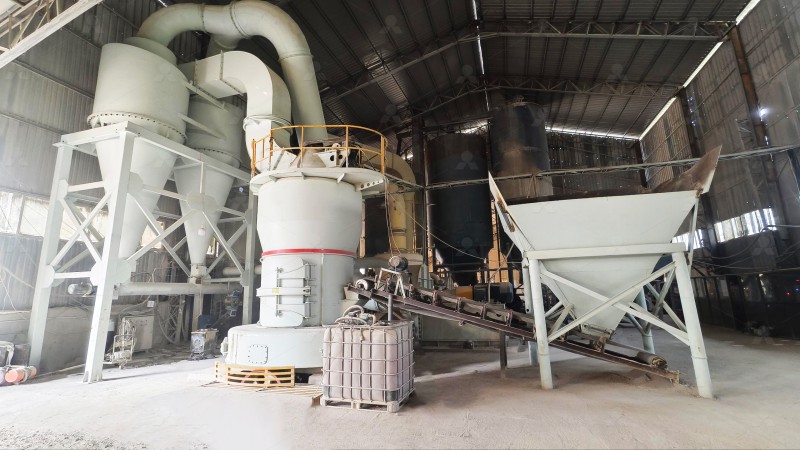
Considering an Upgrade? Modern Mills Handle Moisture Better
While a blower is essential for a ball mill, sometimes the best solution is to move to a mill designed from the ground up for efficiency and moisture handling. If you’re constantly battling humidity or processing materials with inherent moisture, you might be fighting a losing battle with older technology.
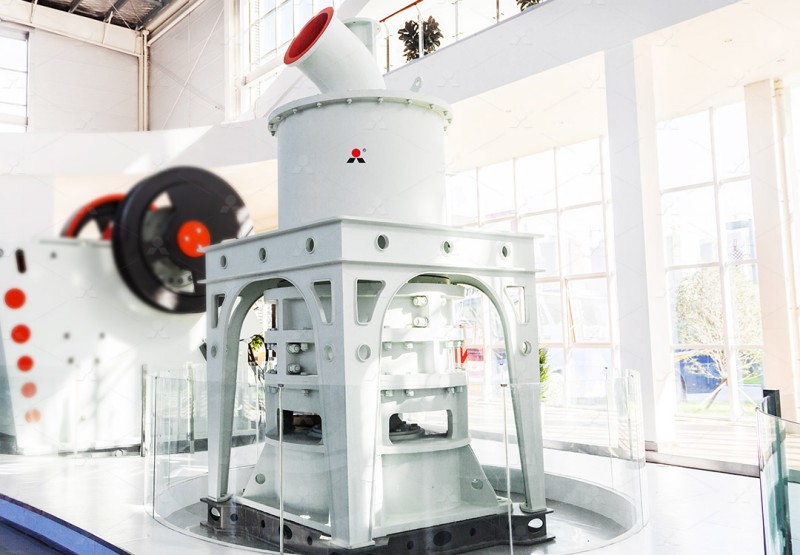
For operations looking to eliminate these issues and achieve ultra-fine powder, our MW Ultrafine Grinding Mill is a game-changer. It integrates drying, grinding, and classifying in a single, compact unit. Its internal airflow is engineered to efficiently remove moisture during the grinding process, virtally eliminating the risk of clogging. With a capacity of 0.5-25 tph and the ability to handle feed up to 20mm, it’s designed for higher yield and lower energy consumption than traditional ball mills, especially when moisture is a concern.
Another exceptional choice for fine, dry grinding is the LUM Ultrafine Vertical Grinding Mill. Its vertical design and unique grinding curve naturally promote better material flow and air sweeping, preventing material buildup. The PLC-controlled multi-head powder separating technology allows for precise control over the entire process, ensuring dry, consistently fine product.
Conclusion
Don’t let moisture shut you down. A properly sized and maintained blower system is critical for keeping a ball mill running smoothly. But if you find yourself constantly on the defensive, it might be time to invest in technology that tackles the problem at its source. Whether you optimize your current setup or upgrade to a more advanced system, controlling moisture is fundamental to maximizing productivity and product quality.
Stay grinding,
The LIMING Team