
Different Types of Mechanical Mills: A Comprehensive Guide for Industrial Grinding
We provide a wide range of mills — including Raymond mill, trapezoidal mill, vertical mill, ultrafine mill, and ball mill, obtained ISO9001 international quality certification, EU CE certification, and Customs Union CU-TR certification. Suitable for processing minerals such as limestone, phosphate, quicklime, kaolin, talc, barite, bentonite, calcium carbonate, dolomite, coal, gypsum, clay, carbon black, slag, cement raw materials, cement clinker, and more.
The discharge range of these mills can be adjusted to meet specific processing needs, typically from 80-400 mesh, 600-3250 mesh, and can achieve the finest particle size of up to 6000 mesh(D50).
If you are looking for a reliable grinding solution to turn stone or minerals into fine powder, please feel free to contact our online customer service.
Introduction
Industrial grinding mills are essential equipment in various sectors, including mining, construction, and chemical processing. These machines are designed to reduce raw materials into fine powders or particles, enabling further processing or direct application. This guide explores different types of mechanical mills, their applications, and key features to help you choose the right equipment for your needs.
1. Ball Mills
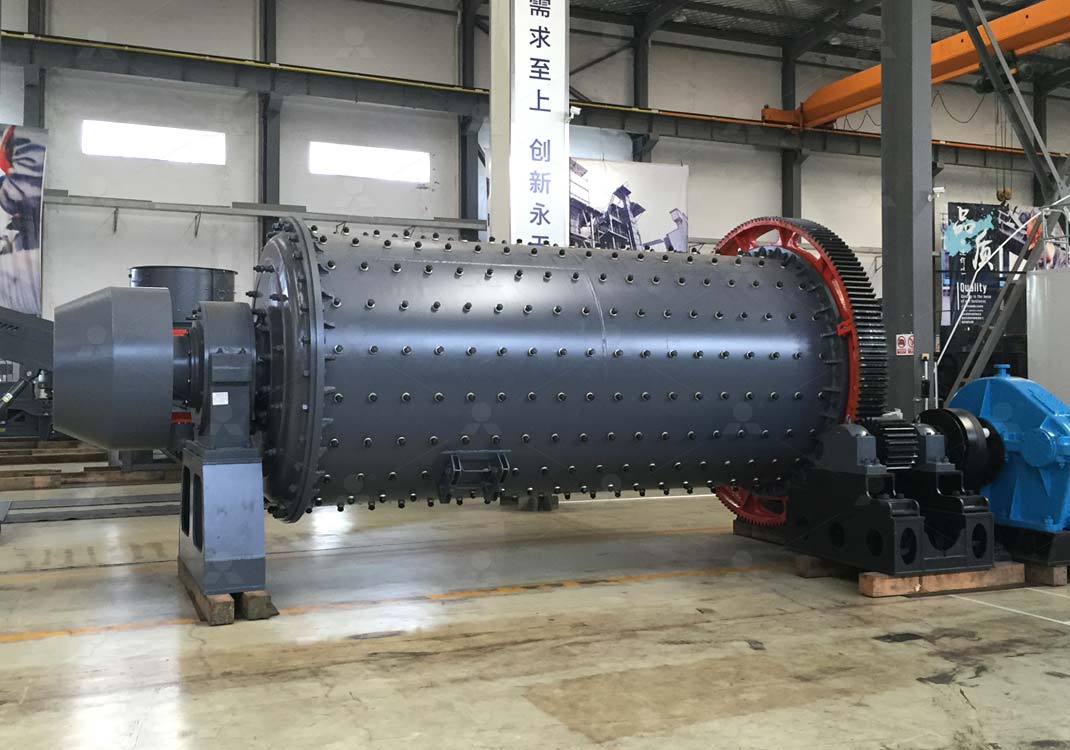
Ball mills are among the most common grinding equipment, widely used in cement, coal, and mineral processing industries. They consist of a rotating cylinder filled with grinding media (usually steel balls). The material is fed into the cylinder and ground by the impact and friction of the balls.
2. Raymond Mills
Raymond mills are first-generation grinding mills known for their compact design and low energy consumption. They are particularly suitable for small to medium-scale operations in desulfurization and non-metallic ore milling.
3. Vertical Roller Mills (VRM)
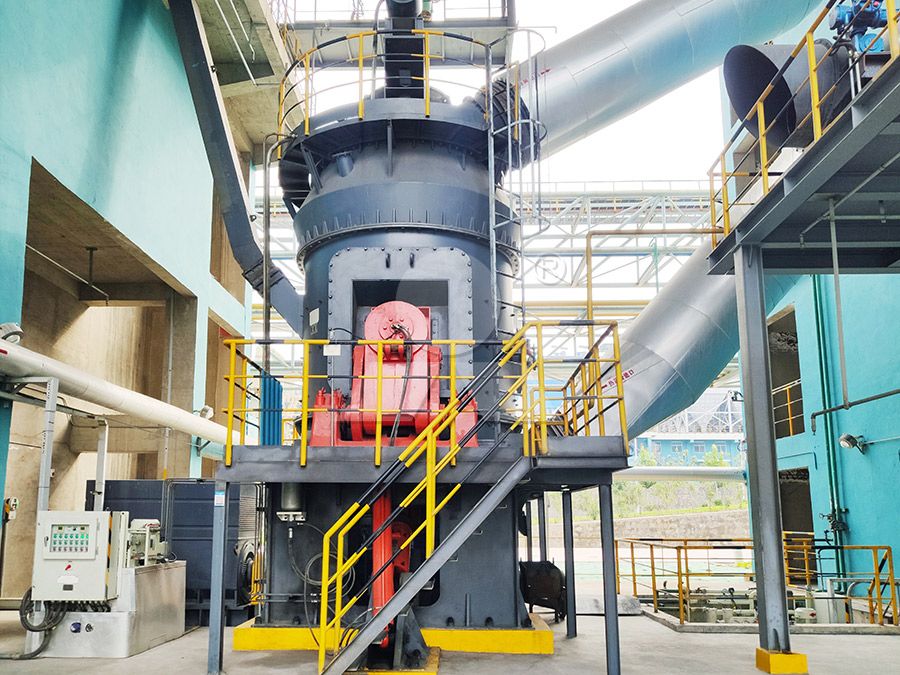
Vertical roller mills, such as the LM Vertical Grinding Mill, integrate crushing, drying, grinding, and classifying into a single unit. They are highly efficient, with energy savings of 30%-40% compared to traditional ball mills. VRMs are ideal for processing non-metallic minerals, coal, and slag.
4. Ultrafine Grinding Mills
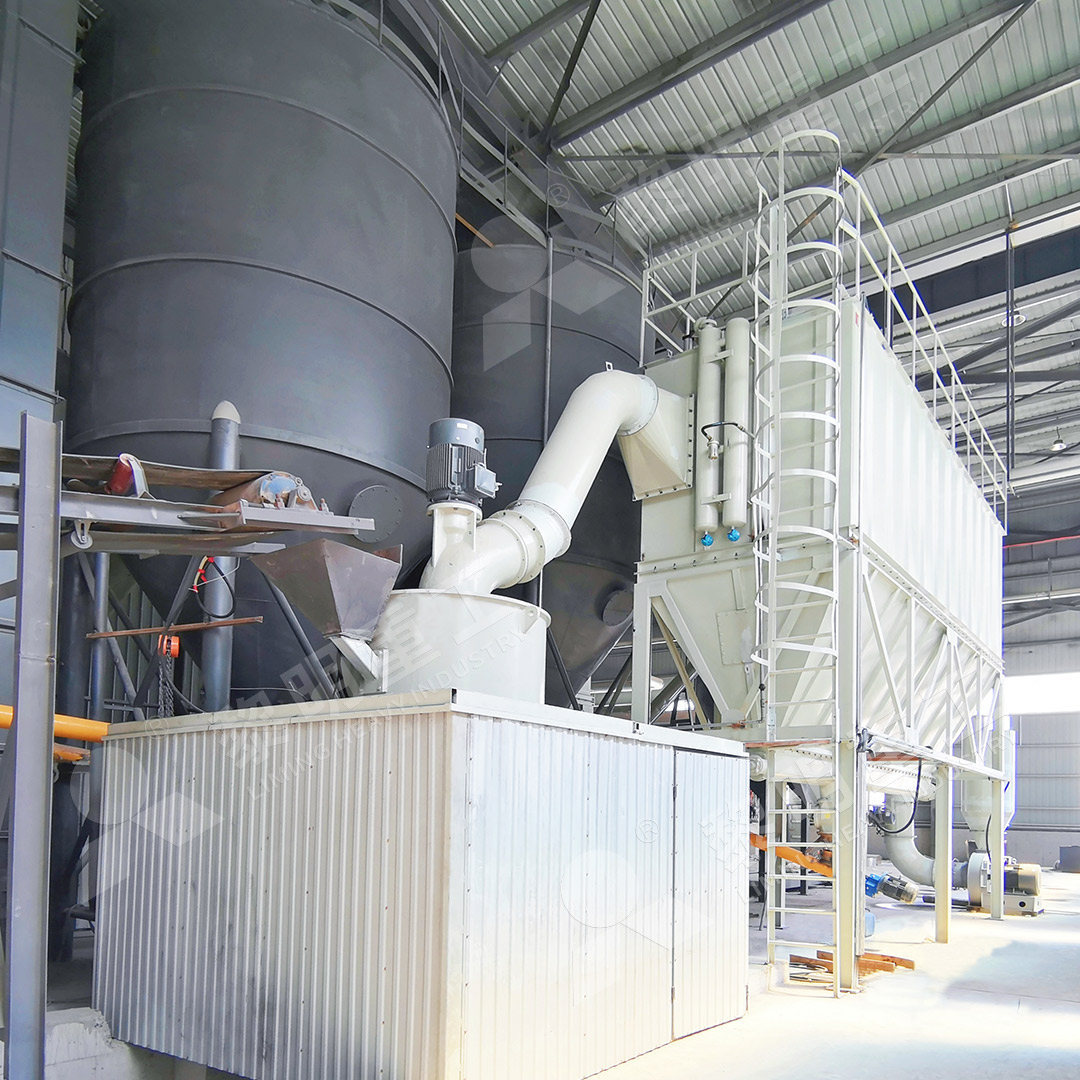
For applications requiring ultra-fine powders, ultrafine grinding mills like the MW Ultrafine Grinding Mill are the perfect choice. This mill is designed to produce powders with fineness ranging from 325 to 2500 meshes. It features higher yielding rates, lower energy consumption, and eco-friendly operation with efficient dust collection.
Key Features of MW Ultrafine Grinding Mill:
- Higher yielding with 40% more capacity than jet mills
- Adjustable fineness between 325-2500 meshes
- No rolling bearings or screws in the grinding chamber
- Pulse dust collector for eco-friendly operation
5. European Trapezium Mills
MTW and MTW-Z European Trapezium Mills are advanced grinding solutions with features like dilute oil lubrication and elastic volute damping structures. These mills are suitable for processing materials like feldspar, calcite, and gypsum, offering high efficiency and low maintenance costs.
Conclusion
Choosing the right grinding mill depends on your material type, desired fineness, and production capacity. For ultra-fine grinding applications, the MW Ultrafine Grinding Mill stands out with its high efficiency and environmental benefits. Meanwhile, vertical roller mills like the LM Vertical Grinding Mill offer integrated solutions for large-scale operations. Evaluate your needs carefully to select the best equipment for your industrial grinding requirements.