
Essential Guide to Limestone Grinding Mill Maintenance and Repair
We provide a wide range of mills — including Raymond mill, trapezoidal mill, vertical mill, ultrafine mill, and ball mill, obtained ISO9001 international quality certification, EU CE certification, and Customs Union CU-TR certification. Suitable for processing minerals such as limestone, phosphate, quicklime, kaolin, talc, barite, bentonite, calcium carbonate, dolomite, coal, gypsum, clay, carbon black, slag, cement raw materials, cement clinker, and more.
The discharge range of these mills can be adjusted to meet specific processing needs, typically from 80-400 mesh, 600-3250 mesh, and can achieve the finest particle size of up to 6000 mesh(D50).
If you are looking for a reliable grinding solution to turn stone or minerals into fine powder, please feel free to contact our online customer service.
Essential Guide to Limestone Grinding Mill Maintenance and Repair
Maintaining your limestone grinding mill isn’t just about fixing problems when they arise; it’s about proactive care to ensure maximum uptime, consistent product quality, and long-term operational efficiency. Neglecting routine maintenance can lead to costly downtime, reduced output, and premature wear of critical components. This guide outlines key maintenance and repair practices to keep your operation running smoothly.
Daily and Weekly Checks: The First Line of Defense
Consistent visual and operational checks are crucial. Before and after each shift, operators should:
- Listen for unusual noises: Squealing, grinding, or knocking sounds often indicate misalignment, lack of lubrication, or bearing failure.
- Check for vibrations: Excessive vibration can signal an unbalanced grinding roller, worn-out components, or foundation issues.
- Monitor lubrication systems: Ensure automatic lubricators are full and functioning. Check for leaks around bearings and gearboxes.
- Inspect drive belts and couplings: Look for signs of wear, cracking, or improper tension.
- Verify air flow and pressure: For mills with integrated classifiers and dust collectors, ensure there are no blockages and that fan pressures are within spec.
Common Wear Parts and Their Lifespan
The grinding elements bear the brunt of the abrasion. Understanding their lifespan helps in planning spare parts inventory.
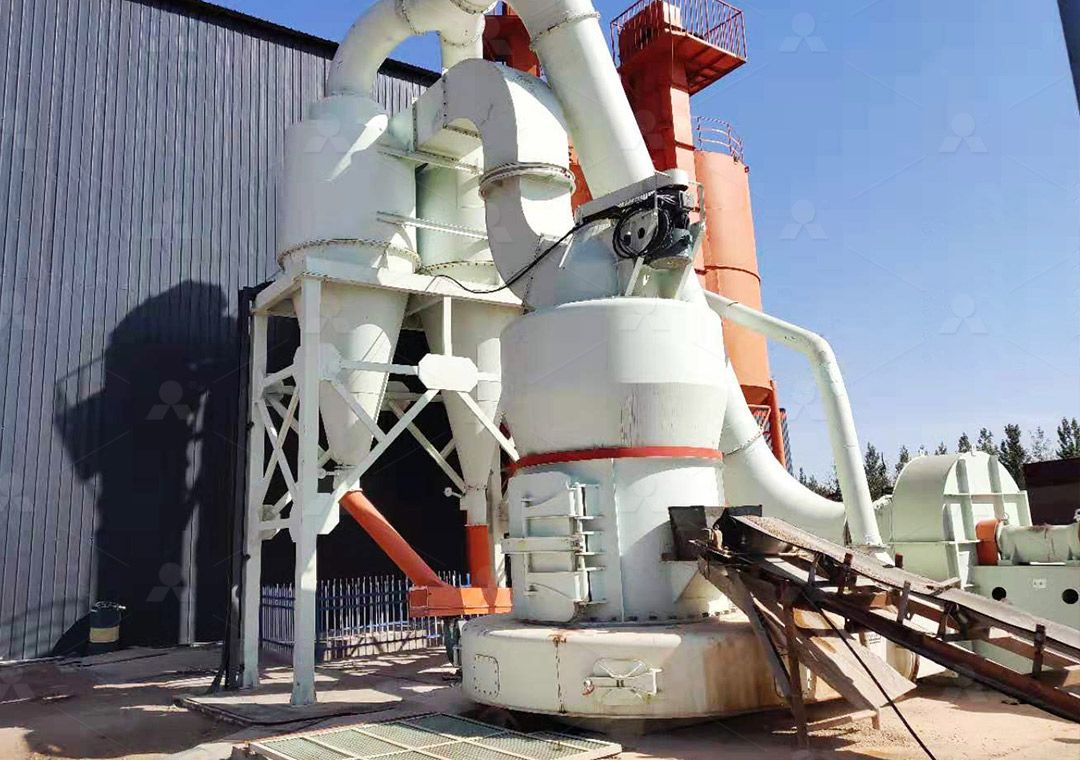
- Grinding Rolls/Rings: Depending on material hardness and throughput, these may need refurbishment or replacement every 6-18 months.
- Liners: Chamber and classifier liners protect the mill’s body from wear. Inspect for thinning or cracks regularly.
- Classifier Blades/Vanes: Worn blades will affect product fineness. Check alignment and integrity quarterly.
- Filter Bags: In pulse-jet dust collectors, bags should be inspected for tears or clogging every few months.
Scheduled Maintenance: Avoiding Catastrophic Failure
Beyond daily checks, a formal maintenance schedule is essential.
- Monthly: Thoroughly clean the mill interior and classifier. Check all electrical connections for tightness. Calibration of pressure sensors and flow meters.
- Quarterly: Complete lubrication system flush and refill. Inspect motor and reducer alignment. Check hydraulic system pressures (if applicable).
- Annually/Bi-Annually: This is a major shutdown period. Plan for a comprehensive inspection of all internal components, including bearing clearance checks, gear inspection, and structural integrity verification.
Upgrading for Reliability and Performance
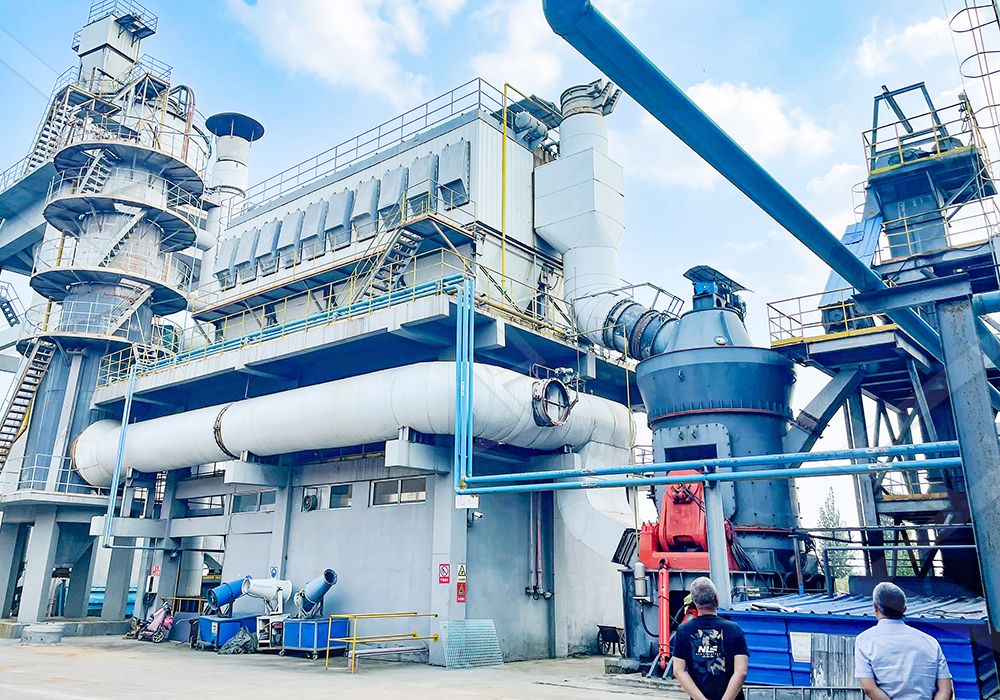
Sometimes, the best repair is an upgrade. Older mills can often be retrofitted with modern systems to improve efficiency and reduce maintenance headaches. For new installations or replacements, selecting a mill designed for easy maintenance is paramount.
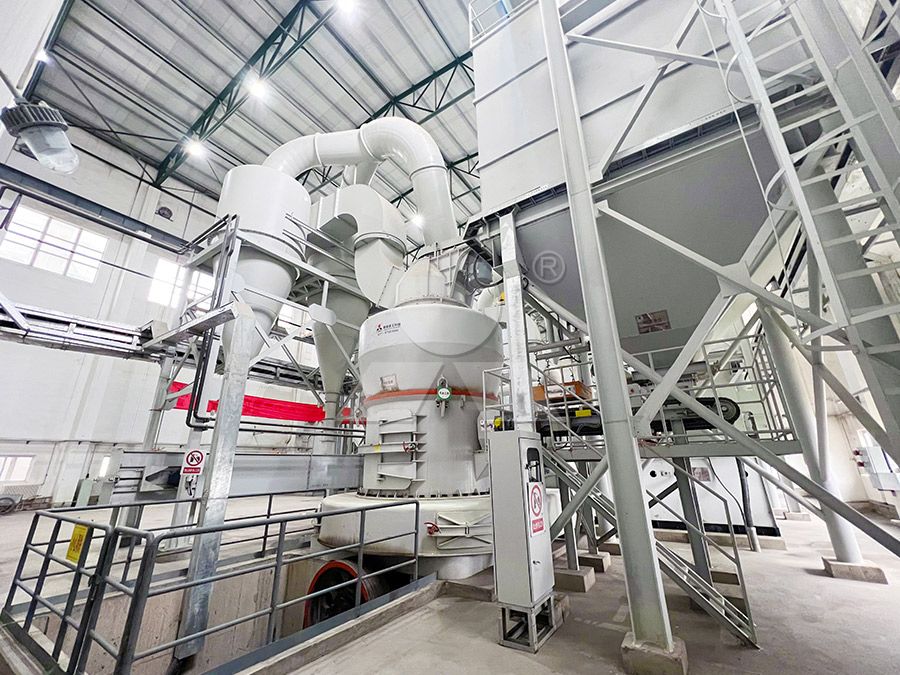
For operations focused on ultra-fine limestone powder (325-2500 meshes), the MW Ultrafine Grinding Mill is an exceptional choice. Its design philosophy directly adresses common maintenance pain points. A key feature is the absence of rolling bearings and screws in the grinding chamber. This brilliant design eleminates the most common causes of mechanical failure—bearing seizures and loose fasteners damaging other components. Furthermore, its external lubricating device allows for lubrication without shutdown, enabling continuous 24/7 production and significantly extending bearing life. Paired with its efficient pulse dust collector, it not only ensures a cleaner operation but also protects downstream equipment from abrasive dust.
Troubleshooting Common Issues
- Low Output: Often caused by worn grinding elements, low grinding pressure, or a clogged classifier. Check and replace rolls/rings, verify hydraulic pressures, and inspect the classifier.
- Poor Product Fineness: Usually related to classifier speed or worn classifier components. Adjust speed settings and inspect blades/rotors for wear.
- Overheating Bearings: Caused by overloading, inadequate lubrication, or bearing failure. Check lubrication levels and quality first, then inspect for bearing play or damage.
- Excessive Vibration: Imbalance from uneven wear of grinding rolls, material buildup, or foundation issues. Rebalance or replace rolls, clean the mill thoroughly, and check anchor bolts.
Conclusion: A Stitch in Time Saves Nine
A disciplined, proactive approach to limestone grinding mill maintenance is a direct investment in your operation’s profitability. By adhering to a strict schedule of inspection, lubrication, and part replacement, you can avoid the massive costs associated with unplanned downtime and major repairs. Choosing robust equipment designed with maintenance in mind, like the MW Ultrafine Grinding Mill, provides a solid foundation for a reliable and efficient processing line for years to come.